
Panduan lapangan hewan
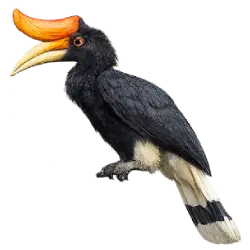
Rhinoceros Hornbill
Identifikasi, habitat, rarity, perilaku, simbolisme, fakta, dan pelajaran praktis dari alam.
The Helmet-Beak Forest Flyer. The Rhinoceros Hornbill uses a giant curved bill and bright casque to fly through rainforest with thunderous wingbeats. It reminds us that a dramatic shape can still do practical work.
Kartu AnimalDex
Buka kartu hewan ini
Pindai atau tangkap hewan ini dengan AnimalDex untuk membuka kartu koleksi dan menambahkannya ke koleksi satwa liarmu.
Dapatkan AnimalDexNama ilmiah
Buceros rhinoceros
Kategori
Bird
Habitat
Primary and mature secondary tropical forest with large fruiting trees and cavity-bearing giants.
Rarity
Rare · 79/100
Native range
Borneo, Sumatra, the Malay Peninsula, and parts of southern Thailand.
Casque Presence
Carry the casque.
Helmet-Bill Rainforest Flight
Apa yang diajarkannya
A dramatic form has purpose when it carries sound, fruit, and lineage through the forest.
Coba
A leader is remembered because their voice carries care and confidence.
Bukti alam
Rhinoceros Hornbills have large bills with prominent casques, loud calls, strong wingbeats, and important roles in rainforest fruit dispersal.
Gunakan untuk
Tangkapan Rhinoceros Hornbill berperingkat
Belum ada tangkapan komunitas berperingkat untuk spesies ini.
Mengapa Casque Presence?
Alasan di balik Prinsip Hewan ini dan biologi yang mendukungnya.
The rhinoceros hornbill is a large Southeast Asian forest bird known for its heavy casque, strong pair bonds, and dependence on old trees for nesting.
Cara mengidentifikasi Rhinoceros Hornbill
- Large black-and-white body with heavy red-orange bill and casque
- White tail with bold black band
- Powerful wingbeats producing audible whooshing in flight
Kenapa Rhinoceros Hornbill menarik
- The species combines unforgettable flight sound, shape, and breeding behavior.
- It is one of the strongest symbols of Southeast Asian old-growth forest integrity.
Habitat: Primary and mature secondary tropical forest with large fruiting trees and cavity-bearing giants.
Native range: Borneo, Sumatra, the Malay Peninsula, and parts of southern Thailand.
nativeRangeCardTitle
nativeRangeCardDescription
nativeRangeMissingAssets
Primary and mature secondary tropical forest with large fruiting trees and cavity-bearing giants.
To find Rhinoceros Hornbill in the wild, focus on the exact habitat patches that match its body design and daily behavior, not just the broad country where it exists. You usually do better by working one good piece of habitat inside borneo, Sumatra, the Malay Peninsula, and parts of southern Thailand. than by covering too much ground.
- Forest edge, canopy gaps, fruiting trees, or shaded trails where cover and food meet
- Protected habitat blocks within borneo, Sumatra, the Malay Peninsula, and parts of southern Thailand.
- Start early, pick one strong patch of habitat, and stay long enough for movement to return after you arrive.
- Work edges, clearings, fruiting trees, and stream crossings rather than walking randomly through dense cover.
- Use sound, flight lines, and perch trees as clues; birds often reveal themselves before they sit in the open.
Rhinoceros Hornbill feeds on figs, fruit, insects, and small animals. The diet fits the lesson because its food is not random; it is reached by the same tools and habits that define the animal’s principle.
Predators and threats include large raptors, snakes, nest raiders, and deforestation threaten them. Those pressures matter because Casque Presence is not just a look; it is tested whenever the animal must avoid danger, protect young, or keep moving.
Rhinoceros Hornbill is diurnal, flying and calling through the canopy. This rhythm matters because the animal’s lesson works on a schedule, repeating the same survival pattern until it becomes natural.
Rhinoceros Hornbill can live for decades. Its lifespan gives the principle time to matter: small habits, strong design, and careful timing compound across seasons.
female seals herself in a tree cavity while male delivers food. This offspring pattern connects to the lesson because the next generation begins inside the same habitat pressures that shaped the adults.
males have stronger casque coloration and females differ around the eyes. The difference matters only where it changes display, size, care, or competition; the core principle still belongs to the species as a whole.
- Feeds widely on fruit but also takes small animals opportunistically
- Uses large tree cavities where females seal themselves in during nesting
- Travels long distances between fruiting trees
Rhinoceros Hornbill most often symbolizes casque presence in AnimalDex because its real survival behavior repeatedly shows this pattern.
A dramatic form has purpose when it carries sound, fruit, and lineage through the forest.
Rhinoceros Hornbills have large bills with prominent casques, loud calls, strong wingbeats, and important roles in rainforest fruit dispersal.
- Keep away from known nest trees and fruiting figs used repeatedly by flocks.
- Use early morning canopy vantage points rather than walking under active feeding trees.
- Great hornbill
- Wreathed hornbill
- Helmeted hornbill silhouette
statsTitle
statsDescription
statsSourceLabel: statsSourceSpeciesProfile
dominanceStat
51
speedStat
59
sizeStat
34
intelligenceStat
44
rarityStat
79%
Total
267
Size scale
Medium
Uses the canonical size stat for consistent placement






US$224 – US$466
Perkiraan rentang nilai
Kepercayaan 69%
Perkiraan nilai AnimalDex dibuat dari stat spesies kanonik.
Not a marketplace listing.
Perkiraan nilai berdasarkan hewan yang teridentifikasi dan konteks harga yang tersedia. Bukan daftar marketplace.
Seberapa langka Rhinoceros Hornbill?
Rarity: Rare (79/100)
Hornbills need intact forest and large nest trees, both of which are heavily reduced in many areas.
Systems Intelligence & Hidden Purpose
Sudut pandang systems biology untuk melihat bagaimana spesies ini dibangun, peran apa yang dijalankannya di ekosistem, dan pelajaran praktis apa yang bisa dipetik manusia.
System Role
The Old-Growth Courier
Rhinoceros Hornbill
Specialized Hardware
A heavy fruit-handling bill, strong flight, and dependence on giant cavity trees make rhinoceros hornbills distribution hardware for mature tropical forest.
Systems Script
Hornbills move seeds across large canopy distances and tie reproduction directly to old trees. They are part courier network, part forest continuity alarm.
Strategic Insight
Do not separate logistics from infrastructure. If the nesting platform disappears, the delivery system goes with it.
Public Animal Power
Explore this Animal Power
This is a public capture, so you can explore its Animal Power here. Personal Apex matches and challenges use your Wild Profile and animals you own.
Own an animal with this power to use it in Growth challenges.
Hewan terkait
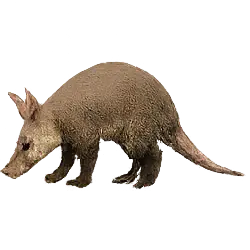
Aardvark
The aardvark is a nocturnal African mammal known for its long snout, strong digging…
Baca panduan spesies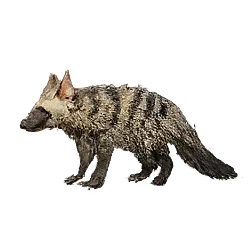
Aardwolf
The aardwolf is a small striped relative of hyenas that feeds mainly on termites rather…
Baca panduan spesies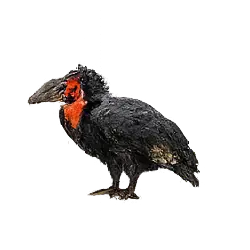
Abyssinian Ground Hornbill
Abyssinian Ground Hornbill is a bird known for bare red facial skin, huge…
Baca panduan spesiesLebih banyak hewan dengan kekuatan Identity
Jelajahi semua hewan Identity
Bawa ensiklopedia ke dunia nyata
AnimalDex membantumu memindai hewan nyata, mengidentifikasi spesies, mengoleksi kartu, dan belajar dari alam di mana pun kamu berada.
Comparisons terkait
Lihat bagaimana spesies ini tampil di halaman perbandingan AnimalDex yang terstruktur.
Rhinoceros Hornbill vs Toco Toucan: Which Bill Specialist Has the Edge?
Rhinoceros hornbill usually has the stronger overall edge because it is larger, heavier, and built for more forceful canopy movement. Toco toucan has an exceptional bill, but it is not the same kind of heavy forest bird.
Baca halaman comparisonScarlet Macaw vs Rhinoceros Hornbill: Which Tropical Bird Has the Stronger Edge?
Rhinoceros hornbill usually has the stronger physical edge because of size and body authority. Scarlet macaw remains highly capable thanks to climbing control and a powerful hooked bill at close range.
Baca halaman comparison