
Panduan lapangan hewan
Ring-tailed Lemur
Identifikasi, habitat, rarity, perilaku, simbolisme, fakta, dan pelajaran praktis dari alam.
The Stripe-Tail Sun Sitter. The Ring-tailed Lemur uses a bold striped tail and sunny lounging habits to live in groups on dry Madagascar ground. It reminds us that strong style can travel with strong family bonds.
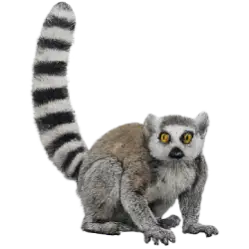
Kartu AnimalDex
Buka kartu hewan ini
Pindai atau tangkap hewan ini dengan AnimalDex untuk membuka kartu koleksi dan menambahkannya ke koleksi satwa liarmu.
Dapatkan AnimalDexNama ilmiah
Lemur catta
Kategori
Mammal
Habitat
Dry forest, gallery forest, scrub, and spiny woodland.
Rarity
Rare · 78/100
Native range
Southern and southwestern Madagascar.
Kinship
Sit in the sun together.
Sun-Basking Troop Bonds
Apa yang diajarkannya
Warmth becomes stronger when the whole group sits inside it.
Coba
A family feels close when everyone helps cook one shared meal.
Bukti alam
Ring-tailed Lemurs live in social groups, use scent marking and visual signals, and often sun themselves upright with bellies exposed to warm after cool nights.
Gunakan untuk
Tangkapan Ring-tailed Lemur berperingkat
Belum ada tangkapan komunitas berperingkat untuk spesies ini.
Mengapa Kinship?
Alasan di balik Prinsip Hewan ini dan biologi yang mendukungnya.
Ring-tailed lemurs are ground-using Malagasy primates recognized for striped tails, social groups, and heavy reliance on scent and sunning behavior.
Cara mengidentifikasi Ring-tailed Lemur
- Grey body with white face and black eye patches
- Long black-and-white ringed tail often carried upright
- Frequent ground travel compared with many other lemurs
Kenapa Ring-tailed Lemur menarik
- Ring-tailed lemurs are excellent introductions to the distinct primate radiation of Madagascar.
- Their social signaling is visible enough to reward careful behavioral watching.
Habitat: Dry forest, gallery forest, scrub, and spiny woodland.
Native range: Southern and southwestern Madagascar.
nativeRangeCardTitle
nativeRangeCardDescription
Dry forest, gallery forest, scrub, and spiny woodland.
To find Ring-tailed Lemur in the wild, focus on the exact habitat patches that match its body design and daily behavior, not just the broad country where it exists. You usually do better by working one good piece of habitat inside southern and southwestern Madagascar. than by covering too much ground.
- Forest edge, canopy gaps, fruiting trees, or shaded trails where cover and food meet
- Sunlit logs, exposed branches, warm rocks, or regular perch sites used for scanning
- Protected habitat blocks within southern and southwestern Madagascar.
- Early sun and calm weather usually give the best chance of seeing normal basking, perched, or soaring behavior.
- Work edges, clearings, fruiting trees, and stream crossings rather than walking randomly through dense cover.
- Move quietly, stop often, and give the habitat time to settle; many mammals and insects show themselves only after the first pause.
Ring-tailed Lemur feeds on fruit, leaves, flowers, bark, sap, and occasional insects. The diet supports Kinship because the animal is not just eating available food; it is using the food source that makes its principle practical in its own world.
Day-active, sleeping in groups and warming after cool nights, so shared heat becomes a daily ritual rather than just comfort.
Often 15 to 20 years in the wild; Kinship becomes a long practice of scent, sun, grooming, and troop memory.
Females usually give birth to a single infant carried on belly then back, making kinship physical before it becomes social.
Females are socially dominant in many troops, so the group’s warmth is organized around female authority and family continuity.
- Lives in social groups with frequent scent communication
- Uses sun-basking posture to warm up in cool mornings
- Feeds on fruit, leaves, flowers, and seasonal fallback foods
Ring-tailed Lemur most often symbolizes kinship in AnimalDex because its real survival behavior repeatedly shows this pattern.
Warmth becomes stronger when the whole group sits inside it.
Ring-tailed Lemurs live in social groups, use scent marking and visual signals, and often sun themselves upright with bellies exposed to warm after cool nights.
- Keep distance even around habituated groups to avoid altering foraging behavior.
- Never feed lemurs at tourist sites.
- Other lemur species
- Large mongoose at distance
- Striped domestic cat tail in poor photos
statsTitle
statsDescription
statsSourceLabel: statsSourceSpeciesProfile
dominanceStat
57
speedStat
48
sizeStat
37
intelligenceStat
83
rarityStat
78%
Total
303
Size scale
Medium
Uses the canonical size stat for consistent placement

US$253 – US$525
Perkiraan rentang nilai
Kepercayaan 69%
Perkiraan nilai AnimalDex dibuat dari stat spesies kanonik.
Not a marketplace listing.
Perkiraan nilai berdasarkan hewan yang teridentifikasi dan konteks harga yang tersedia. Bukan daftar marketplace.
Seberapa langka Ring-tailed Lemur?
Rarity: Rare (78/100)
The species is highly recognizable but remains under pressure from habitat loss, hunting, and fragmentation in Madagascar.
Systems Intelligence & Hidden Purpose
Sudut pandang systems biology untuk melihat bagaimana spesies ini dibangun, peran apa yang dijalankannya di ekosistem, dan pelajaran praktis apa yang bisa dipetik manusia.
System Role
The Scent-Driven Social Router
Ring-tailed Lemur
Specialized Hardware
Long balancing tail, strong group awareness, and heavy reliance on scent communication make ring-tailed lemurs robust dry-forest social hardware.
Systems Script
They move seeds, browse selectively, and maintain social traffic through patchy Madagascar habitats. Their behavior keeps fragmented dry forest from functioning like isolated scraps.
Strategic Insight
When visibility is limited or conditions are patchy, durable communication keeps groups from dissolving into guesswork.
Public Animal Power
Explore this Animal Power
This is a public capture, so you can explore its Animal Power here. Personal Apex matches and challenges use your Wild Profile and animals you own.
Own an animal with this power to use it in Growth challenges.
Hewan terkait
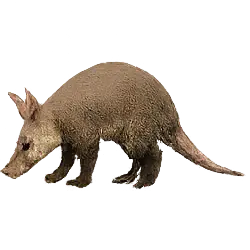
Aardvark
The aardvark is a nocturnal African mammal known for its long snout, strong digging…
Baca panduan spesies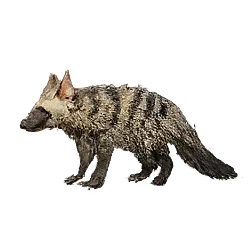
Aardwolf
The aardwolf is a small striped relative of hyenas that feeds mainly on termites rather…
Baca panduan spesies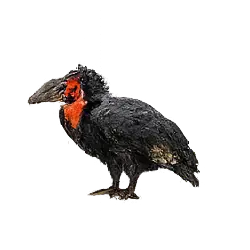
Abyssinian Ground Hornbill
Abyssinian Ground Hornbill is a bird known for bare red facial skin, huge…
Baca panduan spesiesLebih banyak hewan dengan kekuatan Family Bonds
Jelajahi semua hewan Family Bonds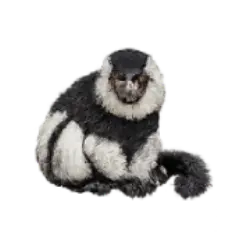
Black-and-white Ruffed Lemur
Black-and-white Ruffed Lemur is a mammal known for black-and-white shaggy coat, loud…
Baca panduan spesies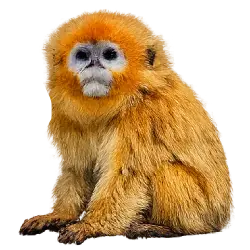
Golden Snub-nosed Monkey
Golden Snub-nosed Monkey is a mammal known for blue face with upturned nose, thick…
Baca panduan spesies
Western Lowland Gorilla
The western lowland gorilla is a large forest ape recognized by its great strength,…
Baca panduan spesiesBawa ensiklopedia ke dunia nyata
AnimalDex membantumu memindai hewan nyata, mengidentifikasi spesies, mengoleksi kartu, dan belajar dari alam di mana pun kamu berada.