
Panduan lapangan hewan
Scalloped Hammerhead
Identifikasi, habitat, rarity, perilaku, simbolisme, fakta, dan pelajaran praktis dari alam.
The Wide-Head Sea Scout. The Scalloped Hammerhead uses its broad hammer-shaped head to sense and turn through the sea with unusual control. It reminds us that a strange shape can change how we read the world.
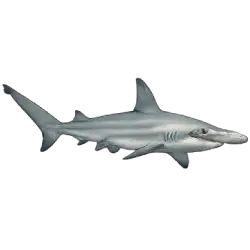
Kartu AnimalDex
Buka kartu hewan ini
Pindai atau tangkap hewan ini dengan AnimalDex untuk membuka kartu koleksi dan menambahkannya ke koleksi satwa liarmu.
Dapatkan AnimalDexNama ilmiah
Sphyrna lewini
Kategori
Marine fish
Habitat
Coastal shelves, seamounts, oceanic islands, estuaries, and warm offshore waters.
Rarity
Rare · 78/100
Native range
Tropical and warm temperate oceans worldwide.
Wide Sensing
Feel wide.
Hammerhead Electroreception
Apa yang diajarkannya
A strange shape can widen what the world allows you to feel.
Coba
A parent notices trouble early by watching tone, face, and silence together.
Bukti alam
Scalloped Hammerheads have broad cephalofoils that support electroreception, maneuvering, and sensory scanning while schooling and hunting in the ocean.
Gunakan untuk
Tangkapan Scalloped Hammerhead berperingkat
Belum ada tangkapan komunitas berperingkat untuk spesies ini.
Mengapa Wide Sensing?
Alasan di balik Prinsip Hewan ini dan biologi yang mendukungnya.
The scalloped hammerhead is a schooling shark with a distinctive head shape that improves sensory spacing and maneuvering while hunting in coastal and offshore waters.
Cara mengidentifikasi Scalloped Hammerhead
- Wide hammer-shaped head with central notch
- Tall curved dorsal fin and slim grey body
- Often seen in loose schooling formations around islands or drop-offs
Kenapa Scalloped Hammerhead menarik
- Hammerheads make sensory design visible in body shape more clearly than most sharks.
- Their declines also make them urgent conservation indicators for pelagic systems.
Habitat: Coastal shelves, seamounts, oceanic islands, estuaries, and warm offshore waters.
Native range: Tropical and warm temperate oceans worldwide.
To find Scalloped Hammerhead in the wild, focus on the exact habitat patches that match its body design and daily behavior, not just the broad country where it exists. You usually do better by working one good piece of habitat inside tropical and warm temperate oceans worldwide. than by covering too much ground.
- Headlands, reef edges, island colonies, tidal channels, or productive coastal water
- Protected habitat blocks within tropical and warm temperate oceans worldwide.
- First light and late afternoon are often best, when animals come out to feed along the edge of water.
- Time your search around tide, wind, and visibility, then focus on feeding lines, reef edges, and known haul-out or nesting spots.
- Choose a viewing point with clean light and water visibility, then watch for repeated surfacing, feeding, or current lines.
They eat fish, squid, crustaceans, rays, and other marine prey. The diet supports the principle because many meals are found by sensing what is buried, moving, or electrically alive before it is clearly seen.
They remain active swimmers, with rest and movement blended through ocean cruising. The rhythm shows Wide Sensing as continuous: the animal survives by reading water even while conserving energy.
Can live for decades, often over 20 years. The lifespan why is that widened perception is not a one-time advantage; it is a repeated way to search, avoid, gather, and migrate.
Females give birth to live pups in nursery areas where young hammerheads grow before wider ocean life. Offspring turn the principle into a gradual expansion: small sharks start in safer water before sensing the bigger sea.
Females generally grow larger than males. The sex difference matters because larger females carry live young, while both sexes share the wide sensory architecture.
- Uses broad head shape to improve prey detection and handling
- Forms schools in some daytime settings before dispersing to feed
- Moves between offshore sites and coastal nursery zones
Scalloped Hammerhead most often symbolizes wide sensing in AnimalDex because its real survival behavior repeatedly shows this pattern.
A strange shape can widen what the world allows you to feel.
Scalloped Hammerheads have broad cephalofoils that support electroreception, maneuvering, and sensory scanning while schooling and hunting in the ocean.
- Maintain calm positioning around schooling sharks and never cut across their path.
- Choose operators that minimize baiting pressure and crowding.
- Smooth hammerhead
- Great hammerhead
- Large ray wing shadows from above
statsTitle
statsDescription
statsSourceLabel: statsSourceSpeciesProfile
dominanceStat
72
speedStat
62
sizeStat
58
intelligenceStat
42
rarityStat
78%
Total
312
Size scale
Large
Uses the canonical size stat for consistent placement


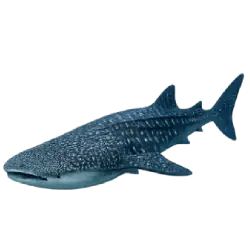
US$287 – US$595
Perkiraan rentang nilai
Kepercayaan 69%
Perkiraan nilai AnimalDex dibuat dari stat spesies kanonik.
Not a marketplace listing.
Perkiraan nilai berdasarkan hewan yang teridentifikasi dan konteks harga yang tersedia. Bukan daftar marketplace.
Seberapa langka Scalloped Hammerhead?
Rarity: Rare (78/100)
The species has suffered major declines from fishing pressure and slow population recovery.
Systems Intelligence & Hidden Purpose
Sudut pandang systems biology untuk melihat bagaimana spesies ini dibangun, peran apa yang dijalankannya di ekosistem, dan pelajaran praktis apa yang bisa dipetik manusia.
System Role
The Wide-Array Sensor Platform
Scalloped Hammerhead
Specialized Hardware
Hammer-shaped head, expanded electroreception spacing, and coordinated schooling behavior make hammerheads broad-scan hardware for complex marine hunting.
Systems Script
Scalloped hammerheads convert unusual head geometry into better prey detection and maneuvering, especially around reefs and seamounts. Their design proves shape can be a sensing strategy.
Strategic Insight
A wider information array can change decision quality more than simply moving faster.
Public Animal Power
Explore this Animal Power
This is a public capture, so you can explore its Animal Power here. Personal Apex matches and challenges use your Wild Profile and animals you own.
Own an animal with this power to use it in Growth challenges.
Hewan terkait
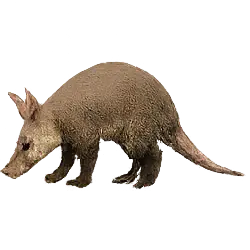
Aardvark
The aardvark is a nocturnal African mammal known for its long snout, strong digging…
Baca panduan spesies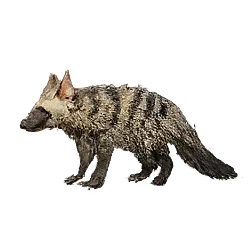
Aardwolf
The aardwolf is a small striped relative of hyenas that feeds mainly on termites rather…
Baca panduan spesies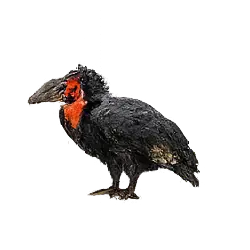
Abyssinian Ground Hornbill
Abyssinian Ground Hornbill is a bird known for bare red facial skin, huge…
Baca panduan spesiesLebih banyak hewan dengan kekuatan Hidden Value
Jelajahi semua hewan Hidden ValueAardvark
The aardvark is a nocturnal African mammal known for its long snout, strong digging…
Baca panduan spesies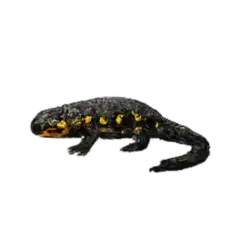
Alpine Salamander
Alpine Salamander is a amphibian known for glossy black mountain body, live-bearing…
Baca panduan spesies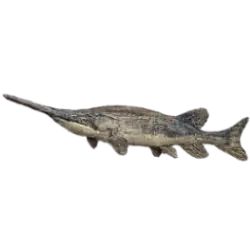
American Paddlefish
American Paddlefish is a fish known for long paddle-like snout, gill-raker plankton…
Baca panduan spesiesBawa ensiklopedia ke dunia nyata
AnimalDex membantumu memindai hewan nyata, mengidentifikasi spesies, mengoleksi kartu, dan belajar dari alam di mana pun kamu berada.