
Panduan lapangan hewan
Wandering Albatross
Identifikasi, habitat, rarity, perilaku, simbolisme, fakta, dan pelajaran praktis dari alam.
The Endless Ocean Glider. The Wandering Albatross uses giant wings to ride sea winds for incredible distances without much flapping. It reminds us that working with what carries us can make long journeys lighter.
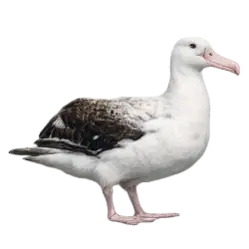
Kartu AnimalDex
Buka kartu hewan ini
Pindai atau tangkap hewan ini dengan AnimalDex untuk membuka kartu koleksi dan menambahkannya ke koleksi satwa liarmu.
Dapatkan AnimalDexNama ilmiah
Diomedea exulans
Kategori
Bird
Habitat
Open Southern Ocean waters with nesting on remote subantarctic islands.
Rarity
Rare · 78/100
Native range
Southern Hemisphere ocean basins around Antarctica and subantarctic breeding islands.
Drift
Ride the sea wind.
Dynamic Ocean Soaring
Apa yang diajarkannya
Long journeys become lighter when you read the wind instead of fighting it.
Coba
A long trip costs less energy when the route follows the easy roads.
Bukti alam
Wandering Albatrosses have enormous wingspans and use dynamic soaring over ocean winds to travel vast distances with little flapping.
Gunakan untuk
Tangkapan Wandering Albatross berperingkat
Belum ada tangkapan komunitas berperingkat untuk spesies ini.
Mengapa Drift?
Alasan di balik Prinsip Hewan ini dan biologi yang mendukungnya.
The wandering albatross is a huge oceanic seabird famous for immense wingspan, dynamic soaring, and long-distance travel over Southern Ocean winds.
Cara mengidentifikasi Wandering Albatross
- Enormous long narrow wings held stiff over wave systems
- Pale body with dark wing edges in many adults
- Large pinkish bill and effortless gliding over open water
Kenapa Wandering Albatross menarik
- Few birds demonstrate large-scale energy-efficient travel as clearly as albatrosses.
- Their life history shows how ocean scale and slow reproduction interact.
Habitat: Open Southern Ocean waters with nesting on remote subantarctic islands.
Native range: Southern Hemisphere ocean basins around Antarctica and subantarctic breeding islands.
nativeRangeCardTitle
nativeRangeCardDescription
Open Southern Ocean waters with nesting on remote subantarctic islands.
To find Wandering Albatross in the wild, focus on the exact habitat patches that match its body design and daily behavior, not just the broad country where it exists. You usually do better by working one good piece of habitat inside southern Hemisphere ocean basins around Antarctica and subantarctic breeding islands. than by covering too much ground.
- Headlands, reef edges, island colonies, tidal channels, or productive coastal water
- Protected habitat blocks within southern Hemisphere ocean basins around Antarctica and subantarctic breeding islands.
- Early sun and calm weather usually give the best chance of seeing normal basking, perched, or soaring behavior.
- Time your search around tide, wind, and visibility, then focus on feeding lines, reef edges, and known haul-out or nesting spots.
- Use sound, flight lines, and perch trees as clues; birds often reveal themselves before they sit in the open.
They eat squid, fish, carrion, and marine scraps gathered over vast seas. The diet fits the lesson because feeding is not random here; it shows how the animal turns its special design into daily survival.
Predators and threats include eggs and chicks face skuas and other island predators; adults are threatened by fisheries. Their defenses show that drift is not only a look, but a practical way to reduce risk.
They are spends long periods soaring and resting at sea, breeding slowly on land. This rhythm supports the principle because timing decides when the animal hides, searches, rests, or acts.
They can live for many decades, often over 50 years. The lifespan note matters because the animal’s strategy has to work repeatedly, not just in one dramatic moment.
females lay a single egg, and both parents invest heavily. Offspring begin life inside the same pressures that shaped the adult’s signature strategy.
sexes look similar, though males are usually larger. These differences add detail without replacing the core design shared by the species.
- Uses wind gradients over waves to travel with minimal flapping
- Forages widely for squid, fish, and surface prey
- Returns faithfully to remote nesting islands
Wandering Albatross most often symbolizes drift in AnimalDex because its real survival behavior repeatedly shows this pattern.
Long journeys become lighter when you read the wind instead of fighting it.
Wandering Albatrosses have enormous wingspans and use dynamic soaring over ocean winds to travel vast distances with little flapping.
- Respect colony restrictions on breeding islands completely.
- At sea, keep vessels predictable and avoid baiting behaviors.
- Other albatross species
- Large shearwater
- Giant petrel at distance
statsTitle
statsDescription
statsSourceLabel: statsSourceSpeciesProfile
dominanceStat
50
speedStat
66
sizeStat
50
intelligenceStat
43
rarityStat
78%
Total
287
Size scale
Large
Uses the canonical size stat for consistent placement


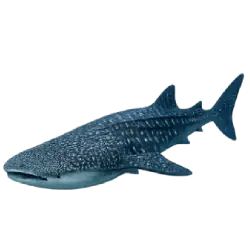
US$255 – US$529
Perkiraan rentang nilai
Kepercayaan 69%
Perkiraan nilai AnimalDex dibuat dari stat spesies kanonik.
Not a marketplace listing.
Perkiraan nilai berdasarkan hewan yang teridentifikasi dan konteks harga yang tersedia. Bukan daftar marketplace.
Seberapa langka Wandering Albatross?
Rarity: Rare (78/100)
The species ranges widely at sea but breeds at limited colonies and remains vulnerable to longline bycatch and slow reproduction.
Systems Intelligence & Hidden Purpose
Sudut pandang systems biology untuk melihat bagaimana spesies ini dibangun, peran apa yang dijalankannya di ekosistem, dan pelajaran praktis apa yang bisa dipetik manusia.
System Role
The Ocean Wind Broker
Wandering Albatross
Specialized Hardware
Extreme wingspan and dynamic soaring control make albatrosses atmospheric energy-harvesting hardware for long-range ocean movement.
Systems Script
Albatrosses convert wind structure into global-scale foraging reach, linking isolated marine resources across vast distances. They are proof that motion efficiency can outcompete raw exertion by orders of magnitude.
Strategic Insight
Learn the currents first. Systems that ride existing energy go farther on less.
Public Animal Power
Explore this Animal Power
This is a public capture, so you can explore its Animal Power here. Personal Apex matches and challenges use your Wild Profile and animals you own.
Own an animal with this power to use it in Growth challenges.
Hewan terkait
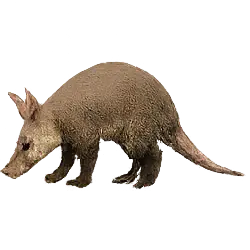
Aardvark
The aardvark is a nocturnal African mammal known for its long snout, strong digging…
Baca panduan spesies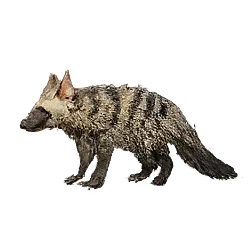
Aardwolf
The aardwolf is a small striped relative of hyenas that feeds mainly on termites rather…
Baca panduan spesies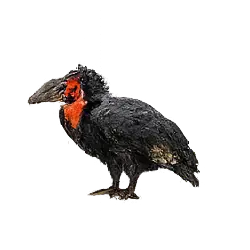
Abyssinian Ground Hornbill
Abyssinian Ground Hornbill is a bird known for bare red facial skin, huge…
Baca panduan spesiesLebih banyak hewan dengan kekuatan Energy Saving
Jelajahi semua hewan Energy Saving
Arctic Ground Squirrel
Arctic Ground Squirrel is framed by Frozen Readiness: a mammal whose body and habits…
Baca panduan spesies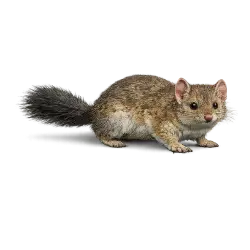
Brush-tailed Mulgara
Mulgara is framed by Night-Heat Economy: a mammal whose body and habits make sense in…
Baca panduan spesies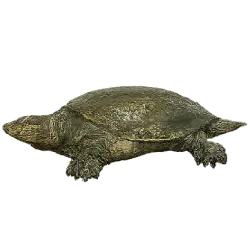
Chinese Softshell Turtle
Chinese Softshell Turtle is a reptile known for leathery flattened shell, long…
Baca panduan spesiesBawa ensiklopedia ke dunia nyata
AnimalDex membantumu memindai hewan nyata, mengidentifikasi spesies, mengoleksi kartu, dan belajar dari alam di mana pun kamu berada.