
Panduan lapangan hewan
Warty Frogfish
Identifikasi, habitat, rarity, perilaku, simbolisme, fakta, dan pelajaran praktis dari alam.
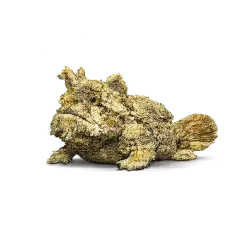
The Warty Frogfish is lure made biological. Its fishing-rod lure and camouflage turns ordinary survival into a clear AnimalDex lesson: the body succeeds because its shape, rhythm, and setting all support the same strategy.
Kartu AnimalDex
Buka kartu hewan ini
Pindai atau tangkap hewan ini dengan AnimalDex untuk membuka kartu koleksi dan menambahkannya ke koleksi satwa liarmu.
Dapatkan AnimalDexNama ilmiah
Antennarius maculatus
Kategori
Animal
Habitat
Warty Frogfishs usually live in coral reefs, sponges, rubble, and sheltered tropical seabeds. This habitat fits Lure because the animal's lesson only makes sense in the place that shaped its movement, defenses, and daily choices.
Rarity
Uncommon · 65/100
Native range
Warty Frogfishs usually live in coral reefs, sponges, rubble, and sheltered tropical seabeds. This habitat fits Lure because the animal's lesson only makes sense in the place that shaped its movement, defenses, and daily choices.
Lure
Offer the lure.
Fishing-Rod Ambush
Apa yang diajarkannya
Stillness becomes magnetic when it knows what to offer.
Coba
A shop window pulls people in by showing one perfect thing, not everything.
Bukti alam
Warty Frogfish use camouflage and a modified dorsal spine as a lure to attract prey before rapidly engulfing it with a large mouth.
Gunakan untuk
Tangkapan Warty Frogfish berperingkat
Belum ada tangkapan komunitas berperingkat untuk spesies ini.
Mengapa Lure?
Alasan di balik Prinsip Hewan ini dan biologi yang mendukungnya.
The Warty Frogfish is lure made biological. Its fishing-rod lure and camouflage turns ordinary survival into a clear AnimalDex lesson: the body succeeds because its shape, rhythm, and setting all support the same strategy.
Cara mengidentifikasi Warty Frogfish
- Fishing-rod lure and camouflage
- Adapted to coral reefs
- Behavior shaped by its niche
- A body plan that makes the principle visible
Kenapa Warty Frogfish menarik
- Warty Frogfishs are closely tied to coral reefs, sponges, rubble, and sheltered tropical seabeds.
- Their food is mainly small fish and crustaceans swallowed whole.
- Major pressures include larger fish, morays, and reef predators.
- The principle of Lure comes from real survival work, not just appearance.
Habitat: Warty Frogfishs usually live in coral reefs, sponges, rubble, and sheltered tropical seabeds. This habitat fits Lure because the animal's lesson only makes sense in the place that shaped its movement, defenses, and daily choices.
Native range: Warty Frogfishs usually live in coral reefs, sponges, rubble, and sheltered tropical seabeds. This habitat fits Lure because the animal's lesson only makes sense in the place that shaped its movement, defenses, and daily choices.
To find Warty Frogfish in the wild, focus on the exact habitat patches that match its body design and daily behavior, not just the broad country where it exists. You usually do better by working one good piece of habitat inside warty Frogfishs usually live in coral reefs, sponges, rubble, and sheltered tropical seabeds. This habitat fits Lure because the animal's lesson only makes sense in the place that shaped its movement, defenses, and daily choices. than by covering too much ground.
- Headlands, reef edges, island colonies, tidal channels, or productive coastal water
- Sunlit logs, exposed branches, warm rocks, or regular perch sites used for scanning
- Protected habitat blocks within warty Frogfishs usually live in coral reefs, sponges, rubble, and sheltered tropical seabeds. This habitat fits Lure because the animal's lesson only makes sense in the place that shaped its movement, defenses, and daily choices.
- Start early, pick one strong patch of habitat, and stay long enough for movement to return after you arrive.
- Time your search around tide, wind, and visibility, then focus on feeding lines, reef edges, and known haul-out or nesting spots.
- Move quietly, stop often, and give the habitat time to settle; many mammals and insects show themselves only after the first pause.
They feed on small fish and crustaceans swallowed whole. The diet fits the principle because food is not just fuel here; it is the problem the animal's body has learned to solve efficiently.
Predators and threats include larger fish, morays, and reef predators. Those pressures make the principle meaningful because survival depends on using the animal's specific design before danger gets too close.
They are mostly still, active when prey approaches. That rhythm supports Lure because timing decides when the animal spends energy, hides, feeds, or protects itself.
They may live wild lifespan uncertain; can live years. The lifespan matters because the species' strategy is not a single trick but a pattern repeated across seasons.
Females typically produce eggs are released in gelatinous masses or rafts. The offspring notes fit the lesson because young begin life inside the same habitat pressures that shaped the adult strategy.
Sexes are hard to tell externally. Sex differences matter only where they change the visible strategy; otherwise the shared body plan carries the main lesson.
- Fishing-rod lure and camouflage
- Adapted to coral reefs
- Behavior shaped by its niche
- A body plan that makes the principle visible
Warty Frogfish most often symbolizes lure in AnimalDex because its real survival behavior repeatedly shows this pattern.
Stillness becomes magnetic when it knows what to offer.
Warty Frogfish use camouflage and a modified dorsal spine as a lure to attract prey before rapidly engulfing it with a large mouth.
- Observe from a respectful distance and avoid changing the animal's behavior.
- Do not block feeding, shelter, nesting, or travel routes.
- Use a live camera capture without handling or staging wildlife.
statsTitle
statsDescription
statsSourceLabel: statsSourceSpeciesProfile
dominanceStat
42
speedStat
28
sizeStat
14
intelligenceStat
26
rarityStat
65%
Total
175
Size scale
Small
Uses the canonical size stat for consistent placement

US$130 – US$270
Perkiraan rentang nilai
Kepercayaan 69%
Perkiraan nilai AnimalDex dibuat dari stat spesies kanonik.
Not a marketplace listing.
Perkiraan nilai berdasarkan hewan yang teridentifikasi dan konteks harga yang tersedia. Bukan daftar marketplace.
Seberapa langka Warty Frogfish?
Rarity: Uncommon (65/100)
AnimalDex canonical rarity score: 65/100, maintained by the live indexed species profile.
Public Animal Power
Explore this Animal Power
This is a public capture, so you can explore its Animal Power here. Personal Apex matches and challenges use your Wild Profile and animals you own.
Own an animal with this power to use it in Growth challenges.
Hewan terkait

Warty Frogfish
Warty Frogfish is a fish known for lure-tipped angling spine, warty camouflage skin,…
Baca panduan spesies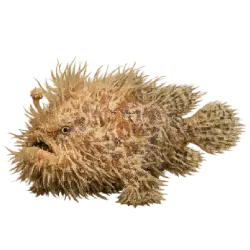
Hairy Frogfish
Hairy Frogfish teaches Lure-Shaped Oddity through the way hairy Frogfish use…
Baca panduan spesies
Painted Frogfish
The Painted Frogfish shows that patience becomes active when paired with the right…
Baca panduan spesiesLebih banyak hewan dengan kekuatan Ambush
Jelajahi semua hewan Ambush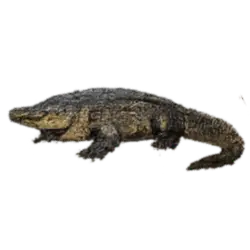
American Alligator
The American alligator is a large armored wetland reptile built for ambush, with a…
Baca panduan spesies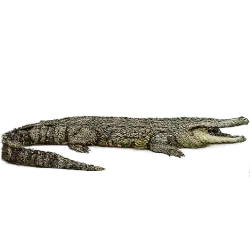
American Crocodile
American Crocodile teaches Brackish Stillness through a coastal predator waiting where…
Baca panduan spesies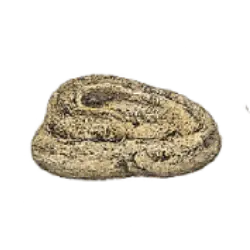
Arabian Sand Boa
Arabian Sand Boa is a reptile known for blunt short tail, sand-burrowing ambush body,…
Baca panduan spesiesBawa ensiklopedia ke dunia nyata
AnimalDex membantumu memindai hewan nyata, mengidentifikasi spesies, mengoleksi kartu, dan belajar dari alam di mana pun kamu berada.