
Panduan lapangan hewan
White-headed Vulture
Identifikasi, habitat, rarity, perilaku, simbolisme, fakta, dan pelajaran praktis dari alam.
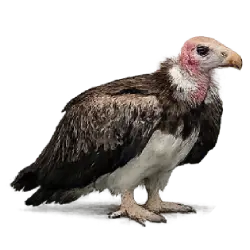
The Pale-Face Cleanup Chief. The White-headed Vulture uses a bald head and sharp hooked bill to clean up remains left in open country. It reminds us that important jobs are not always glamorous ones.
Kartu AnimalDex
Buka kartu hewan ini
Pindai atau tangkap hewan ini dengan AnimalDex untuk membuka kartu koleksi dan menambahkannya ke koleksi satwa liarmu.
Dapatkan AnimalDexNama ilmiah
Trigonoceps occipitalis
Kategori
Bird of prey
Habitat
Savannah woodland, open dry forest edges, and mixed scrub zones near large mammal ranges.
Rarity
Uncommon · 68/100
Native range
Sub-Saharan Africa with fragmented populations across eastern, southern, and parts of western regions.
Necessary Work
Do the necessary work.
Open-Country Carrion Cutting
Apa yang diajarkannya
The work others avoid may be the work that keeps the world clean.
Coba
Taking out the trash matters because clean spaces help everyone breathe.
Bukti alam
White-headed Vultures feed on carrion and scraps in open African habitats, using a hooked bill and bare head suited to scavenging around carcasses.
Gunakan untuk
Tangkapan White-headed Vulture berperingkat
Belum ada tangkapan komunitas berperingkat untuk spesies ini.
Mengapa Necessary Work?
Alasan di balik Prinsip Hewan ini dan biologi yang mendukungnya.
The white-headed vulture is a medium-sized African vulture known for its pale head, bold wing contrast, and low population density compared with more common scavengers.
Cara mengidentifikasi White-headed Vulture
- Distinct pale or white head with dark body
- Strong black-and-white contrast in flight
- Broad wings and heavy hooked beak
- Often seen alone or in pairs rather than large feeding flocks
Kenapa White-headed Vulture menarik
- Its striking wing pattern makes in-flight recognition rewarding for birders and photographers.
- It is a high-value sighting for anyone tracking rarer African raptors.
- It helps illustrate how scavengers support ecosystem cleanup and disease reduction.
Habitat: Savannah woodland, open dry forest edges, and mixed scrub zones near large mammal ranges.
Native range: Sub-Saharan Africa with fragmented populations across eastern, southern, and parts of western regions.
nativeRangeCardTitle
nativeRangeCardDescription
Savannah woodland, open dry forest edges, and mixed scrub zones near large mammal ranges.
To find White-headed Vulture in the wild, focus on the exact habitat patches that match its body design and daily behavior, not just the broad country where it exists. You usually do better by working one good piece of habitat inside sub-Saharan Africa with fragmented populations across eastern, southern, and parts of western regions. than by covering too much ground.
- Forest edge, canopy gaps, fruiting trees, or shaded trails where cover and food meet
- Open grassland edges, lightly wooded plains, or raised ground where you can scan long distances
- Protected habitat blocks within sub-Saharan Africa with fragmented populations across eastern, southern, and parts of western regions.
- Start early, pick one strong patch of habitat, and stay long enough for movement to return after you arrive.
- Work edges, clearings, fruiting trees, and stream crossings rather than walking randomly through dense cover.
- Use sound, flight lines, and perch trees as clues; birds often reveal themselves before they sit in the open.
Carrion, scraps, small dead animals, and occasionally live small prey support the lesson because usefulness comes from converting remains into energy.
Adults face few natural predators, but eggs and chicks may face raptors or mammals; poisoning, electrocution, and habitat loss are the larger dangers.
Diurnal, soaring when thermals rise and feeding when visibility and air lift make searching efficient.
Often decades in good conditions; the necessary-work lesson is long-term because ecosystems need cleaners every season, not only after dramatic events.
Females typically lay one egg in a tree nest, so each chick represents a slow replacement for a bird doing a critical job.
Sexes are broadly similar in appearance, so the principle rests on the shared scavenging role rather than display difference.
- Often patrols wide areas at height while scanning for carcasses
- Can be more solitary than highly social vulture species
- Uses strong vision and soaring efficiency to cover large distances
White-headed Vulture most often symbolizes necessary work in AnimalDex because its real survival behavior repeatedly shows this pattern.
The work others avoid may be the work that keeps the world clean.
White-headed Vultures feed on carrion and scraps in open African habitats, using a hooked bill and bare head suited to scavenging around carcasses.
- Keep distance from perches and nesting areas.
- Avoid crowding carcass sites where multiple scavengers may gather.
- Prioritize observation through optics rather than approaching directly.
statsTitle
statsDescription
statsSourceLabel: statsSourceSpeciesProfile
dominanceStat
68
speedStat
58
sizeStat
38
intelligenceStat
42
rarityStat
68%
Total
274
Size scale
Medium
Uses the canonical size stat for consistent placement

US$222 – US$460
Perkiraan rentang nilai
Kepercayaan 69%
Perkiraan nilai AnimalDex dibuat dari stat spesies kanonik.
Not a marketplace listing.
Perkiraan nilai berdasarkan hewan yang teridentifikasi dan konteks harga yang tersedia. Bukan daftar marketplace.
Seberapa langka White-headed Vulture?
Rarity: Uncommon (68/100)
Population pressure from poisoning, habitat disturbance, and lower breeding rates has made sightings meaningfully less common than many other African vultures.
Systems Intelligence & Hidden Purpose
Sudut pandang systems biology untuk melihat bagaimana spesies ini dibangun, peran apa yang dijalankannya di ekosistem, dan pelajaran praktis apa yang bisa dipetik manusia.
System Role
The Silent Recycler
White-headed Vulture
Specialized Hardware
Exceptional eyesight, soaring efficiency, and scavenger-grade feeding hardware allow the white-headed vulture to locate carcasses quickly and convert death into cleanup before disease risk spreads.
Systems Script
This species is part of the ecosystem sanitation layer. By clearing carrion, vultures reduce pathogen buildup, accelerate nutrient cycling, and keep the wider environmental operating system cleaner and more stable.
Strategic Insight
Not every valuable system creates by adding more. Some create advantage by removing waste faster than everyone else.
Public Animal Power
Explore this Animal Power
This is a public capture, so you can explore its Animal Power here. Personal Apex matches and challenges use your Wild Profile and animals you own.
Own an animal with this power to use it in Growth challenges.
Hewan terkait
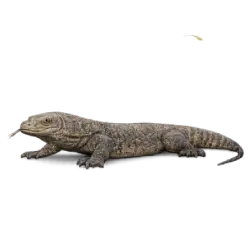
Komodo Dragon
The Komodo dragon is the largest living lizard, native to a small island range in…
Baca panduan spesies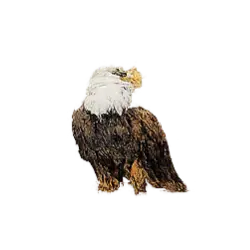
Bald Eagle
The bald eagle is a large North American raptor recognized by adult white head and tail…
Baca panduan spesies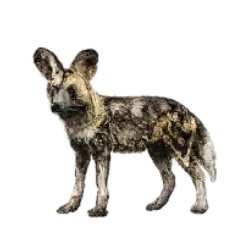
African Wild Dog
The African wild dog is a highly social carnivore with distinctive patchy coat patterns…
Baca panduan spesiesLebih banyak hewan dengan kekuatan Cleanup
Jelajahi semua hewan Cleanup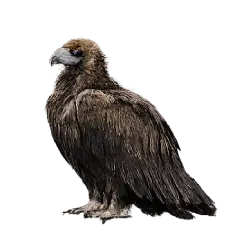
Cinereous Vulture
Cinereous Vulture is a bird of prey known for massive dark soaring wings, bare…
Baca panduan spesies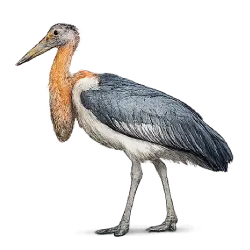
Greater Adjutant
Greater Adjutant is a bird known for massive bald-headed stork frame, dangling neck…
Baca panduan spesies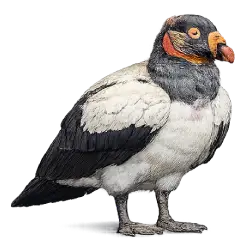
King Vulture
King Vulture is a bird known for multicolored bare head, broad high-soaring wings, and…
Baca panduan spesiesBawa ensiklopedia ke dunia nyata
AnimalDex membantumu memindai hewan nyata, mengidentifikasi spesies, mengoleksi kartu, dan belajar dari alam di mana pun kamu berada.
Panduan blog terkait
Lanjutkan belajar lewat artikel praktis yang terhubung dengan spesies ini.
How to identify animals in the wild (2026 guide)
A practical 2026 guide for identifying animals in the wild using body shape, behavior, habitat context, and respectful observation habits.
Baca artikel blog20 Real-life Pokémon: animals you can collect in the wild
A cross-generation guide to 20 Pokémon inspired by real animals, from Generation I through Generation IX, and how that collecting instinct maps onto wildlife discovery.
Baca artikel blogWhat makes an animal rare?
A practical explanation of rarity drivers in wildlife: range limits, population pressure, habitat fragmentation, breeding constraints, and human impact.
Baca artikel blogMuncul di tier list
Lihat posisi spesies ini di halaman tier list AnimalDex yang dibangun dengan perbandingan terstruktur dan metodologi yang jelas.
#7 · Reputation
Most Reviled Animals in the World: Top 100 Tier List
Vultures are ecologically useful, but visually and culturally they are still among the easiest birds for humans to treat as ominous or ugly.
Baca tier list