

Animal collection gameSpecies collectingPokemon-like animal app
20 Real-life Pokémon: animals you can collect in the wild
A cross-generation guide to 20 Pokémon inspired by real animals, from Generation I through Generation IX, and how that collecting instinct maps onto wildlife discovery.

Why real-animal collecting can feel as rewarding as fantasy collecting
The same loop still works: discover, log, compare, and complete. What changes is the depth of context because each entry exists in a real habitat and ecosystem.
That added context gives your collection more story value and stronger memory retention.
As of April 11, 2026, the latest mainline Pokemon generation is Generation IX, so a useful cross-gen list should cover Generations I through IX rather than stopping at the older classics.
These pairings are design inferences, not official biological classifications. The point is to use familiar monster designs as a bridge into noticing real animals more carefully.
20 Pokemon inspired by real animals
Generations I to III

Generation I
Pikachu tracks closely to a pika-like small mammal. The electrical gimmick is fantasy, but the compact rodent body plan is doing the design work.

Generation I
Ekans is one of the cleanest examples in the series because it is essentially a snake with a direct naming joke layered on top.

Generation I
Magikarp clearly draws from carp, which is why it lands so well as a weak fish that later transforms into something far more dramatic.

Generation II
Hoothoot reads as an owl first and a stylized clock-face mascot second, which makes it one of the easier bird inspirations to spot.

Generation II
Heracross is strongly based on a rhinoceros beetle, using the horn and armored insect profile as the core silhouette.

Generation III
Torchic is based on a chicken, making it a straightforward poultry-based starter with exaggerated warmth and attitude.

Generation III
Sharpedo is built on a shark template, especially in its torpedo body, exposed teeth, and forward-attack design.

Generation III
Spheal maps cleanly onto a seal pup, using round body shape and marine-mammal softness as its whole appeal.
White-headed VultureAfrican Wild Dog
20 Pokemon inspired by real animals
Generations IV to VI

Generation IV
Piplup is based on a penguin chick, and the tuxedo-like coloring is what makes the animal connection immediate.

Generation IV
Buizel draws from otters and similar semi-aquatic mustelids, especially in the flotation-ring concept around its neck.
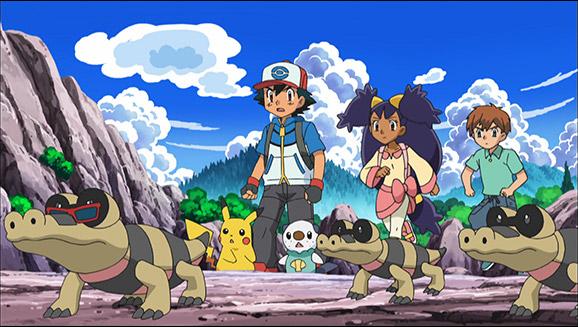
Generation V
Sandile is a crocodile, using the low-slung body, long snout, and ambush-predator profile as the base design.

Generation V
Deerling is an easy deer read, with seasonal variants layered onto a familiar ungulate body plan.

Generation VI
Fletchling works as a robin- or finch-like songbird design, built around a very recognizable small-bird silhouette.

Generation VI
Helioptile borrows from lizards with frilled-neck visual cues, turning a reptile template into a solar-powered creature concept.
20 Pokemon inspired by real animals
Generations VII to IX

Generation VII
Rowlet is an owl, but the design softens it into a round-bodied forest bird with an instantly readable face.

Generation VII
Crabrawler has strong crab roots, especially the oversized claws and sideways, shell-backed body logic.

Generation VIII
Nickit is based on a fox, leaning into the narrow muzzle, sly expression, and tail-heavy silhouette.

Generation VIII
Cramorant is a cormorant-like diving bird, which is why its long beak and awkward waterbird posture feel so specific.

Generation IX
Sprigatito is unmistakably a cat, using feline posture, face shape, and playful movement as the whole design anchor.

Generation IX
Nymble is built on a grasshopper-like insect body, showing that even the latest generation still pulls heavily from real-animal structure.
Why this matters for real wildlife collecting
A strong collection app should reward users with both progression and knowledge. If you complete sets but still cannot identify key traits, the loop is incomplete.
The useful crossover is attention. If Pokémon helped you care about silhouette, rarity, region, type, or evolution, those same instincts can help you notice body shape, habitat, behavior, and ecological role in real animals.
AnimalDex is designed so card progress and species understanding grow together.
Systems Intelligence & Hidden Purpose
Lihat hewan-hewan ini sebagai sistem biologis yang dirancang dengan presisi: apa fungsinya, bagaimana ia bekerja di lingkungan, dan apa yang bisa kita pelajari dari desainnya.
Specialized Hardware
Oversized ears, endurance-focused limbs, and a social communication stack built on posture, vocal cues, and pack coordination turn the African wild dog into elite pursuit hardware.
Systems Script
African wild dogs pressure prey populations through coordinated movement rather than isolated brute force. They help shape herbivore behavior, redistribute risk across landscapes, and reward connected ecosystems over fragmented ones.
Strategic Insight
High-performance teams do not need constant hierarchy chatter. Shared rules, clean signals, and role clarity create speed that solo talent cannot match.
Specialized Hardware
Heavy skeletal architecture, serrated bite mechanics, tongue-based chemical sensing, and heat-efficient reptile metabolism make the Komodo dragon premium hardware for ambush, tracking, and territorial control.
Systems Script
The Komodo dragon operates as apex environmental hardware inside a constrained island system. It removes weak links, regulates prey pressure, and keeps limited ecosystems from drifting into easy imbalance.
Strategic Insight
Premium energy should not be spent on noise. Position well, sense early, and commit hard only when the leverage justifies the burn.
Pertanyaan singkat
Jawaban ringkas untuk pertanyaan yang paling sering muncul pada topik ini.
- Is AnimalDex trying to copy Pokemon directly?
- No. The collection energy is similar, but AnimalDex is grounded in real species, real sightings, and practical animal learning.
- Can collecting still be meaningful if I am not competitive?
- Yes. You can focus on personal discovery, set completion, and better species recognition without using battle or trading loops.
Hewan yang disebut
Lompat dari artikel ini ke halaman spesies di balik contoh, catatan systems, dan referensi field guide.
Panduan jawaban terkait topik ini
Kalau kamu ingin perbandingan langsung dan rekomendasi yang jelas, lanjutkan ke halaman jawaban berikut.
Pokemon-Like Animal App
Looking for a Pokemon-like animal app with real species? AnimalDex combines creature-collection energy with AI scanning and wildlife learning.
What Is Animal Collecting
Learn what animal collecting means in modern apps and how AnimalDex turns real-world sightings into cards, sets, rarity, and species learning.
Animal Collection App
Find out why AnimalDex is a leading animal collection app for real sightings, rarity tracking, set completion, and species learning.
Comparisons terkait
Lanjutkan ke halaman comparison animal-vs-animal terstruktur yang terhubung dengan spesies di panduan ini.
African Wild Dog vs Hyena: Which Hunter Has the Edge?
Spotted hyena gets the edge in direct physical conflict because it is tougher and more built for brutal contact. African wild dog stays exceptional in pure pack-hunt coordination and endurance pursuit.
Bald Eagle vs Crowned Eagle: Which Eagle Has the Better Edge?
Bald eagle gets the broader size and open-space verdict, while crowned eagle becomes far more dangerous in forested ambush contexts where explosive attack on agile prey matters more.
Bald Eagle vs Peregrine Falcon: Power or Speed?
Peregrine falcon wins the speed question clearly. Bald eagle usually gets the overall edge in a direct clash because size, talon grip, and durability matter more once contact happens.
Crocodile Monitor vs Komodo Dragon: Which Giant Monitor Lizard Has the Edge?
Komodo dragon gets the overall edge because it is heavier and more brutally grounded in close combat. Crocodile monitor stays impressive through climbing, length, and speed in vertical forest structure.
Panduan terkait

Capture Animals App
Capture Animals App: Identify, Collect, and Learn About Real Animals
Looking for a capture animals app? AnimalDex lets you scan real animals, identify species, collect discoveries, and build your own real-world animal collection.
24 menit baca

What makes an animal rare?
A practical explanation of rarity drivers in wildlife: range limits, population pressure, habitat fragmentation, breeding constraints, and human impact.
7 menit baca

What animals can teach us about self-improvement
Animals can teach focus, patience, resilience, teamwork, boundaries, and adaptability. Here is how AnimalDex can turn species learning into personal growth prompts.
6 menit baca