
Panduan lapangan hewan
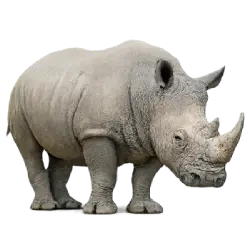
White Rhinoceros
Identifikasi, habitat, rarity, perilaku, simbolisme, fakta, dan pelajaran praktis dari alam.
The Wide-Mouth Grass Bulldozer. The White Rhinoceros uses a square grazing mouth and enormous body to mow through grassland with calm power. It shows us that peaceful work can still feel mighty.
Kartu AnimalDex
Buka kartu hewan ini
Pindai atau tangkap hewan ini dengan AnimalDex untuk membuka kartu koleksi dan menambahkannya ke koleksi satwa liarmu.
Dapatkan AnimalDexNama ilmiah
Ceratotherium simum
Kategori
Mammal
Habitat
Open grassland, savannah, floodplain, and lightly wooded grazing country with access to water and wallows.
Rarity
Uncommon · 62/100
Native range
Southern Africa with managed and fragmented populations in parts of eastern Africa.
Gentle Mass
Mow with peace.
Square-Mouth Grass Grazing
Apa yang diajarkannya
Great weight can still spend its life in peaceful work.
Coba
A big person can still be the softest one at story time.
Bukti alam
White Rhinoceroses have broad square lips adapted for grazing and use massive bodies to feed across grasslands, often with comparatively social behavior for rhinos.
Gunakan untuk
Tangkapan White Rhinoceros berperingkat
Belum ada tangkapan komunitas berperingkat untuk spesies ini.
Mengapa Gentle Mass?
Alasan di balik Prinsip Hewan ini dan biologi yang mendukungnya.
White rhinoceroses are massive square-lipped grazers built for bulk feeding, territorial presence, and short explosive charges across open African grassland systems.
Cara mengidentifikasi White Rhinoceros
- Huge barrel-bodied grazer with broad square mouth held close to the ground
- Two horns on the snout with the front horn usually longer
- Large shoulder hump and heavy head carried low while feeding
Kenapa White Rhinoceros menarik
- White rhinoceroses are excellent megaherbivore comparison animals because they turn bulk, horn placement, and grazing design into one clear body plan.
- They make elephant versus rhino comparisons much more useful than generic 'big animal' content.
Habitat: Open grassland, savannah, floodplain, and lightly wooded grazing country with access to water and wallows.
Native range: Southern Africa with managed and fragmented populations in parts of eastern Africa.
nativeRangeCardTitle
nativeRangeCardDescription
Open grassland, savannah, floodplain, and lightly wooded grazing country with access to water and wallows.
To find White Rhinoceros in the wild, focus on the exact habitat patches that match its body design and daily behavior, not just the broad country where it exists. You usually do better by working one good piece of habitat inside southern Africa with managed and fragmented populations in parts of eastern Africa. than by covering too much ground.
- Quiet marsh edges, reedbeds, river bends, or shallow wetland margins
- Open grassland edges, lightly wooded plains, or raised ground where you can scan long distances
- Protected habitat blocks within southern Africa with managed and fragmented populations in parts of eastern Africa.
- Start early, pick one strong patch of habitat, and stay long enough for movement to return after you arrive.
- Use binoculars from a track, ridge, or vehicle stop and scan far ahead before you move closer.
- Move quietly, stop often, and give the habitat time to settle; many mammals and insects show themselves only after the first pause.
They feed on short grasses cropped by a square lip. The diet fits the principle because food is not just fuel here; it is the problem the animal's body has learned to solve efficiently.
Predators and threats include humans are the main threat; calves may face lions or hyenas. Those pressures make the principle meaningful because survival depends on using the animal's specific design before danger gets too close.
They are active in cooler hours, resting in heat. That rhythm supports Gentle Mass because timing decides when the animal spends energy, hides, feeds, or protects itself.
They may live 40 to 50 years. The lifespan matters because the species' strategy is not a single trick but a pattern repeated across seasons.
Females typically produce one calf after a long gestation. The offspring notes fit the lesson because young begin life inside the same habitat pressures that shaped the adult strategy.
Males are larger with heavier horns and territorial behavior. Sex differences matter only where they change the visible strategy; otherwise the shared body plan carries the main lesson.
- Grazes for long stretches with the head low and lips sweeping short grass
- Uses wallows, scent marks, and spatial routines to manage social pressure
- Can shift from calm feeding to very fast short-distance aggression when threatened
White Rhinoceros most often symbolizes gentle mass in AnimalDex because its real survival behavior repeatedly shows this pattern.
Great weight can still spend its life in peaceful work.
White Rhinoceroses have broad square lips adapted for grazing and use massive bodies to feed across grasslands, often with comparatively social behavior for rhinos.
- Stay in vehicles or with licensed guides in rhino country and never pressure an animal to move off a preferred path.
- Give extra space around calves, wallows, and water access points.
- Black rhinoceros
- Mud-covered hippopotamus at distance
- Cape buffalo from poor angles
statsTitle
statsDescription
statsSourceLabel: statsSourceSpeciesProfile
dominanceStat
90
speedStat
42
sizeStat
84
intelligenceStat
42
rarityStat
62%
Total
320
Size scale
Colossal
Uses the canonical size stat for consistent placement

US$301 – US$625
Perkiraan rentang nilai
Kepercayaan 69%
Perkiraan nilai AnimalDex dibuat dari stat spesies kanonik.
Not a marketplace listing.
Perkiraan nilai berdasarkan hewan yang teridentifikasi dan konteks harga yang tersedia. Bukan daftar marketplace.
Seberapa langka White Rhinoceros?
Rarity: Uncommon (62/100)
White rhinoceroses survive best in protected landscapes, but poaching and fragmentation still keep long-term security under pressure.
Systems Intelligence & Hidden Purpose
Sudut pandang systems biology untuk melihat bagaimana spesies ini dibangun, peran apa yang dijalankannya di ekosistem, dan pelajaran praktis apa yang bisa dipetik manusia.
System Role
The Grassland Mass-Throughput Grazer
White Rhinoceros
Specialized Hardware
Square grazing lip, heavy neck support, thick skin, and horn-forward charge mechanics make white rhinoceroses bulk-feeding hardware built for open ground.
Systems Script
White rhinoceroses convert large grass volumes into megaherbivore pressure across savannah systems. They reshape short-grass structure, path use, and wallow zones while forcing the landscape to make room for body scale.
Strategic Insight
Scale is powerful when it is paired with a simple repeatable operating loop. Do the basic high-value action well enough, and the whole environment starts bending around it.
Public Animal Power
Explore this Animal Power
This is a public capture, so you can explore its Animal Power here. Personal Apex matches and challenges use your Wild Profile and animals you own.
Own an animal with this power to use it in Growth challenges.
Hewan terkait

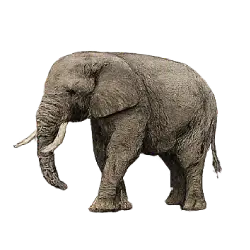
Elephant
Elephants are large social herbivores with remarkable memory, trunk dexterity, and…
Baca panduan spesies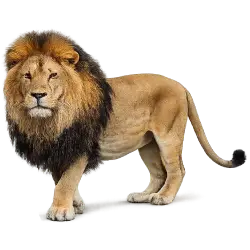
Lion
Lions are social big cats recognized for pride living, coordinated hunts, and…
Baca panduan spesies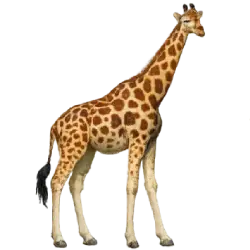
Giraffe
Giraffes are towering browsing mammals with long necks, patterned coats, and…
Baca panduan spesiesLebih banyak hewan dengan kekuatan Calm Power
Jelajahi semua hewan Calm Power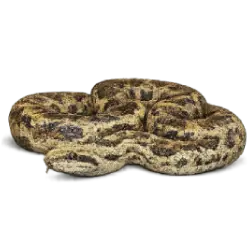
Madagascar Ground Boa
Madagascar Ground Boa is a reptile known for heavy blotched constrictor body,…
Baca panduan spesies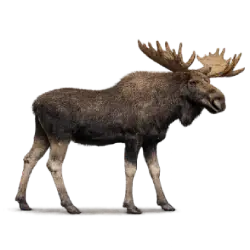
Moose
The moose is the largest deer species, known for its long legs, hanging snout, and the…
Baca panduan spesies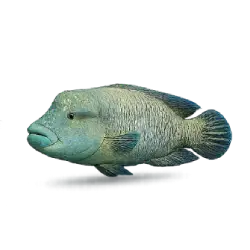
Napoleon Wrasse
Napoleon Wrasse is a fish known for large hump-headed reef body, thick lips, and…
Baca panduan spesiesBawa ensiklopedia ke dunia nyata
AnimalDex membantumu memindai hewan nyata, mengidentifikasi spesies, mengoleksi kartu, dan belajar dari alam di mana pun kamu berada.
Comparisons terkait
Lihat bagaimana spesies ini tampil di halaman perbandingan AnimalDex yang terstruktur.
Elephant vs Rhino: Who Has the Real Edge?
Elephant usually has the overall edge through greater size, reach, and control of space. A rhino still remains dangerous because its charge is compact, forceful, and built for brutal short-range disruption.
Baca halaman comparisonGreen Anaconda vs Rhino: Which Dangerous Animal Has the Edge?
White rhinoceros gets the overwhelming overall edge because the size, thickness, and forward-driving mass are too much for the anaconda to manage in any broad realistic matchup. The snake only becomes relevant through a highly specific positional miracle.
Baca halaman comparisonGrizzly Bear vs Rhino: Which Heavy Animal Has the Edge?
White rhinoceros gets the overwhelming overall edge because the size, thick skin, and horn-first lane pressure are too much for the grizzly in any broad realistic clash. The bear only improves if the shape breaks apart before the rhino gets clean forward pressure.
Baca halaman comparisonHippopotamus vs Rhino: Which Heavyweight Usually Wins?
On open land, white rhinoceros usually gets the cleaner answer through charge mechanics and horn-first pressure. In water-linked or short messy contact, hippopotamus becomes much more dangerous.
Baca halaman comparisonMuncul di tier list
Lihat posisi spesies ini di halaman tier list AnimalDex yang dibangun dengan perbandingan terstruktur dan metodologi yang jelas.
#3 · Strength
Strongest Animals in the World: Top 100 Tier List
White rhinoceros turns heavy body scale and charge geometry into one of the strongest land conflict profiles.
Baca tier list#4 · Size
Biggest Animals in the World: Top 250 Tier List
White rhinoceros combines heavy body mass with a broad, forceful terrestrial profile.
Baca tier list#9 · Armor
Animals with the Strongest Armor: Top 100 Tier List
White rhinoceros is not armored like a pangolin, but its protective body build still belongs in the discussion.
Baca tier list