
Panduan lapangan hewan
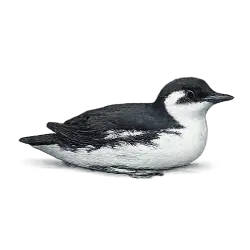
Xantus's Murrelet
Identifikasi, habitat, rarity, perilaku, simbolisme, fakta, dan pelajaran praktis dari alam.
Xantus's Murrelet teaches Night Timing through a tiny seabird that saves its most dangerous return for darkness. Its island nesting, quick sea commute, and nocturnal arrivals show that safety is often not about changing the journey, but choosing the hour when the world is least exposed.
Kartu AnimalDex
Buka kartu hewan ini
Pindai atau tangkap hewan ini dengan AnimalDex untuk membuka kartu koleksi dan menambahkannya ke koleksi satwa liarmu.
Dapatkan AnimalDexNama ilmiah
Synthliboramphus hypoleucus
Kategori
Animal
Habitat
Rocky offshore islands, sea cliffs, crevices, and nearby productive coastal waters fit Xantus's Murrelet because Night Timing needs two worlds: open sea for feeding and dark island cover for nesting. The habitat makes darkness a doorway rather than a backdrop.
Rarity
Very rare · 86/100
Native range
Rocky offshore islands, sea cliffs, crevices, and nearby productive coastal waters fit Xantus's Murrelet because Night Timing needs two worlds: open sea for feeding and dark island cover for nesting. The habitat makes darkness a doorway rather than a backdrop.
Night Timing
Return after dark.
Nocturnal Island Return
Apa yang diajarkannya
The same journey becomes safer when taken under the right darkness.
Coba
A difficult talk goes better after dinner, not during the rush.
Bukti alam
Xantus’s Murrelets are small seabirds that visit nesting islands at night, reducing predation risk while commuting between sea and nest sites.
Gunakan untuk
Tangkapan Xantus's Murrelet berperingkat
Belum ada tangkapan komunitas berperingkat untuk spesies ini.
Mengapa Night Timing?
Alasan di balik Prinsip Hewan ini dan biologi yang mendukungnya.
Xantus's Murrelet teaches Night Timing through a tiny seabird that saves its most dangerous return for darkness. Its island nesting, quick sea commute, and nocturnal arrivals show that safety is often not about changing the journey, but choosing the hour when the world is least exposed.
Cara mengidentifikasi Xantus's Murrelet
- Small seabird body built for fast sea travel
- Nocturnal visits to nesting islands
- Crevice and island nesting that reduce exposure
- Ocean feeding paired with carefully timed landfall
Kenapa Xantus's Murrelet menarik
- Adults often return to breeding islands at night to reduce danger from predators.
- Chicks can leave the nest site very soon after hatching and head toward the sea.
- Their lives link open ocean feeding with hidden island nesting.
- The timing of return is as important as the route itself.
Habitat: Rocky offshore islands, sea cliffs, crevices, and nearby productive coastal waters fit Xantus's Murrelet because Night Timing needs two worlds: open sea for feeding and dark island cover for nesting. The habitat makes darkness a doorway rather than a backdrop.
Native range: Rocky offshore islands, sea cliffs, crevices, and nearby productive coastal waters fit Xantus's Murrelet because Night Timing needs two worlds: open sea for feeding and dark island cover for nesting. The habitat makes darkness a doorway rather than a backdrop.
To find Xantus's Murrelet in the wild, focus on the exact habitat patches that match its body design and daily behavior, not just the broad country where it exists. You usually do better by working one good piece of habitat inside rocky offshore islands, sea cliffs, crevices, and nearby productive coastal waters fit Xantus's Murrelet because Night Timing needs two worlds: open sea for feeding and dark island cover for nesting. The habitat makes darkness a doorway rather than a backdrop. than by covering too much ground.
- Rocky slopes, ridge lines, cliff ledges, or open mountain meadows with a wide view
- Headlands, reef edges, island colonies, tidal channels, or productive coastal water
- Protected habitat blocks within rocky offshore islands, sea cliffs, crevices, and nearby productive coastal waters fit Xantus's Murrelet because Night Timing needs two worlds: open sea for feeding and dark island cover for nesting. The habitat makes darkness a doorway rather than a backdrop.
- Go at dusk or after dark, move slowly, and listen before using a light or stepping into cover.
- Scan from a stable vantage point first; in steep country, patient glassing usually beats constant hiking.
- Move quietly, stop often, and give the habitat time to settle; many mammals and insects show themselves only after the first pause.
Small fish, larvae, and planktonic sea life support Night Timing because food is gathered at sea while safety is negotiated on land. The diet resonates with the principle because the bird must balance quick ocean feeding with carefully timed returns.
At breeding sites, activity is strongly shaped by night return, while feeding happens at sea between nesting duties. The rhythm fits Night Timing because the same movement becomes safer when placed in darkness.
Small seabirds can live for many years if they survive early danger, making Night Timing a repeated discipline across breeding seasons. The lesson is not one lucky night; it is a lifetime of choosing safer windows.
Females lay eggs in protected island crevices or cavities, and chicks leave for the sea quickly after hatching. Offspring fit the principle because they begin life by making a dangerous first journey at the safest possible time.
Males and females look broadly similar, so the lesson is shared rather than displayed. Both sexes depend on timing, secrecy, and the same small ocean-going body.
- Small seabird body built for fast sea travel
- Nocturnal visits to nesting islands
- Crevice and island nesting that reduce exposure
- Ocean feeding paired with carefully timed landfall
Xantus's Murrelet most often symbolizes night timing in AnimalDex because its real survival behavior repeatedly shows this pattern.
The same journey becomes safer when taken under the right darkness.
Xantus’s Murrelets are small seabirds that visit nesting islands at night, reducing predation risk while commuting between sea and nest sites.
- Observe from a respectful distance and avoid changing the animal's behavior.
- Do not block feeding, shelter, nesting, or travel routes.
- Use a live camera capture without handling or staging wildlife.
statsTitle
statsDescription
statsSourceLabel: statsSourceSpeciesProfile
dominanceStat
30
speedStat
62
sizeStat
8
intelligenceStat
38
rarityStat
86%
Total
224
Size scale
Tiny
Uses the canonical size stat for consistent placement



US$164 – US$342
Perkiraan rentang nilai
Kepercayaan 69%
Perkiraan nilai AnimalDex dibuat dari stat spesies kanonik.
Not a marketplace listing.
Perkiraan nilai berdasarkan hewan yang teridentifikasi dan konteks harga yang tersedia. Bukan daftar marketplace.
Seberapa langka Xantus's Murrelet?
Rarity: Very rare (86/100)
AnimalDex canonical rarity score: 86/100, maintained by the live indexed species profile.
Public Animal Power
Explore this Animal Power
This is a public capture, so you can explore its Animal Power here. Personal Apex matches and challenges use your Wild Profile and animals you own.
Own an animal with this power to use it in Growth challenges.
Hewan terkait


Lebih banyak hewan dengan kekuatan Nesting
Jelajahi semua hewan Nesting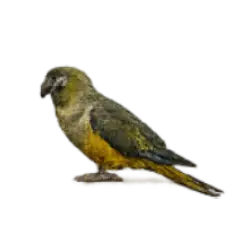
Burrowing Parakeet
Burrowing Parakeet is a bird known for long tail, olive-brown parrot body, and…
Baca panduan spesies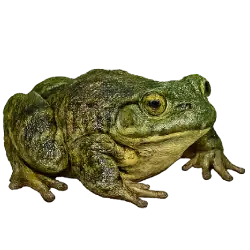
Goliath Frog
Goliath Frog is a amphibian known for enormous frog body size, powerful river-jumping…
Baca panduan spesies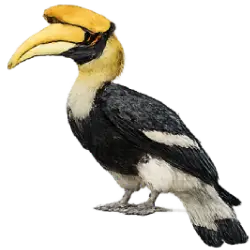
Great Hornbill
Great Hornbill is a bird known for massive yellow casque bill, black-and-white wings,…
Baca panduan spesiesBawa ensiklopedia ke dunia nyata
AnimalDex membantumu memindai hewan nyata, mengidentifikasi spesies, mengoleksi kartu, dan belajar dari alam di mana pun kamu berada.