
Panduan lapangan hewan
Yellow Tang
Identifikasi, habitat, rarity, perilaku, simbolisme, fakta, dan pelajaran praktis dari alam.
Panduan lapangan hewan
Yellow Tang
Reef Current Flow
Go with the flow.
Yellow Tangs adapt to shifting ocean currents, demonstrating the importance of flexibility and fluidity in navigating life's changes.
You’re #1 of 1
RECORD ID
7C3742B1-A097-4061-BE5B-8518B6C61250
Native range
Natural range, not this capture location
Native range keys: north_pacific, south_pacific. Shallow, wave-washed reef flats and slopes suit Yellow Tang because Reef Current Flow means using surge to move, which needs water that reliably moves.
Wild reward hint
First-time wild species earn bonus rewards, including 1 free credit.
0/1 XP toward Level 2
AnimalDex stats
Dominance
19
Speed
44
Size
10
Intelligence
24
Rarity
36%
Total
133
Size scale
Zoo animal · comparisons disabled
Zoo animals stay in your collection, but they can't enter scenario comparisons or the Arena.
✦ Available actions
Compare this public animal when your deck meets the current rules.
Nama ilmiah
Zebrasoma flavescens
Kategori
Animal
Habitat
Native range keys: north_pacific, south_pacific. Shallow, wave-washed reef flats and slopes suit Yellow Tang because Reef Current Flow means using surge to move, which needs water that reliably moves.
Rarity
Relatively common · 36/100
Native range
Native range keys: north_pacific, south_pacific. Shallow, wave-washed reef flats and slopes suit Yellow Tang because Reef Current Flow means using surge to move, which needs water that reliably moves.
Mengapa Reef Current Flow?
Alasan di balik Prinsip Hewan ini dan biologi yang mendukungnya.
Yellow Tang teaches Reef Current Flow across Hawaiian reef, gliding with the surge rather than fighting it and turning that saved effort into a full day of grazing.
Cara mengidentifikasi Yellow Tang
- Uniform bright yellow body, unmistakable on a reef
- White scalpel spine at the tail base
- Snout drawn out for reaching algae in crevices
- Pale with a dark horizontal stripe at night
Kenapa Yellow Tang menarik
- It fades at night, developing a dark lateral stripe, and brightens again at dawn.
- It cleans algae off the shells of green sea turtles, which visit reef to be groomed.
- It is most abundant on the reefs of Hawaii.
- Its long snout lets it reach algae that blunter grazers cannot.
- Its scalpel spine is white against yellow, and easy to see when raised.
Habitat: Native range keys: north_pacific, south_pacific. Shallow, wave-washed reef flats and slopes suit Yellow Tang because Reef Current Flow means using surge to move, which needs water that reliably moves.
Native range: Native range keys: north_pacific, south_pacific. Shallow, wave-washed reef flats and slopes suit Yellow Tang because Reef Current Flow means using surge to move, which needs water that reliably moves.
nativeRangeCardTitle
nativeRangeCardDescription
nativeRangeMissingAssets
Native range keys: north_pacific, south_pacific. Shallow, wave-washed reef flats and slopes suit Yellow Tang because Reef Current Flow means using surge to move, which needs water that reliably moves.
To find Yellow Tang in the wild, focus on the exact habitat patches that match its body design and daily behavior, not just the broad country where it exists. You usually do better by working one good piece of habitat inside native range keys: north_pacific, south_pacific. Shallow, wave-washed reef flats and slopes suit Yellow Tang because Reef Current Flow means using surge to move, which needs water that reliably moves. than by covering too much ground.
- Headlands, reef edges, island colonies, tidal channels, or productive coastal water
- Protected habitat blocks within native range keys: north_pacific, south_pacific. Shallow, wave-washed reef flats and slopes suit Yellow Tang because Reef Current Flow means using surge to move, which needs water that reliably moves.
- Go at dusk or after dark, move slowly, and listen before using a light or stepping into cover.
- Time your search around tide, wind, and visibility, then focus on feeding lines, reef edges, and known haul-out or nesting spots.
- Move quietly, stop often, and give the habitat time to settle; many mammals and insects show themselves only after the first pause.
Filamentous algae and seaweed grazed from reef rock, plus algae taken off turtle shells. This diet supports Reef Current Flow because grazing is constant, low-return work that only pays if movement between patches is cheap.
Groupers, jacks and reef sharks. Its answer is a dash into coral and a raised tail blade rather than sustained speed.
Yellow Tangs graze through the day and wedge into reef crevices at night, changing colour so completely that they are hard to recognise.
Yellow Tangs can live over thirty years in the wild, so Reef Current Flow becomes deeply learned — an old fish reads its own reef's water better than any newcomer.
They spawn in open water around dusk, and the larvae drift for well over a month before settling on shallow reef. Offspring fit the principle because the larval stage rides currents far beyond any adult's range.
Males and females look identical, with males slightly larger and performing a rapid colour-flashing display when courting. The difference appears only in behaviour, and only briefly.
- Uniform bright yellow body, unmistakable on a reef
- White scalpel spine at the tail base
- Snout drawn out for reaching algae in crevices
- Pale with a dark horizontal stripe at night
Yellow Tang most often symbolizes reef current flow in AnimalDex because its real survival behavior repeatedly shows this pattern.
Yellow Tangs adapt to shifting ocean currents, demonstrating the importance of flexibility and fluidity in navigating life's changes.
Yellow Tangs are known for their ability to navigate and thrive in the ever-changing currents of coral reefs.
- Observe from a respectful distance and avoid changing the animal's behavior.
- Do not block feeding, shelter, nesting, or travel routes.
- Use a live camera capture without handling or staging wildlife.
Hewan terkait

Sailfin Tang
Sailfin Tang teaches Unfolded Size through a body that carries a second, larger version…
Baca panduan spesies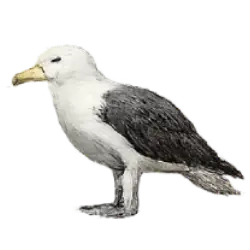
Atlantic Yellow-nosed Albatross
Atlantic Yellow-nosed Albatross is a bird known for long gliding ocean wings, yellow…
Baca panduan spesies
Black-and-yellow Mud Dauber
Black-and-yellow Mud Dauber carries Architect through specific body design and repeated…
Baca panduan spesiesLebih banyak hewan dengan kekuatan Adaptability
Jelajahi semua hewan Adaptability
Bawa ensiklopedia ke dunia nyata
AnimalDex membantumu memindai hewan nyata, mengidentifikasi spesies, mengoleksi kartu, dan belajar dari alam di mana pun kamu berada.