
Panduan lapangan hewan
Zebra Finch
Identifikasi, habitat, rarity, perilaku, simbolisme, fakta, dan pelajaran praktis dari alam.
The Tiny Desert Singer. The Zebra Finch uses a bright orange beak to crack seeds and happy chirps to stay close to its flock in dry places. It teaches us that cheerful voices can help a group stay close in hard weather.
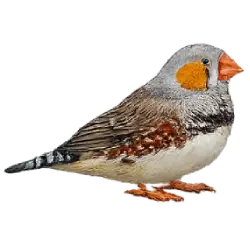
Kartu AnimalDex
Buka kartu hewan ini
Pindai atau tangkap hewan ini dengan AnimalDex untuk membuka kartu koleksi dan menambahkannya ke koleksi satwa liarmu.
Dapatkan AnimalDexNama ilmiah
Taeniopygia guttata
Kategori
Bird
Habitat
arid grassland, scrub, and dry woodland
Rarity
Relatively common · 20/100
Native range
Australia and Lesser Sunda Islands
Bonding
Keep the flock close.
Learned Contact Song
Apa yang diajarkannya
A small voice can hold a group together across hard weather.
Coba
A family feels close when the same goodnight song returns each night.
Bukti alam
Zebra Finches are social seed-eating birds known for vocal communication and learned song. Their calls and songs support pair bonds, flock contact, and social behavior in dry habitats.
Gunakan untuk
Tangkapan Zebra Finch berperingkat
Belum ada tangkapan komunitas berperingkat untuk spesies ini.
Mengapa Bonding?
Alasan di balik Prinsip Hewan ini dan biologi yang mendukungnya.
Zebra Finch is a bird known for barred tail and chest patterning, bright orange beak, and constant social chirping.
Cara mengidentifikasi Zebra Finch
- barred tail and chest patterning
- bright orange beak
- constant social chirping
- Often associated with arid grassland, scrub, and dry woodland
Kenapa Zebra Finch menarik
- Zebra Finch is a useful example of how anatomy and habitat fit together as one survival system.
- Its shape, movement style, and food strategy make it easy to compare with related animals.
- This species turns one page into a lesson about adaptation, ecosystem role, and identification.
Habitat: arid grassland, scrub, and dry woodland
Native range: Australia and Lesser Sunda Islands
nativeRangeCardTitle
nativeRangeCardDescription
arid grassland, scrub, and dry woodland
To find Zebra Finch in the wild, focus on the exact habitat patches that match its body design and daily behavior, not just the broad country where it exists. You usually do better by working one good piece of habitat inside australia and Lesser Sunda Islands than by covering too much ground.
- Forest edge, canopy gaps, fruiting trees, or shaded trails where cover and food meet
- Open grassland edges, lightly wooded plains, or raised ground where you can scan long distances
- Water sources, dune bases, rocky wadis, or shaded scrub at first and last light
- Start early, pick one strong patch of habitat, and stay long enough for movement to return after you arrive.
- Work edges, clearings, fruiting trees, and stream crossings rather than walking randomly through dense cover.
- Use sound, flight lines, and perch trees as clues; birds often reveal themselves before they sit in the open.
Grass seeds and small seeds support Bonding because finches often search and feed socially. Food is small, repeated, and easier to locate when movement stays coordinated.
Zebra Finches are diurnal, feeding, calling, bathing, and socializing by day. Their rhythm supports bonding through repeated ordinary signals rather than rare dramatic gestures.
Zebra Finches can live several years, especially in protected care. Their lifespan supports learned bonds because song, pair routines, and flock habits develop through repetition.
Females lay eggs in nests built by the pair, and both parents help feed the chicks. Reproduction supports Bonding because song and pair care become survival tools for young.
Males usually have stronger orange cheek patches, chest barring, and more developed song, while females are plainer. The difference links bonding to display, voice, and recognition.
- Zebra Finch adjusts movement and feeding to match light, temperature, and food access in its habitat.
- Body design, timing, and shelter choices all help this species stay effective in the wild.
- Patient observation usually reveals more behavior than close approach or fast movement.
Zebra Finch most often symbolizes bonding in AnimalDex because its real survival behavior repeatedly shows this pattern.
A small voice can hold a group together across hard weather.
Zebra Finches are social seed-eating birds known for vocal communication and learned song. Their calls and songs support pair bonds, flock contact, and social behavior in dry habitats.
- Keep distance and let the animal choose the space.
- Avoid blocking movement routes, nesting areas, or feeding behavior.
- Use optics, patience, and quiet observation instead of crowding for a closer view.
- Regional relatives may look similar at a distance.
- Juveniles, adults, and seasonal forms can differ in color or size.
- Light, angle, and habitat context can change how field marks appear.
statsTitle
statsDescription
statsSourceLabel: statsSourceSpeciesProfile
dominanceStat
18
speedStat
55
sizeStat
5
intelligenceStat
42
rarityStat
20%
Total
140
Size scale
Tiny
Uses the canonical size stat for consistent placement


US$62 – US$130
Perkiraan rentang nilai
Kepercayaan 69%
Perkiraan nilai AnimalDex dibuat dari stat spesies kanonik.
Not a marketplace listing.
Perkiraan nilai berdasarkan hewan yang teridentifikasi dan konteks harga yang tersedia. Bukan daftar marketplace.
Seberapa langka Zebra Finch?
Rarity: Relatively common (20/100)
Zebra Finch remains fairly widespread where arid grassland, scrub, and dry woodland is still available.
Systems Intelligence & Hidden Purpose
Sudut pandang systems biology untuk melihat bagaimana spesies ini dibangun, peran apa yang dijalankannya di ekosistem, dan pelajaran praktis apa yang bisa dipetik manusia.
System Role
The Striped Song Finch
Zebra Finch
Specialized Hardware
barred tail and chest patterning, bright orange beak, and constant social chirping give the Zebra Finch a body plan tuned for its niche.
Systems Script
Zebra Finchs operate through arid grassland, scrub, and dry woodland. Their design links movement, feeding, shelter, and timing into one workable survival system.
Strategic Insight
Harsh places reward efficiency, timing, and bodies that waste very little.
Public Animal Power
Explore this Animal Power
This is a public capture, so you can explore its Animal Power here. Personal Apex matches and challenges use your Wild Profile and animals you own.
Own an animal with this power to use it in Growth challenges.
Hewan terkait
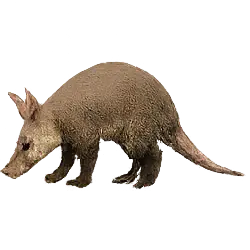
Aardvark
The aardvark is a nocturnal African mammal known for its long snout, strong digging…
Baca panduan spesies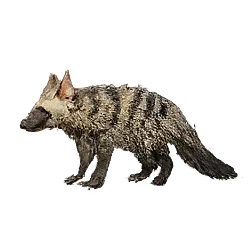
Aardwolf
The aardwolf is a small striped relative of hyenas that feeds mainly on termites rather…
Baca panduan spesies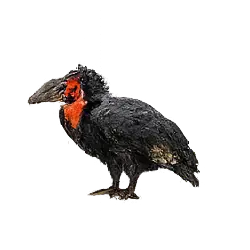
Abyssinian Ground Hornbill
Abyssinian Ground Hornbill is a bird known for bare red facial skin, huge…
Baca panduan spesiesLebih banyak hewan dengan kekuatan Bonding
Jelajahi semua hewan Bonding
Blue-and-yellow Macaw
Blue-and-yellow Macaw teaches Vocal Bonding because its real biology turns large social…
Baca panduan spesies
Green-winged Macaw
Green-winged Macaw teaches Crimson Bonding because its real biology turns large…
Baca panduan spesies
Prairie Vole
Prairie Vole carries Bonded Nest through a specific body plan, habitat choice, and…
Baca panduan spesiesBawa ensiklopedia ke dunia nyata
AnimalDex membantumu memindai hewan nyata, mengidentifikasi spesies, mengoleksi kartu, dan belajar dari alam di mana pun kamu berada.