AnimalDex
id
Kembali ke Kualitas

Kualitas Hewan

Adaptation

Play the rapid.

Hewan di sini menunjukkan kualitas yang serupa melalui perilakunya di alam. Setiap spesies tetap punya prinsip, pelajaran, makna, dan halaman field guide sendiri.

44 spesies

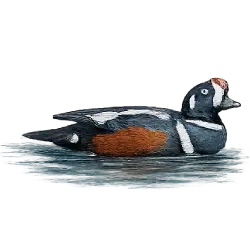
Harlequin Duck (Histrionicus histrionicus) thumbnail image on AnimalDex

Harlequin Duck

Prinsip spesies: Rapid Mastery

Play the rapid.

Wild water becomes playable when your build understands it.

Harlequin Ducks inhabit fast-flowing streams and rough coastal waters, using compact bodies and strong swimming ability to navigate turbulent water.
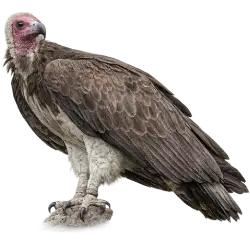
Hooded Vulture (Necrosyrtes monachus) thumbnail image on AnimalDex

Hooded Vulture

Prinsip spesies: Useful Adaptation

Find the useful opening.

Usefulness opens doors that pride would miss.

Hooded Vultures are small scavenging vultures with slim bills, often feeding around human settlements and natural carcasses in Africa.

Humboldt Penguin animal lesson image on AnimalDex

Humboldt Penguin

Prinsip spesies: Current Endurance

Swim the current.

Adaptation can turn hardship into a shared route.

Humboldt Penguins swim strongly in cold coastal currents and breed in colonies along Pacific coasts.

Iridescent Shark animal lesson image on AnimalDex

Iridescent Shark

Prinsip spesies: Schooling Momentum

Flow with many.

Momentum grows when individual motion joins shared direction.

Iridescent Sharks are active schooling freshwater fish that move through open water and rely on group dynamics.

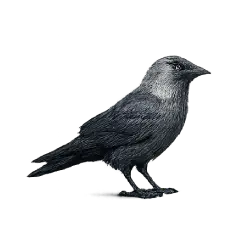
Jackdaw (Coloeus monedula) thumbnail image on AnimalDex

Jackdaw

Prinsip spesies: Adaptation

Use the opening.

New doors open for the one willing to make a home where others see only gaps.

Jackdaws are social corvids that nest in cavities such as cliffs, tree holes, chimneys, ruins, and buildings. Their flexible nesting habits help them live close to human structures as well as wild places.

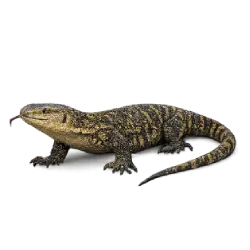
Mangrove Monitor (Varanus indicus) thumbnail image on AnimalDex

Mangrove Monitor

Prinsip spesies: Edge Versatility

Work every edge.

Many paths open for the body fluent in mud, water, and bark.

Mangrove Monitors are semi-aquatic monitor lizards that swim, climb, forage along mangroves and shorelines, and eat a wide variety of prey.

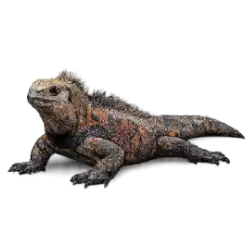
Marine Iguana (Amblyrhynchus cristatus) thumbnail image on AnimalDex

Marine Iguana

Prinsip spesies: Sea Adaptation

Learn the sea.

Even a creature of stone can learn the sea when survival asks it to.

Marine Iguanas are the only marine lizards. They swim and dive to graze algae and use nasal salt glands to expel excess salt after feeding in the ocean.

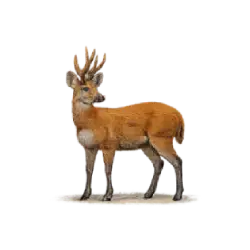
Marsh Deer animal lesson image on AnimalDex

Marsh Deer

Prinsip spesies: Marsh Passage

Cross the wet grass.

The right shape turns flooded ground into a road.

Marsh Deer are wetland deer with long legs and splayed hooves that help them move through marshes, flooded grasslands, and aquatic vegetation.

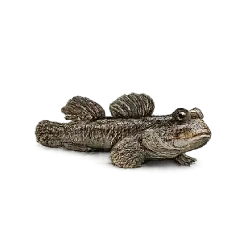
Mudskipper (Periophthalmus argentilineatus) thumbnail image on AnimalDex

Mudskipper

Prinsip spesies: Threshold

Stand between worlds.

Power appears where two worlds meet and neither one owns you completely.

Mudskippers are amphibious fish that use strong pectoral fins, skin and gill adaptations, and mudflat behavior to move and feed between water and land.

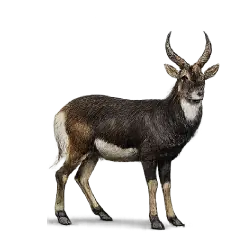
Nile Lechwe (Kobus megaceros) thumbnail image on AnimalDex

Nile Lechwe

Prinsip spesies: Marsh Footing

Run the marsh.

The right feet make waterlogged ground feel like home.

Nile Lechwe are wetland antelope adapted to swamps and floodplains, with elongated hooves and strong legs for moving through shallow water.

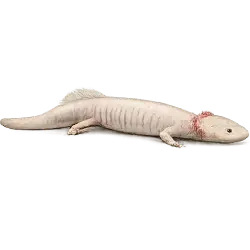
Olm (Proteus anguinus) thumbnail image on AnimalDex

Olm

Prinsip spesies: Cave Adaptation

Learn the dark water.

A strange world becomes livable when the senses change to meet it.

Olms are cave-dwelling salamanders with reduced eyes, pale skin, and sensory adaptations for life in dark subterranean waters.

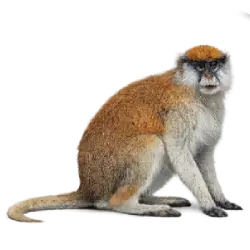
Patas Monkey (Erythrocebus patas) thumbnail image on AnimalDex

Patas Monkey

Prinsip spesies: Ground Speed

Run the grassland.

A new landscape rewards the body willing to change how it moves.

Patas Monkeys are unusually terrestrial and fast-running primates, adapted to open savanna and grassland habitats more than dense canopy life.

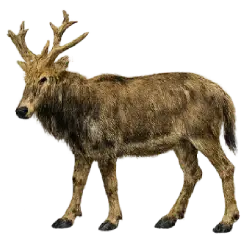
Pere David's Deer animal lesson image on AnimalDex

Pere David's Deer

Prinsip spesies: Wetland Build

Fit the marsh.

Unusual ground becomes possible when the body was shaped for it.

Père David's Deer are adapted to wetland habitats with long legs, broad hooves, swimming ability, and comfort in marshy ground.

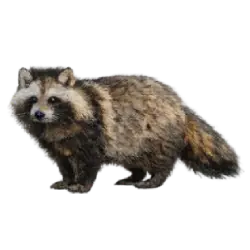
Raccoon Dog (Nyctereutes procyonoides) thumbnail image on AnimalDex

Raccoon Dog

Prinsip spesies: Seasonality

Change with winter.

Survival belongs to the one who changes pace with the season.

Raccoon Dogs are omnivorous canids with flexible diets. In cold parts of their range they may enter winter torpor, reducing activity while relying on stored fat and seasonal foraging.

Rainbow Trout animal lesson image on AnimalDex

Rainbow Trout

Prinsip spesies: Current Reading

Read the current.

Adaptation is the ability to read resistance without stopping.

Rainbow Trout live in cool flowing waters and rely on positioning, current reading, and quick feeding responses.

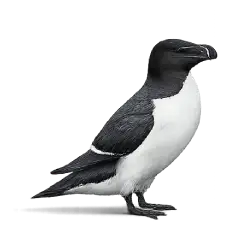
Razorbill (Alca torda) thumbnail image on AnimalDex

Razorbill

Prinsip spesies: Dual Mastery

Dive from the cliff.

Living between two worlds becomes strength when each world trains a different skill.

Razorbills nest on sea cliffs and use their wings underwater to pursue fish, moving between crowded breeding ledges and cold marine feeding grounds.

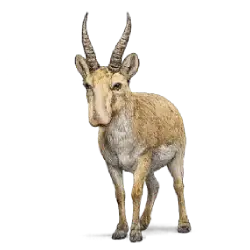
Saiga Antelope (Saiga tatarica) thumbnail image on AnimalDex

Saiga Antelope

Prinsip spesies: Harsh-Air Filtering

Breathe through the strange.

Odd features often exist because the world asked a harsh question.

Saiga Antelope have enlarged flexible noses that help filter dust and condition air during life on cold, dusty steppe environments.

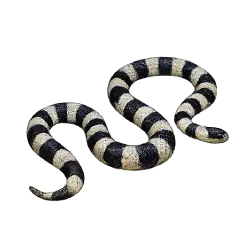
Sea Krait (Laticauda colubrina) thumbnail image on AnimalDex

Sea Krait

Prinsip spesies: Amphibious Passage

Cross the reef border.

The right body crosses the border between worlds.

Sea Kraits have paddle-like tails for swimming and still return to land for digestion, egg-laying, and rest, moving between marine and terrestrial environments.

Jelajahi indeks terkait