
Panduan lapangan hewan
Marine Iguana
Identifikasi, habitat, rarity, perilaku, simbolisme, fakta, dan pelajaran praktis dari alam.
The Seaweed Diving Lizard. The Marine Iguana uses strong claws and a salt-sneezing nose to swim out and graze seaweed from cold rocks. It reminds us that even lizards can learn the sea.
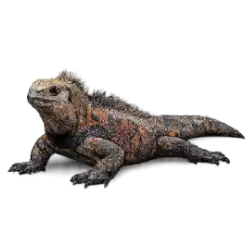
Kartu AnimalDex
Buka kartu hewan ini
Pindai atau tangkap hewan ini dengan AnimalDex untuk membuka kartu koleksi dan menambahkannya ke koleksi satwa liarmu.
Dapatkan AnimalDexNama ilmiah
Amblyrhynchus cristatus
Kategori
Reptile
Habitat
Rocky intertidal shore, lava coast, and nearby dry island scrub.
Rarity
Rare · 73/100
Native range
Endemic to the Galapagos Islands.
Sea Adaptation
Learn the sea.
Salt-Sneezing Algae Diving
Apa yang diajarkannya
Even a creature of stone can learn the sea when survival asks it to.
Coba
You move to a new country and learn the local food, transport, and rhythms before judging the place.
Bukti alam
Marine Iguanas are the only marine lizards. They swim and dive to graze algae and use nasal salt glands to expel excess salt after feeding in the ocean.
Gunakan untuk
Tangkapan Marine Iguana berperingkat
Belum ada tangkapan komunitas berperingkat untuk spesies ini.
Mengapa Sea Adaptation?
Alasan di balik Prinsip Hewan ini dan biologi yang mendukungnya.
Marine iguanas are Galapagos reptiles specialized for algae feeding along lava coasts, with flattened tails and salt-handling adaptations for life at the sea edge.
Cara mengidentifikasi Marine Iguana
- Dark blunt-headed iguana often covered in pale salt residue
- Flattened tail suited to swimming
- Low sprawling posture on black volcanic rock
Kenapa Marine Iguana menarik
- Marine iguanas are one of the clearest examples of reptiles entering a marine feeding niche.
- Their island specialization makes them biologically distinctive even among iguanas.
Habitat: Rocky intertidal shore, lava coast, and nearby dry island scrub.
Native range: Endemic to the Galapagos Islands.
To find Marine Iguana in the wild, focus on the exact habitat patches that match its body design and daily behavior, not just the broad country where it exists. You usually do better by working one good piece of habitat inside endemic to the Galapagos Islands. than by covering too much ground.
- Headlands, reef edges, island colonies, tidal channels, or productive coastal water
- Protected habitat blocks within endemic to the Galapagos Islands.
- First light and late afternoon are often best, when animals come out to feed along the edge of water.
- Check shaded cover, water points, and cooler hours, because many dry-country animals avoid peak heat.
- Warm rocks, trail edges, fallen timber, and quiet water margins are usually better than heavily disturbed ground.
Marine Iguana feeds on marine algae scraped from rocks, especially in intertidal and shallow water. The diet supports Sea Adaptation because the animal is not just eating available food; it is using the food source that makes its principle practical in its own world.
Day-active, warming on black lava between cold-water feeding trips so a reptile body can repeatedly borrow strength from sun and sea.
Often around 10 to 15 years, sometimes longer; Sea Adaptation becomes a repeated negotiation with cold water, salt, hunger, and heat.
Females dig nests in sand or ash above the shore, leaving eggs to begin life on land before the young face a coastline of lava and waves.
Males are larger and may become more colorful during breeding season, while both sexes share the deeper lesson of learning an element lizards were not expected to use.
- Feeds on marine algae in the intertidal zone and shallow water
- Warms on dark lava after cold foraging sessions
- Sneezes out excess salt through nasal glands
Marine Iguana most often symbolizes sea adaptation in AnimalDex because its real survival behavior repeatedly shows this pattern.
Even a creature of stone can learn the sea when survival asks it to.
Marine Iguanas are the only marine lizards. They swim and dive to graze algae and use nasal salt glands to expel excess salt after feeding in the ocean.
- Stay on marked lava paths and do not step through basking groups.
- Keep shoreline approaches slow because cold animals need clear recovery space.
- Land iguana
- Dark rock shadow formations
- Large lizard silhouette on basalt
statsTitle
statsDescription
statsSourceLabel: statsSourceSpeciesProfile
dominanceStat
60
speedStat
31
sizeStat
47
intelligenceStat
26
rarityStat
73%
Total
237
Size scale
Large
Uses the canonical size stat for consistent placement



US$220 – US$458
Perkiraan rentang nilai
Kepercayaan 69%
Perkiraan nilai AnimalDex dibuat dari stat spesies kanonik.
Not a marketplace listing.
Perkiraan nilai berdasarkan hewan yang teridentifikasi dan konteks harga yang tersedia. Bukan daftar marketplace.
Seberapa langka Marine Iguana?
Rarity: Rare (73/100)
Marine iguanas are restricted to one archipelago and remain sensitive to El Niño events, disturbance, and introduced threats.
Systems Intelligence & Hidden Purpose
Sudut pandang systems biology untuk melihat bagaimana spesies ini dibangun, peran apa yang dijalankannya di ekosistem, dan pelajaran praktis apa yang bisa dipetik manusia.
System Role
The Tidal Algae Harvester
Marine Iguana
Specialized Hardware
Salt-expelling nasal glands, laterally compressed tail, and dark heat-absorbing skin make marine iguanas shoreline hardware built for cold surf grazing.
Systems Script
Marine iguanas convert intertidal algae into reptile biomass in a niche most lizards cannot touch. They prove that evolutionary design can turn a rocky hazard zone into a dependable feeding lane.
Strategic Insight
If a resource looks unusable to everyone else, specialized handling can turn it into your home field.
Public Animal Power
Explore this Animal Power
This is a public capture, so you can explore its Animal Power here. Personal Apex matches and challenges use your Wild Profile and animals you own.
Own an animal with this power to use it in Growth challenges.
Hewan terkait
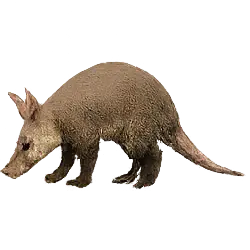
Aardvark
The aardvark is a nocturnal African mammal known for its long snout, strong digging…
Baca panduan spesies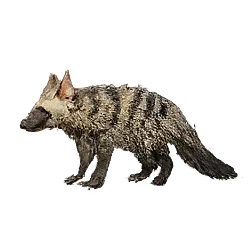
Aardwolf
The aardwolf is a small striped relative of hyenas that feeds mainly on termites rather…
Baca panduan spesies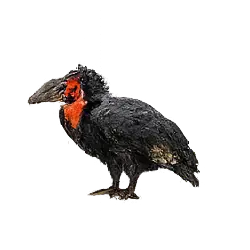
Abyssinian Ground Hornbill
Abyssinian Ground Hornbill is a bird known for bare red facial skin, huge…
Baca panduan spesiesLebih banyak hewan dengan kekuatan Adaptation
Jelajahi semua hewan Adaptation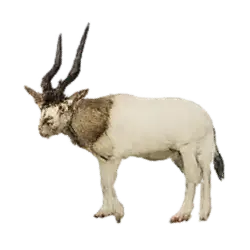
Addax
Addax is a mammal known for pale desert coat, wide spreading hooves, and slow-energy…
Baca panduan spesies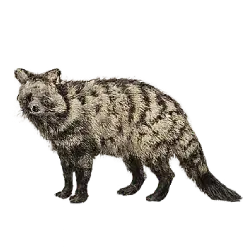
African Civet
African Civet is a mammal known for bold black-and-white pattern, night-active…
Baca panduan spesies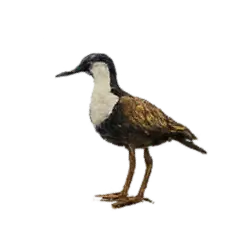
African Jacana
African Jacana is a bird known for extremely long spreading toes, chestnut and black…
Baca panduan spesiesBawa ensiklopedia ke dunia nyata
AnimalDex membantumu memindai hewan nyata, mengidentifikasi spesies, mengoleksi kartu, dan belajar dari alam di mana pun kamu berada.