AnimalDex
en
Open menu
Back to Principles

Behavioral Principles

Endurance

Sustain effort. Win over time.

10 species

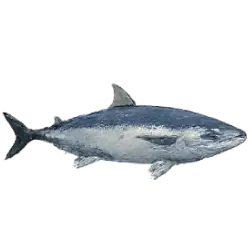
Bluefin Tuna (Thunnus thynnus) thumbnail image on AnimalDex

Bluefin Tuna

Sustain effort. Win over time.

When the arena is huge, endurance and routing intelligence outperform short bursts of brilliance.

Streamlined body, powerful red muscle, and heat-conserving circulation make bluefin tuna long-range pursuit hardware for open water. Bluefin tuna connect distant ocean regions through migration and predation, converting speed into access across enormous marine grids. Their operating model is scale, stamina, and relentless directional efficiency.
Open animal page
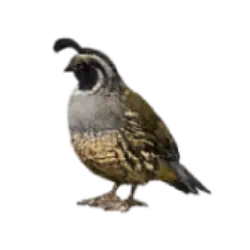
California Quail (Callipepla californica) thumbnail image on AnimalDex

California Quail

Sustain effort. Win over time.

Small systems stay safer when distance to shelter stays short.

curled head plume, ground-running covey life, and quick burst flight give the California Quail a body plan tuned for its niche. California Quails operate through scrub, chaparral, woodland edge, and dry grassy cover Their design links movement, shelter, and feeding into one workable survival system.

Open animal page
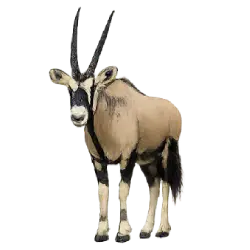
Gemsbok (Oryx gazella) thumbnail image on AnimalDex

Gemsbok

Sustain effort. Win over time.

Hard places reward systems that waste very little.

spear-straight horns, heat-ready desert body, and long-distance dryland endurance give the Gemsbok a body plan tuned for its niche. Gemsboks operate through desert, semi-desert plain, and arid grassland Their design links movement, shelter, feeding, and survival into one workable system.

Open animal page
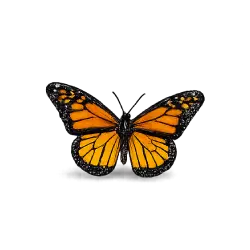
Monarch Butterfly (Danaus plexippus) thumbnail image on AnimalDex

Monarch Butterfly

Sustain effort. Win over time.

You can build long-range continuity when each stage inherits direction, not just momentum.

Long-distance flight efficiency, sun-compass orientation, and milkweed-linked chemical defense make monarchs migration hardware spread across multiple life stages. Monarchs stitch continents together through pollination, herbivory, and migration timing. Their life cycle demonstrates that a system can exceed one lifespan if the rules persist across generations.

Open animal page
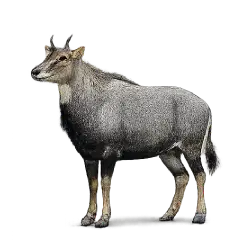
Nilgai (Boselaphus tragocamelus) thumbnail image on AnimalDex

Nilgai

Sustain effort. Win over time.

Distance feels smaller when the body is built to cover ground efficiently.

tall horse-like body, blue-gray coat on males, and fast dry-country stride give the Nilgai a body plan tuned for its niche. Nilgais operate through dry forest, scrub, farmland edge, and grassland Their design links movement, shelter, feeding, and survival into one workable system.

Open animal page
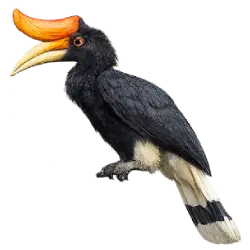
Rhinoceros Hornbill (Buceros rhinoceros) thumbnail image on AnimalDex

Rhinoceros Hornbill

Sustain effort. Win over time.

Do not separate logistics from infrastructure. If the nesting platform disappears, the delivery system goes with it.

A heavy fruit-handling bill, strong flight, and dependence on giant cavity trees make rhinoceros hornbills distribution hardware for mature tropical forest. Hornbills move seeds across large canopy distances and tie reproduction directly to old trees. They are part courier network, part forest continuity alarm.

Open animal page
Sea Turtle (Chelonioidea) thumbnail image on AnimalDex

Sea Turtle

Sustain effort. Win over time.

In Sea Turtle, endurance creates a repeatable survival edge when conditions are uncertain.

Sea Turtle is a reptile known for flipper-shaped limbs, streamlined marine shell, and long-distance ocean navigation. open ocean, seagrass meadow, coral reef, and nesting beach Sea Turtle can still be found in good habitat, but local numbers shift when open ocean, seagrass meadow, coral reef, and nesting beach changes.

Open animal page
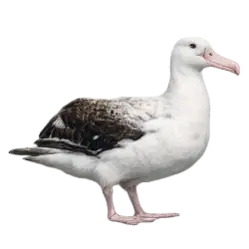
Wandering Albatross (Diomedea exulans) thumbnail image on AnimalDex

Wandering Albatross

Sustain effort. Win over time.

Learn the currents first. Systems that ride existing energy go farther on less.

Extreme wingspan and dynamic soaring control make albatrosses atmospheric energy-harvesting hardware for long-range ocean movement. Albatrosses convert wind structure into global-scale foraging reach, linking isolated marine resources across vast distances. They are proof that motion efficiency can outcompete raw exertion by orders of magnitude.

Open animal page
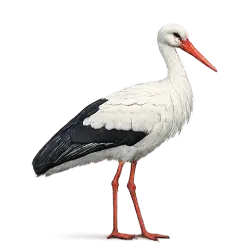
White Stork (Ciconia ciconia) thumbnail image on AnimalDex

White Stork

Sustain effort. Win over time.

A strong home base helps long-range systems keep returning.

long red legs and bill, broad thermal-soaring wings, and nesting on high structures give the White Stork a body plan tuned for its niche. White Storks operate through wet meadow, farmland, marsh edge, and migration corridor Their design links movement, shelter, and feeding into one workable survival system.

Open animal page
Yak (Bos grunniens) thumbnail image on AnimalDex

Yak

Sustain effort. Win over time.

A strong system is the one that keeps working where other systems lose energy.

Long shaggy coat hanging low, heavy horns and sturdy body, and built for cold windy plateaus give the Yak a body plan tuned for its niche. Yaks operate in high plateau grassland, alpine steppe, and mountain pasture. Their design helps them match food access, shelter, and timing inside that environment.

Open animal page

Explore related indexes