

How Termites Build Living Infrastructure
A systems guide to termite behavior, mound engineering, survival strategy, ecosystem role, and why termites matter far beyond being decomposers.
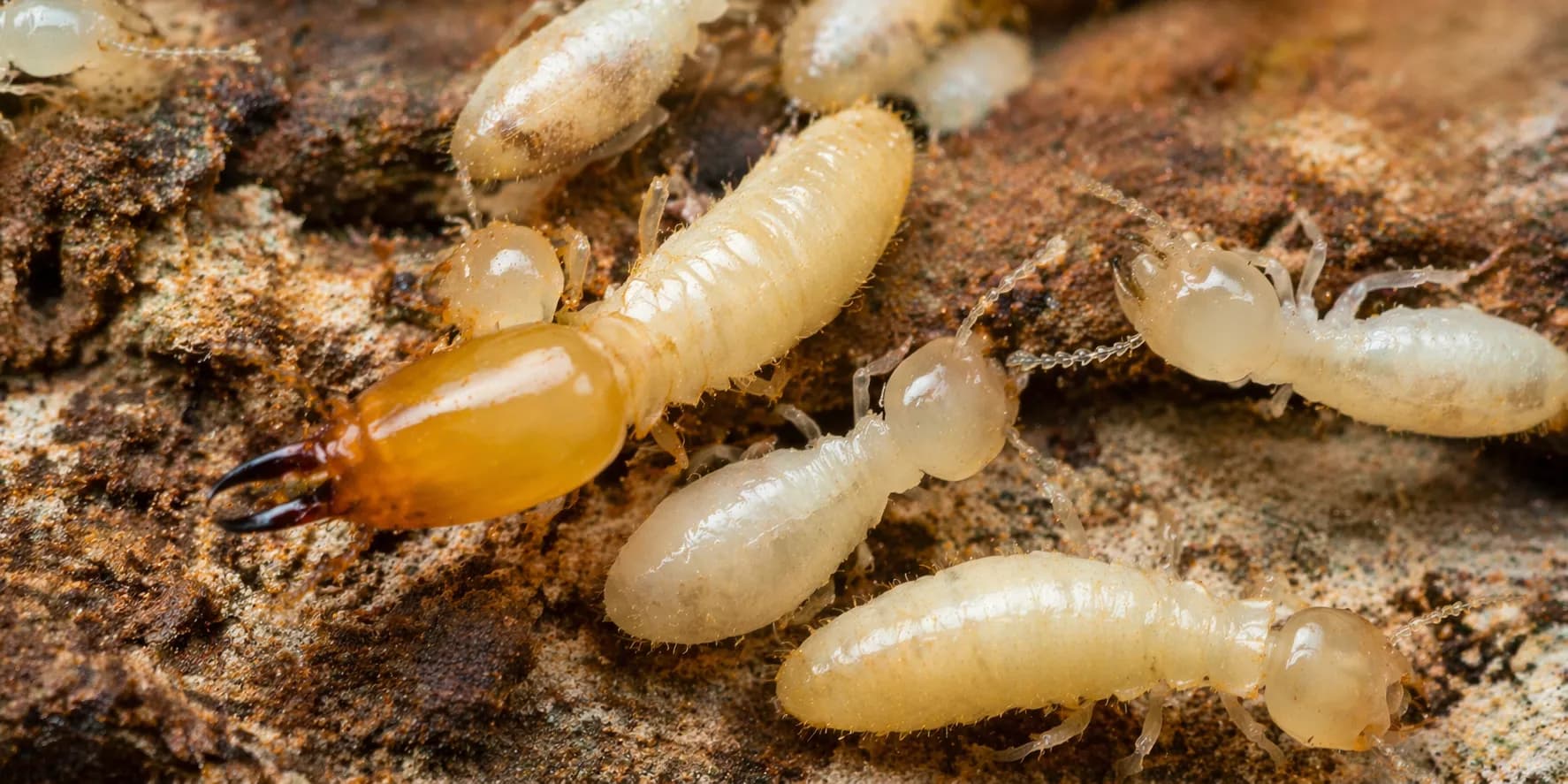
Why termites deserve more respect than they usually get
Termites are easy to reduce to a pest story, but ecologically they are one of the more impressive infrastructure systems on land. They process difficult material, regulate mound conditions, and keep nutrients moving.
That makes them important for both systems biology and environmental design conversations.
What makes a termite unique?
Termites combine caste specialization, microbe-assisted digestion, and architecture that helps regulate temperature and moisture. Few animals integrate processing and building so tightly.
The colony works because the labor system and the environmental hardware support each other. Digestion, defense, ventilation, and construction are not separate departments.
How termites survive
Termite survival depends on converting low-grade plant material into usable energy while keeping colony conditions stable enough for the whole system to function.
That means their animal behavior is less about visible drama and more about relentless maintenance. The colony survives because the internal environment is kept within workable limits.
The ecosystem role of termites
Termites recycle dead plant matter, aerate soil, reshape nutrient availability, and create habitat conditions other organisms can exploit. Their ecosystem role is part decomposition engine and part environmental construction crew.
In many landscapes, remove termites and you do not just lose decomposers. You lose a chunk of the soil and structure management layer.
What humans can learn from termites
Termites are a strong reminder that valuable systems often work on the material everyone else ignores. Waste is frequently just unprocessed input.
The second lesson is architectural: when structure helps regulate the environment, the whole operation becomes easier to sustain.
Systems Intelligence & Hidden Purpose
See these animals as engineered biological systems: what they are built to do, how they fit the wider environment, and what their design can teach us.
System Role
The Cellulose Conversion Factory
Termite
Specialized Hardware
Microbe-assisted digestion, caste-based labor specialization, and climate-regulating mound architecture allow termites to process material most animals cannot use directly.
Systems Script
Termites convert dead plant matter into accessible nutrients, aerate soils, and build structures that alter temperature, moisture, and habitat availability for other organisms. They are infrastructure builders disguised as insects.
Strategic Insight
Some of the best systems create value by turning low-grade input into usable output. Waste is often just a resource without the right processing stack.
Animals mentioned
Jump from this article into the species pages behind the examples, systems notes, and field-guide references.
Answer guides related to this topic
If you want direct comparisons and clear recommendations, continue with these answer-focused pages.
Best Animal Identification App
Looking for the best animal identification app? Learn how AnimalDex combines AI scanning, collecting, rarity tracking, and field-guide learning in one app.
Read answer guideWhat Is Animal Collecting
Learn what animal collecting means in modern apps and how AnimalDex turns real-world sightings into cards, sets, rarity, and species learning.
Read answer guidePokemon-Like Animal App
Looking for a Pokemon-like animal app with real species? AnimalDex combines creature-collection energy with AI scanning and wildlife learning.
Read answer guideTurn what you learn into a real animal collection
Keep going in AnimalDex with the species behind this guide, real-world sighting context, and a collection that grows beyond the article.
Related guides
Indus River Dolphin Symbolism: Blind Observation, River Wisdom & Hidden Navigation
Explore Indus river dolphin symbolism through blind echolocation, river navigation, endangered status, and the archetype of seeing without eyes.
Read articleSnowy Owl Symbolism: Arctic Observation, Silent Wisdom & Patient Sight
Explore snowy owl symbolism through Arctic hunting, silent flight, patient observation, and the archetype of wisdom that waits in stillness.
Read articleBlue-ringed Octopus Symbolism: Warning Beauty, Deadly Observation & Hidden Precision
Explore blue-ringed octopus symbolism through aposematic coloration, tetrodotoxin, and the archetype of beauty that warns.
Read article