AnimalDex Tier Lists

Animal tier lists built for real biology, clear methodology, and useful context

Explore structured AnimalDex animal tier lists for speed, strength, intelligence, danger, bite force, and more with direct answers, methodology, and links into species and comparison pages.

  • Evidence-informed rankings
  • Transparent methodology
  • Species-level comparisons

25 tier lists

Animals with the Highest Mating Drive: Top 10 Ranked ranking page on AnimalDex
ReproductionApr 12, 2026

Animals with the Highest Mating Drive: Top 100 Tier List

A structured ranking of animals with the highest mating drive, balancing mating frequency, reproductive intensity, courtship persistence, and how central breeding behavior is to the animal's life strategy.

Ranked species
100
Method
Reproduction signals
View ranking
Ugliest Animals in the World: Top 10 Ranked ranking page on AnimalDex
ReputationApr 12, 2026

Ugliest Animals in the World: Top 100 Tier List

A structured ranking of the animals humans most often call ugly, balancing unusual facial structure, exposed skin, body proportions, and how strongly the species triggers an 'ugly' reaction in popular culture.

Ranked species
100
Method
Reputation signals
View ranking
Rarest Animals in the World: Top 10 Ranked ranking page on AnimalDex
RarityApr 12, 2026

Rarest Animals in the World: Top 250 Tier List

A structured ranking of the rarest animals in the world, blending scarcity, vulnerability, and conservation pressure to answer the overlap between rarest and most endangered wildlife.

Ranked species
250
Method
rarity stat
View ranking

How AnimalDex rankings work

Different tier lists use different biological signals. Recorded speed, relative strength, body size, bite-force estimates, observed cognition, and documented risk are useful, but they are not directly interchangeable.

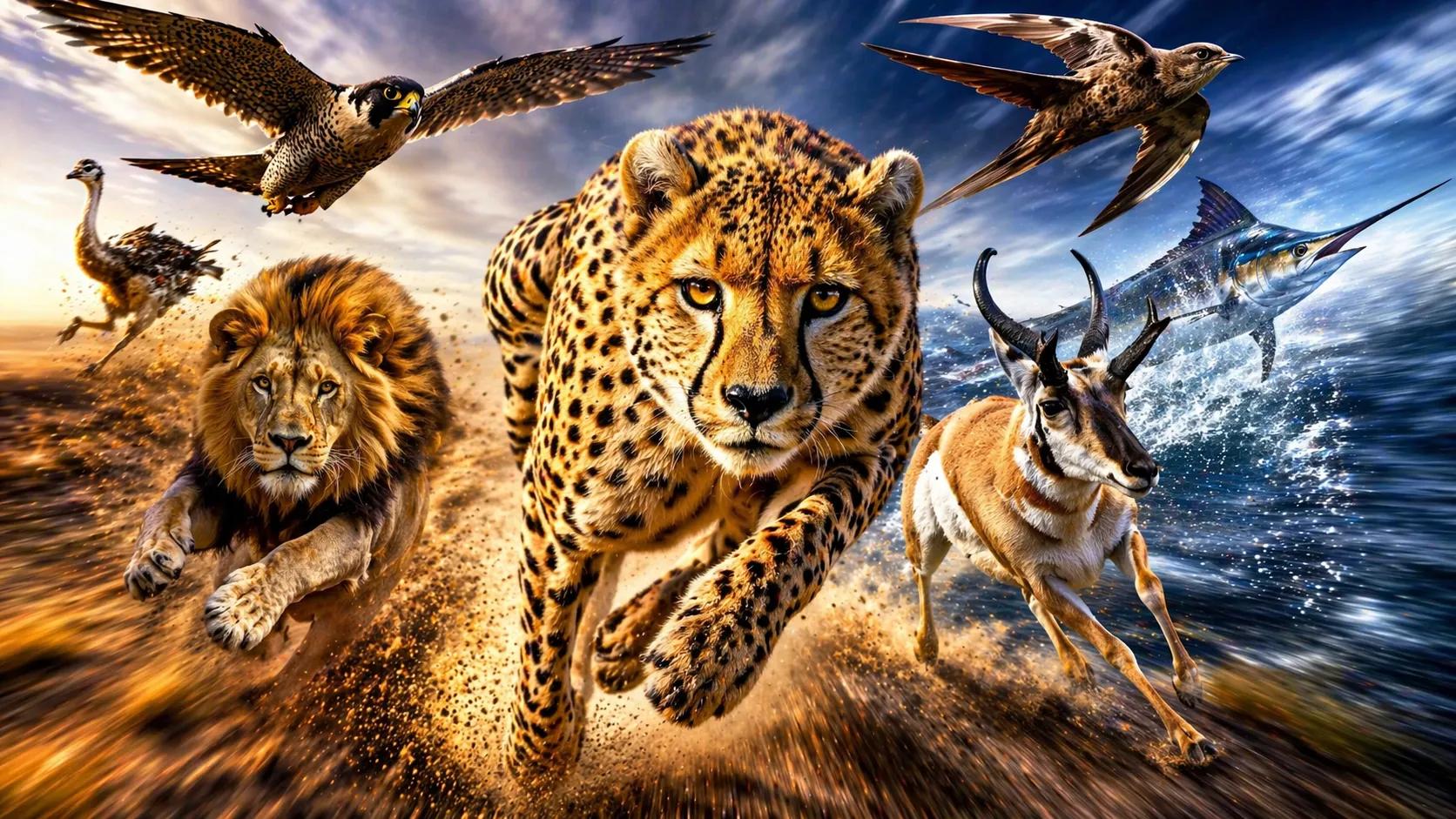
Recorded speed is separated by movement context when air, land, and water performance are not comparable.

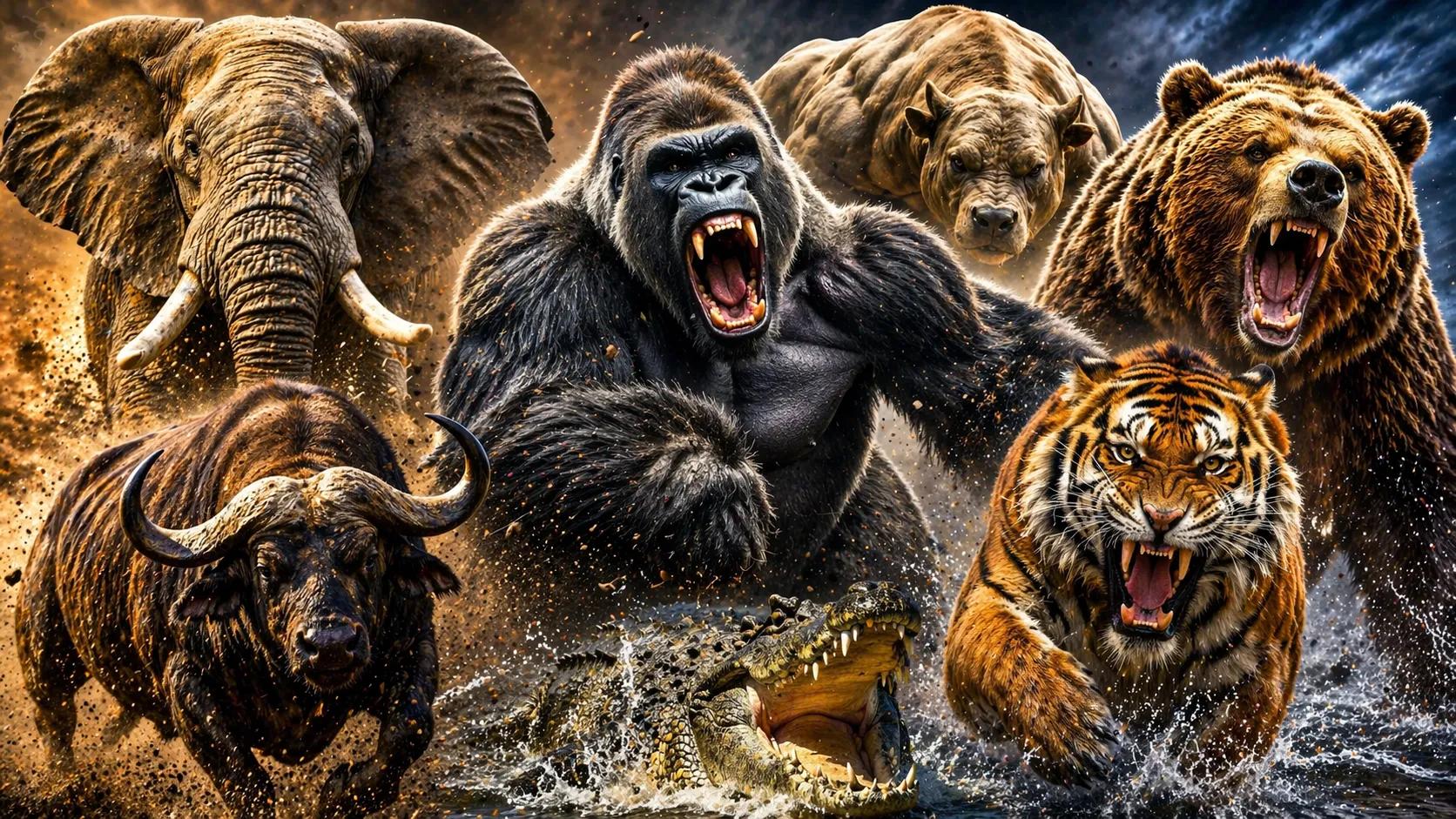
Relative strength considers body scale, force delivery, and real ecological use.

Body mass, length, height, and practical field-guide scale can point to different answers.

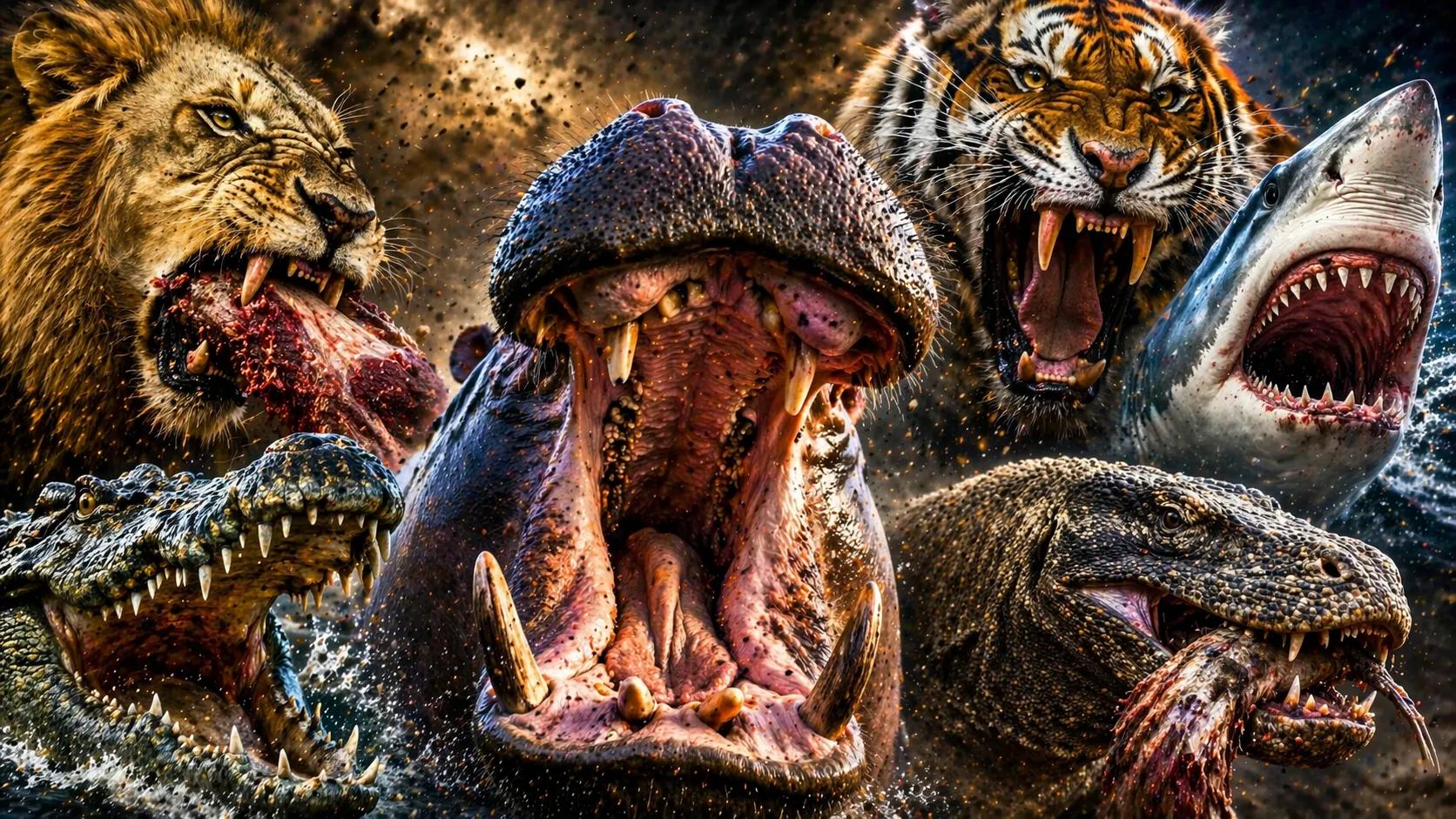
Bite-force estimates are treated as category evidence, not as a universal danger score.

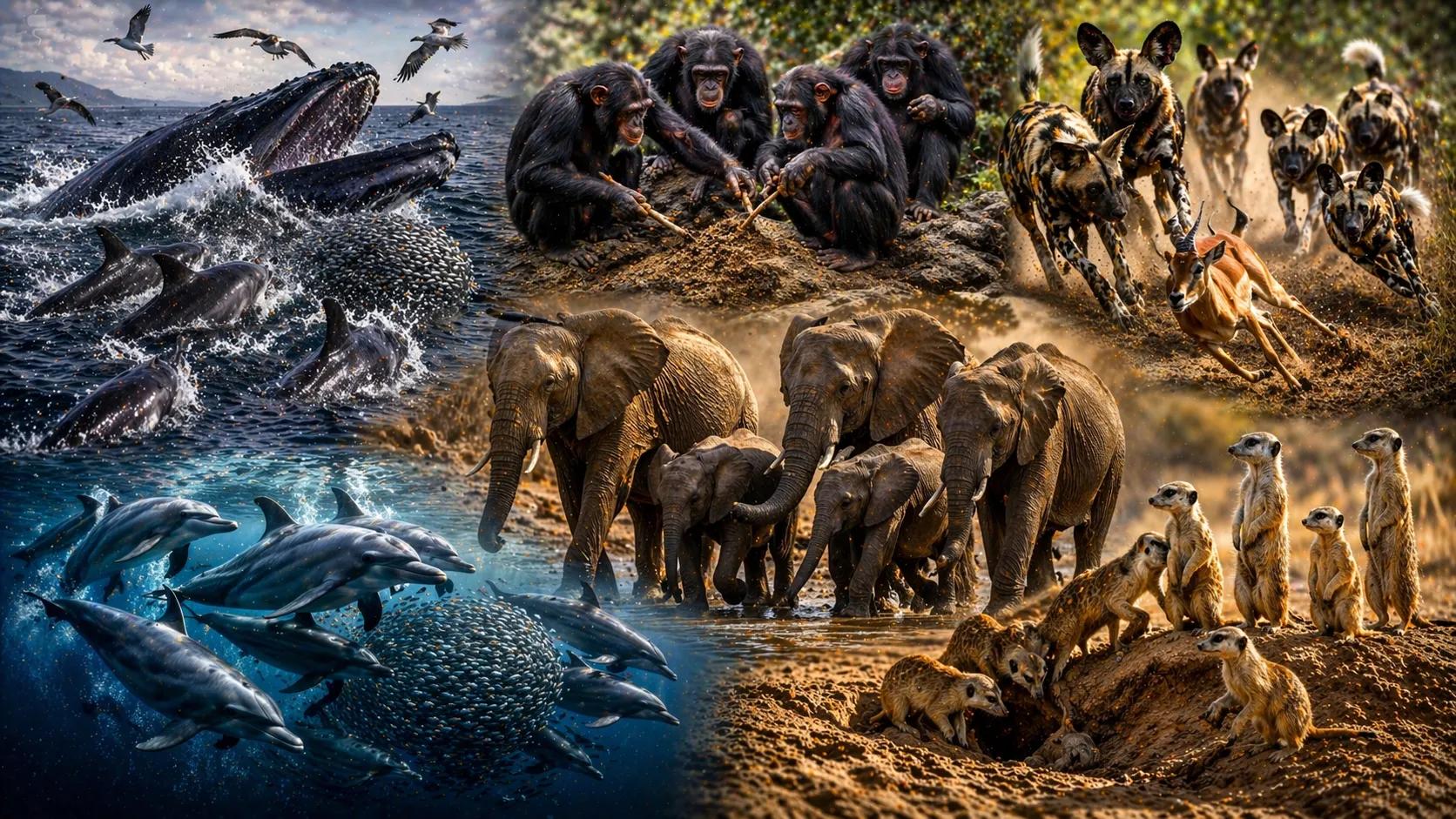
Observed cognition can include problem solving, communication, memory, and tool use.

Documented risk to humans depends on encounter context, region, and exposure.

Explore more AnimalDex references