

How Termites Build Living Infrastructure
A systems guide to termite behavior, mound engineering, survival strategy, ecosystem role, and why termites matter far beyond being decomposers.
Listen to this story
Hear the full article read aloud.
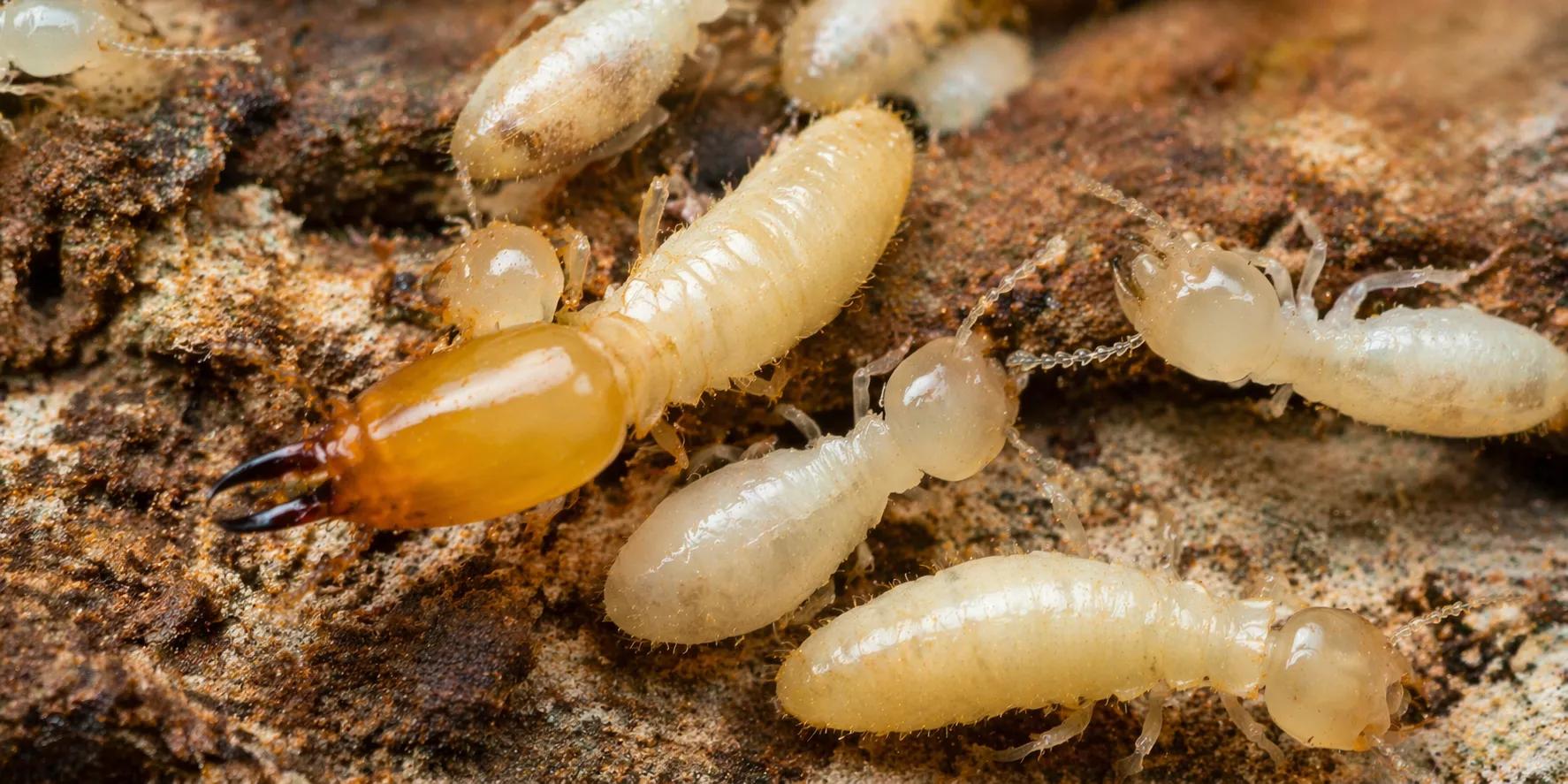
Why termites deserve more respect than they usually get
Termites are easy to reduce to a pest story, but ecologically they are one of the more impressive infrastructure systems on land. They process difficult material, regulate mound conditions, and keep nutrients moving.
That makes them important for both systems biology and environmental design conversations.
What makes a termite unique?
Termites combine caste specialization, microbe-assisted digestion, and architecture that helps regulate temperature and moisture. Few animals integrate processing and building so tightly.
The colony works because the labor system and the environmental hardware support each other. Digestion, defense, ventilation, and construction are not separate departments.
How termites survive
Termite survival depends on converting low-grade plant material into usable energy while keeping colony conditions stable enough for the whole system to function.
That means their animal behavior is less about visible drama and more about relentless maintenance. The colony survives because the internal environment is kept within workable limits.
The ecosystem role of termites
Termites recycle dead plant matter, aerate soil, reshape nutrient availability, and create habitat conditions other organisms can exploit. Their ecosystem role is part decomposition engine and part environmental construction crew.
In many landscapes, remove termites and you do not just lose decomposers. You lose a chunk of the soil and structure management layer.
What humans can learn from termites
Termites are a strong reminder that valuable systems often work on the material everyone else ignores. Waste is frequently just unprocessed input.
The second lesson is architectural: when structure helps regulate the environment, the whole operation becomes easier to sustain.
Systems Intelligence & Hidden Purpose
Lihat hewan-hewan ini sebagai sistem biologis yang dirancang dengan presisi: apa fungsinya, bagaimana ia bekerja di lingkungan, dan apa yang bisa kita pelajari dari desainnya.
Specialized Hardware
Microbe-assisted digestion, caste-based labor specialization, and climate-regulating mound architecture allow termites to process material most animals cannot use directly.
Systems Script
Termites convert dead plant matter into accessible nutrients, aerate soils, and build structures that alter temperature, moisture, and habitat availability for other organisms. They are infrastructure builders disguised as insects.
Strategic Insight
Some of the best systems create value by turning low-grade input into usable output. Waste is often just a resource without the right processing stack.
Hewan yang disebut
Lompat dari artikel ini ke halaman spesies di balik contoh, catatan systems, dan referensi field guide.
Panduan jawaban terkait topik ini
Kalau kamu ingin perbandingan langsung dan rekomendasi yang jelas, lanjutkan ke halaman jawaban berikut.
Best Animal Identification Apps
Compare the best animal identification apps by features like photo/video identification, species coverage, collection capabilities, offline use, and more.
Baca answer guideWhat Is Animal Collecting
Learn what animal collecting means in modern apps and how AnimalDex turns real-world sightings into cards, sets, rarity, and species learning.
Baca answer guidePokemon-Like Animal App
Looking for a Pokemon-like animal app with real species? AnimalDex combines creature-collection energy with AI scanning and wildlife learning.
Baca answer guideUbah apa yang kamu pelajari jadi koleksi hewan nyata
Lanjutkan di AnimalDex dengan spesies di balik panduan ini, konteks spotting dunia nyata, dan koleksi yang terus tumbuh setelah artikel selesai dibaca.
Panduan terkait
Biomimicry in Animals: 35 Examples of Nature-Inspired Design
Discover 35 examples of biomimicry in animals, from shark skin and gecko feet to owl wings, elephant trunks, whale fins, spider silk, dolphins, ants, bees, and more.
Baca artikelHow Wildlife Photographers Can Build a Digital Species Collection
Turn field photos into a species-indexed AnimalDex collection. Live captures become cards you can search, compare, and keep building — without treating the camera roll as the archive.
Baca artikelCan Wildlife Photography Make Money? Realistic Ways Photographers Earn
Wildlife photography income is usually a mix of licensing, assignments, teaching, and guiding — not an app payout. Here is where AnimalDex fits without pretending it replaces a career.
Baca artikel