
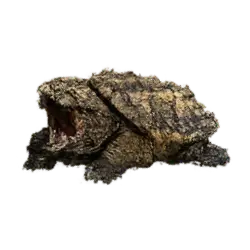
Alligator Snapping Turtle
Species principle: Attraction
Attract. Don't chase.
Build a system that makes opportunity come to you.
It waits still with a worm-like tongue lure instead of chasing prey.

Behavioral Principles
Attract. Don't chase.
Animals grouped here share a similar survival strategy in nature. Each species still has its own lesson, meaning, and field-guide page.
44 species
Species principle: Attraction
Attract. Don't chase.
Build a system that makes opportunity come to you.
It waits still with a worm-like tongue lure instead of chasing prey.

Species principle: Stealth
Lower signal. Increase leverage.
In Anglerfish, stealth creates a repeatable survival edge when conditions are uncertain.
Anglerfish is a fish known for bioluminescent lure appendage, wide expandable jaw, and ambush sit-and-wait hunting style. deep sea benthic zones, continental slopes, and dark pelagic layers Anglerfish can still be found in good habitat, but local numbers shift when deep sea benthic zones, continental slopes, and dark pelagic layers changes.

Species principle: Regeneration
Master where you are before chasing what's next.
Recover first, improve second, transform only when necessary.
Often remains in juvenile aquatic form and is famous for regeneration; thrives by developing strengths in its current state.
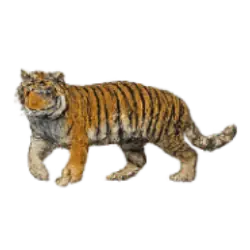
Species principle: Solitary Command
Walk alone in stripes.
Some power walks alone because the forest already knows its shape.
Bengal Tigers are solitary ambush predators that use stripes as camouflage in grass, forest, and wetland cover before making powerful close-range attacks.
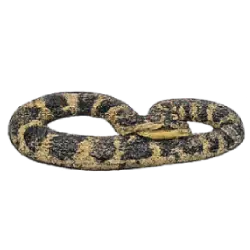
Species principle: Compression
Become the trap.
Timing matters because the whole body becomes power at once.
Boa Constrictors are ambush predators that use camouflage, striking, and muscular constriction to restrain prey with their entire bodies.
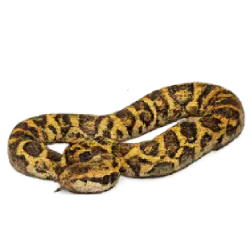
Species principle: Giant Pressure
Own the coil.
One true strength, fully owned, can solve what speed cannot.
Burmese Pythons are large constrictors that use camouflage, ambush, muscular coils, and swallowing adaptations to subdue and consume large prey.
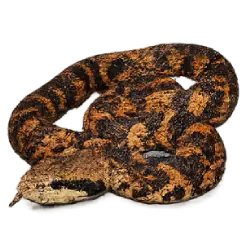
Species principle: Held Power
Hold the strike.
The greatest force may be the one waiting without announcement.
Bushmasters are large venomous pit vipers that use camouflage and stillness on rainforest floors, striking when prey comes within range.
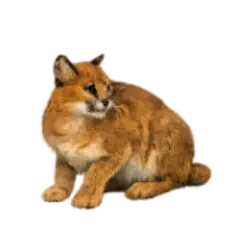
Species principle: Explosive Timing
Launch on time.
The impossible looks easy when the body releases at the exact second.
Caracals have powerful hind legs and can leap high into the air to catch birds, using sharp reflexes, strong muscles, and precise timing.
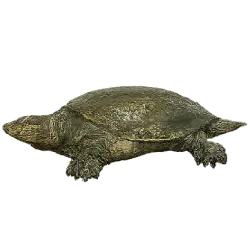
Species principle: Mud Concealment
Hide with one breath.
The quiet advantage is knowing how little of yourself must be seen.
Chinese Softshell Turtles have flat soft shells and long snorkel-like snouts, allowing them to bury in mud or sand while breathing with minimal exposure.
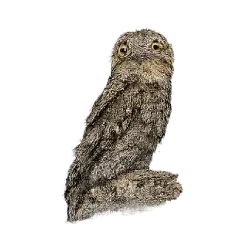
Species principle: Still Disguise
Be the branch.
Stillness becomes invisibility when the body learns the shape of its world.
Common Potoos perch upright on branches or stumps with bark-like plumage and remain extremely still, resembling broken branches during the day.
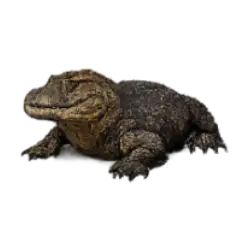
Species principle: Armored Patience
Armor the stillness.
Quiet patience becomes protection when armor holds the line.
Dwarf Caimans are small heavily armored crocodilians that inhabit forest streams, rivers, and wetlands, relying on stillness and protection.
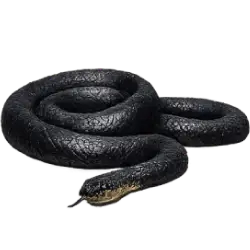
Species principle: Indigo Authority
Rule without venom.
Power can be calm enough not to need venom.
Eastern Indigo Snakes are large nonvenomous snakes that actively hunt many prey types, including other snakes, and often use gopher tortoise burrows for shelter.
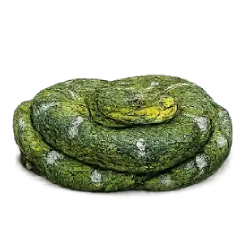
Species principle: Branch Patience
Coil into green.
Patience deepens when the body becomes part of the branch.
Emerald Tree Boas coil over branches in rainforest canopies and use stillness, camouflage, and ambush strikes to capture prey.
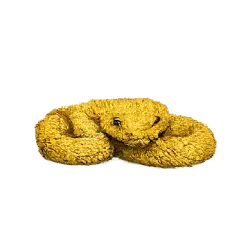
Species principle: Eyelash Disguise
Hide in lashes.
Decoration can become concealment.
Eyelash vipers use variable coloration and raised eyelash-like scales to blend into branches and vegetation while ambushing prey.
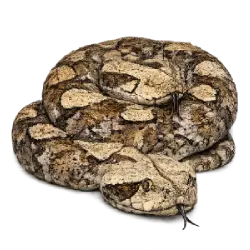
Species principle: Hidden Magnitude
Hide the fang.
Stillness can hide more power than movement can explain.
Gaboon Vipers use leaf-pattern camouflage, heavy bodies, extremely long fangs, potent venom, and ambush behavior on the forest floor.
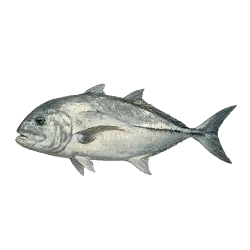
Species principle: Explosive Power
Release the burst.
Stored power matters most when released at the exact opening.
Giant Trevallies are powerful reef predators known for fast explosive attacks on schooling fish and other prey in lagoons, reefs, and open water.
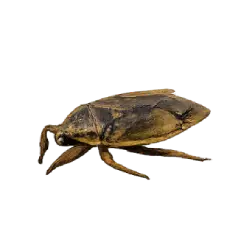
Species principle: Ambush Grip
Grip from below.
Patience turns to advantage when the grip is ready before the prey arrives.
Giant Water Bugs are aquatic ambush predators with powerful raptorial forelegs that seize fish, tadpoles, insects, and other prey from underwater cover.
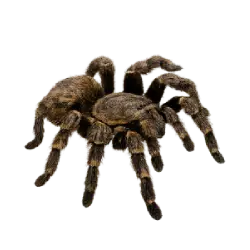
Species principle: Intimidation
Make approach costly.
Sometimes survival begins by making the approach itself uncomfortable.
Goliath Birdeaters are very large tarantulas that can defend themselves by rubbing urticating hairs from the abdomen, creating irritation for threats, along with threat postures and large fangs.
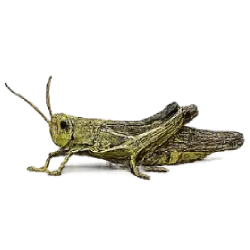
Species principle: Readiness
Load the leap.
The leap works because the body was prepared before danger arrived.
Grasshoppers use enlarged hind legs to jump away from danger. This spring-like escape movement is one of their most recognizable survival behaviors.
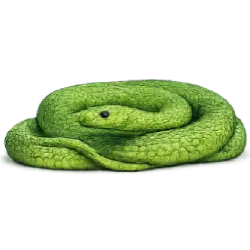
Species principle: Emerald Patience
Coil in green.
Blend into your perch until opportunity moves below.
Green tree pythons coil on branches and use green coloration to wait for prey in arboreal habitats.
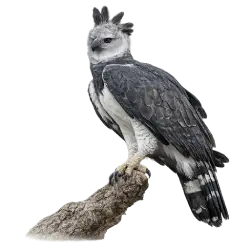
Species principle: Canopy Grip
Grip the canopy.
The whole hunt changes when the grip is strong enough to lift what others cannot.
Harpy Eagles have massive talons and powerful legs used to capture arboreal prey such as sloths and monkeys in rainforest canopies.
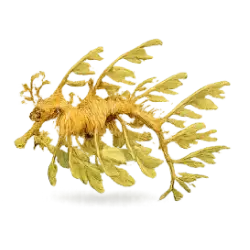
Species principle: Living Camouflage
Become the seaweed.
The deepest disguise is not hiding near the world, but becoming its shape.
Leafy Seadragons have leaf-like appendages and slow drifting movement that help them resemble floating seaweed in southern Australian waters.
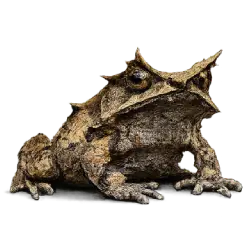
Species principle: Leaf Ambush
Wait as leaf.
Let the moment come close before spending force.
Malayan horned frogs resemble dead leaves and wait in leaf litter to ambush passing prey.
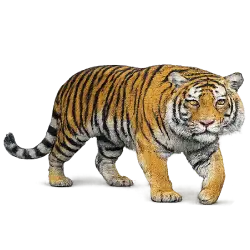
Species principle: Jungle Fit
Fit the stripe to jungle.
Power works best when it fits the place it moves through.
Malayan Tigers are tropical forest predators with striped camouflage and powerful bodies suited to stalking and ambush in dense jungle.