AnimalDex
en
Open menu
Back to Principles

Behavioral Principles

Stealth

Lower signal. Increase leverage.

43 species

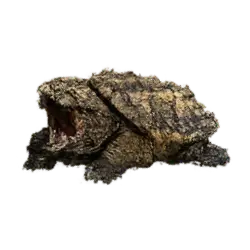
Alligator Snapping Turtle (Macrochelys temminckii) thumbnail image on AnimalDex

Alligator Snapping Turtle

Lower signal. Increase leverage.

Stillness becomes powerful when it invites the target to make the mistake for you.

Large rough shell with ridges, very powerful hooked beak, and thick head and tail give the Alligator Snapping Turtle a body plan tuned for its niche. Alligator Snapping Turtles operate in deep rivers, swamps, bayous, and slow freshwater channels. Their design helps them match food access, shelter, and timing inside that environment.

Open animal page
Anglerfish (Lophiiformes) thumbnail image on AnimalDex

Anglerfish

Lower signal. Increase leverage.

In Anglerfish, stealth creates a repeatable survival edge when conditions are uncertain.

Anglerfish is a fish known for bioluminescent lure appendage, wide expandable jaw, and ambush sit-and-wait hunting style. deep sea benthic zones, continental slopes, and dark pelagic layers Anglerfish can still be found in good habitat, but local numbers shift when deep sea benthic zones, continental slopes, and dark pelagic layers changes.

Open animal page
Axolotl (Ambystoma mexicanum) thumbnail image on AnimalDex

Axolotl

Lower signal. Increase leverage.

Some systems win not by avoiding damage entirely, but by rebuilding faster than disruption compounds.

External gills, aquatic neoteny, and unusual regenerative capacity make axolotls living hardware for low-motion survival and tissue rebuilding. Axolotls occupy cool freshwater systems where regeneration, camouflage, and patience outperform speed. They are less about domination and more about biological repair efficiency under pressure.

Open animal page
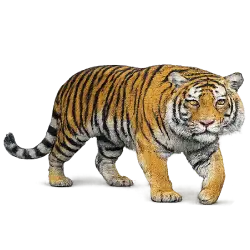
Bengal Tiger (Panthera tigris tigris) thumbnail image on AnimalDex

Bengal Tiger

Lower signal. Increase leverage.

In Bengal Tiger, stealth creates a repeatable survival edge when conditions are uncertain.

Bengal Tiger is a mammal known for broad-shouldered striped body, rich orange coat, and close-range ambush power. forest, riverine grassland, mangrove, and woodland edge Bengal Tiger is never easy to find and becomes less secure when forest, riverine grassland, mangrove, and woodland edge is reduced or broken apart.

Open animal page
Boa Constrictor (Boa constrictor) thumbnail image on AnimalDex

Boa Constrictor

Lower signal. Increase leverage.

Steady force applied at the right moment can beat frantic motion.

Heavy-bodied snake with blotched pattern, large triangular head, and strong muscular coils give the Boa Constrictor a body plan tuned for its niche. Boa Constrictors operate in forest, scrubland, savannah edge, and rocky tropical or subtropical habitats. Their design helps them match food access, shelter, and timing inside that environment.
Open animal page
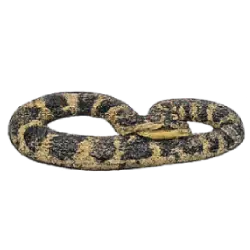
Burmese Python (Python bivittatus) thumbnail image on AnimalDex

Burmese Python

Lower signal. Increase leverage.

When power is stored in structure, movement can stay minimal until it matters.

massive muscular coils, blotched camouflage pattern, and wetland-and-forest ambush life give the Burmese Python a body plan tuned for its niche. Burmese Pythons operate through swamp, grassland, river edge, and tropical forest Their design links movement, shelter, and feeding into one workable survival system.

Open animal page
Bushmaster (Lachesis muta) thumbnail image on AnimalDex

Bushmaster

Lower signal. Increase leverage.

An unseen system can hold enormous force if position and camouflage are already doing the work.

large viper body, leaf-litter camouflage, and forest-floor ambush give the Bushmaster a body plan tuned for its niche. Bushmasters operate through humid tropical forest and dense rainforest floor Their design links movement, shelter, and feeding into one workable survival system.

Open animal page
Caracal (Caracal caracal) thumbnail image on AnimalDex

Caracal

Lower signal. Increase leverage.

Fast vertical movement can change a fight before the other side understands the angle.

Long black ear tufts, plain reddish coat, and athletic lean body give the Caracal a body plan tuned for its niche. Caracals operate in savannah, scrubland, semi-desert, and dry woodland. Their design helps them match food access, shelter, and timing inside that environment.
Open animal page
Chinese Softshell Turtle (Pelodiscus sinensis) thumbnail image on AnimalDex

Chinese Softshell Turtle

Lower signal. Increase leverage.

The simplest visible footprint can hide a much larger presence underneath.

leathery flattened shell, long snorkel-like nose, and buried ambush behavior in mud give the Chinese Softshell Turtle a body plan tuned for its niche. Chinese Softshell Turtles operate through slow river, pond, marsh, and muddy freshwater bottom Their design links movement, shelter, and feeding into one workable survival system.

Open animal page
Common Potoo (Nyctibius griseus) thumbnail image on AnimalDex

Common Potoo

Lower signal. Increase leverage.

Disappearing well can be more valuable than escaping fast.

branch-stump camouflage, giant night-adapted eyes, and still upright resting posture give the Common Potoo a body plan tuned for its niche. Common Potoos operate through woodland, forest edge, and tropical tree cover Their design links movement, shelter, and feeding into one workable survival system.

Open animal page
Dwarf Caiman (Paleosuchus palpebrosus) thumbnail image on AnimalDex

Dwarf Caiman

Lower signal. Increase leverage.

Old designs stay useful when they are scaled to the space available.

Smaller size than many crocodilians, heavy armored scales, and broad head and strong tail give the Dwarf Caiman a body plan tuned for its niche. Dwarf Caimans operate in forest rivers, creeks, blackwater channels, and swampy tropical waterways. Their design helps them match food access, shelter, and timing inside that environment.
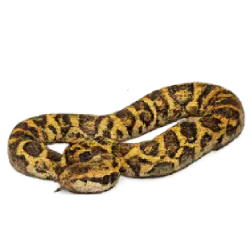
Open animal page
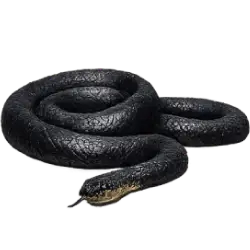
Eastern Indigo Snake (Drymarchon couperi) thumbnail image on AnimalDex

Eastern Indigo Snake

Lower signal. Increase leverage.

Confidence can come from range, awareness, and steady movement instead of ambush.

glossy blue-black scales, large nonvenomous body, and active daytime hunting give the Eastern Indigo Snake a body plan tuned for its niche. Eastern Indigo Snakes operate through pine flatwood, scrub, sandhill, and marsh edge Their design links movement, shelter, feeding, and survival into one workable system.

Open animal page
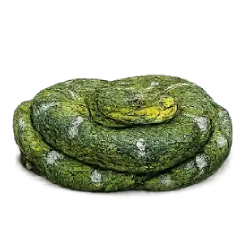
Emerald Tree Boa (Corallus caninus) thumbnail image on AnimalDex

Emerald Tree Boa

Lower signal. Increase leverage.

A system gains efficiency when rest position and attack position are almost the same thing.

Bright green body with white markings, heavy body coiled on branches, and large head with facial pits give the Emerald Tree Boa a body plan tuned for its niche. Emerald Tree Boas operate in humid tropical rainforest canopy and understory branch systems. Their design helps them match food access, shelter, and timing inside that environment.
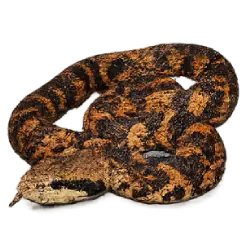
Open animal page
Eyelash Viper (Bothriechis schlegelii) thumbnail image on AnimalDex

Eyelash Viper

Lower signal. Increase leverage.

Motion matters less when position is already perfect.

eyelash-like scales above the eyes, branch-hugging ambush posture, and many color forms give the Eyelash Viper a body plan tuned for its niche. Eyelash Vipers operate through rainforest, cloud forest, and humid woodland Their design links movement, shelter, feeding, and survival into one workable system.

Open animal page
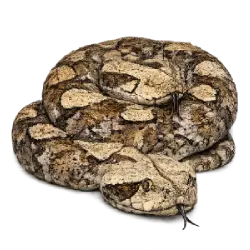
Gaboon Viper (Bitis gabonica) thumbnail image on AnimalDex

Gaboon Viper

Lower signal. Increase leverage.

When concealment is excellent, the system can afford to spend almost no energy until the exact moment arrives.

Broad triangular head, complex leaf-litter camouflage pattern, and very thick heavy body give the Gaboon Viper a body plan tuned for its niche. Gaboon Vipers operate in rainforest, moist woodland, and forest edge with deep leaf litter. Their design helps them match food access, shelter, and timing inside that environment.
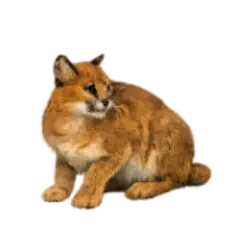
Open animal page
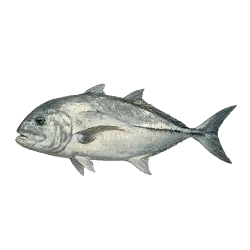
Giant Trevally (Caranx ignobilis) thumbnail image on AnimalDex

Giant Trevally

Lower signal. Increase leverage.

Where water controls movement, position and timing often matter more than speed.

deep silver predator body, explosive burst speed, and reef-edge schooling attack runs give the Giant Trevally a body plan tuned for its niche. Giant Trevallys operate through reef edge, lagoon, estuary, and tropical coastal sea. Their design links movement, feeding, shelter, and timing into one workable survival system.

Open animal page
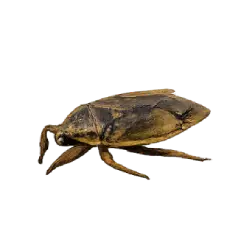
Giant Water Bug (Lethocerus americanus) thumbnail image on AnimalDex

Giant Water Bug

Lower signal. Increase leverage.

Control of the first contact can decide the whole contest.

Flattened brown aquatic body, powerful grasping front legs, and strong rear legs for swimming give the Giant Water Bug a body plan tuned for its niche. Giant Water Bugs operate in ponds, marshes, slow streams, and still freshwater habitat. Their design helps them match food access, shelter, and timing inside that environment.
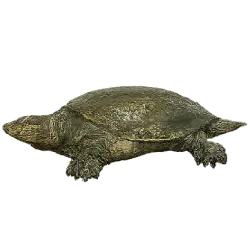
Open animal page
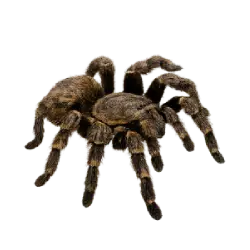
Goliath Birdeater (Theraphosa blondi) thumbnail image on AnimalDex

Goliath Birdeater

Lower signal. Increase leverage.

Even giant hunters need a safe base and a good warning system.

huge tarantula body, hair-flicking defense, and burrow-based rainforest life give the Goliath Birdeater a body plan tuned for its niche. Goliath Birdeaters operate through rainforest floor and humid tropical burrow habitat Their design links movement, shelter, feeding, and survival into one workable system.

Open animal page
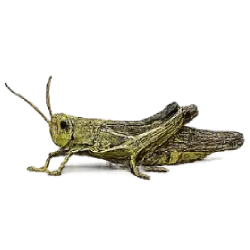
Grasshopper (Caelifera) thumbnail image on AnimalDex

Grasshopper

Lower signal. Increase leverage.

In Grasshopper, stealth creates a repeatable survival edge when conditions are uncertain.

Grasshopper is a insect known for powerful jumping hind legs, straight narrow antennae, and grassland camouflage coloration. grassland, meadow, cropland, scrub, and open field edge Grasshopper remains fairly widespread where grassland, meadow, cropland, scrub, and open field edge is still available.

Open animal page
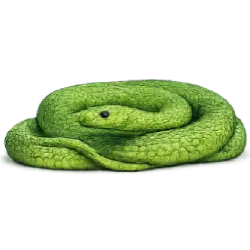
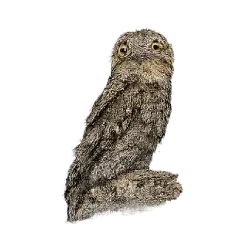
Green Tree Python (Morelia viridis) thumbnail image on AnimalDex

Green Tree Python

Lower signal. Increase leverage.

A good position can do much of the work before the movement even begins.

Bright green adult body, often rests in saddle-like branch coils, and triangular head and heat-sensing pits give the Green Tree Python a body plan tuned for its niche. Green Tree Pythons operate in tropical rainforest and woodland with sturdy branch systems. Their design helps them match food access, shelter, and timing inside that environment.
Open animal page
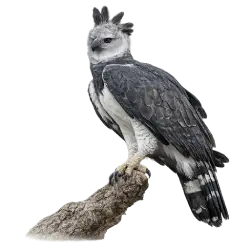
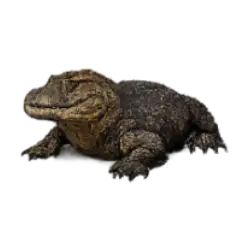
Harpy Eagle (Harpia harpyja) thumbnail image on AnimalDex

Harpy Eagle

Lower signal. Increase leverage.

The right power for a dense environment is control, not just velocity.

Massive talons and thick legs, gray body with pale underside, and raised double crest on the head give the Harpy Eagle a body plan tuned for its niche. Harpy Eagles operate in lowland tropical rainforest with tall trees and large prey access. Their design helps them match food access, shelter, and timing inside that environment.
Open animal page
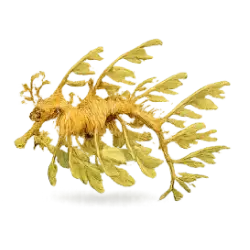
Leafy Seadragon (Phycodurus eques) thumbnail image on AnimalDex

Leafy Seadragon

Lower signal. Increase leverage.

Mimicry works best when motion matches the thing being copied.

leaf-like body ornaments, slow drifting movement, and seaweed camouflage give the Leafy Seadragon a body plan tuned for its niche. Leafy Seadragons operate through temperate reef, seagrass meadow, and kelp-linked coastal water Their design links movement, shelter, and feeding into one workable survival system.

Open animal page
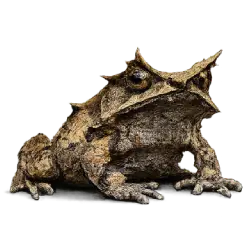
Malayan Horned Frog (Megophrys nasuta) thumbnail image on AnimalDex

Malayan Horned Frog

Lower signal. Increase leverage.

Dense environments reward precision, patience, and the ability to read layered cover.

horn-like eyelid points, leaf-litter camouflage body, and wide ambush mouth give the Malayan Horned Frog a body plan tuned for its niche. Malayan Horned Frogs operate through rainforest floor and shaded streamside leaf litter. Their design links movement, feeding, shelter, and timing into one workable survival system.

Open animal page
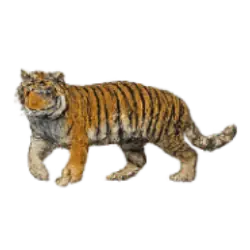
Malayan Tiger (Panthera tigris jacksoni) thumbnail image on AnimalDex

Malayan Tiger

Lower signal. Increase leverage.

In Malayan Tiger, stealth creates a repeatable survival edge when conditions are uncertain.

Malayan Tiger is a mammal known for tight striped forest coat, compact tropical-cat frame, and dense-cover ambush movement. tropical rainforest, riverine forest, and lowland woodland edge Malayan Tiger depends on a narrow or fragile habitat base, so pressure on tropical rainforest, riverine forest, and lowland woodland edge can affect it quickly.

Open animal page

Explore related indexes