

Largest Introduced and Invasive Animals in the World: Top 100 Tier List
A structured ranking of the largest introduced and invasive animals, prioritizing body size first while still accounting for how disruptive those animals can become outside their native range.
Quick answer
Start with the direct answer, then use the ranking, methodology, and context below to understand what the headline really means.
If the question is specifically about big-bodied invasive or feral animals, dromedary camel is one of the clearest headline answers. Reticulated python, sika deer, red fox, and other large or mid-sized nonnative animals follow depending on whether you emphasize raw body size or ecological disruption.
This page answers a more specific question than a normal invasive-species list. It is built for readers who care about the largest nonnative animals first, not just the most notorious small invaders.
That means body scale carries unusual weight here. A feral camel and a lionfish are both invasive stories, but they reshape systems in very different physical ways.
Tier-list table
Every tier-list table includes at least 100 ranked species, animal icons, tier labels, and links back into species pages.
| Rank | Animal | Tier | Primary metric | Why it ranks | Read species guide |
|---|---|---|---|---|---|
| #1 | 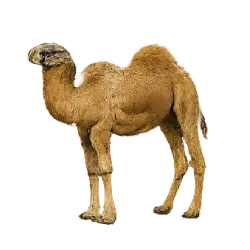 | D | Massive feral grazer footprint | Dromedary camel is the clearest large-bodied answer because feral populations can impose huge grazing, trampling, and water-use pressure at true megafauna scale. | Read species guide |
| #2 | 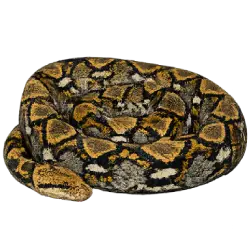 | E | Giant constrictor invasive risk | Reticulated python belongs near the top because its sheer size changes what an introduced predator can do in a warm-climate ecosystem. | Read species guide |
| #3 | 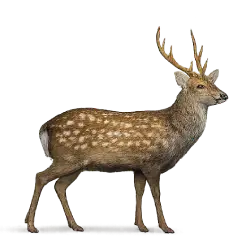 | D | Large introduced browser | Sika deer earns a high slot because introduced populations can reshape vegetation and compete with native herbivores at real mammal scale. | Read species guide |
| #4 |  | D | Wide-ranging mesopredator spread | Red fox is not enormous, but it is one of the strongest large-terrestrial invasive conversation pieces because it combines flexibility with predatory pressure. | Read species guide |
| #5 | 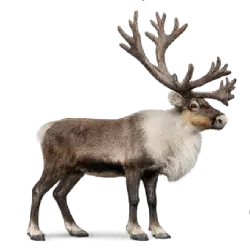 | E | Introduced grazing pressure | Reindeer matters here because introduced island and managed populations can change fragile northern vegetation systems fast. | Read species guide |
| #6 |  | E | Heavy feral highland grazer | Yak fits the list because feral or introduced herds can impose outsized pressure simply through body mass and hard-environment durability. | Read species guide |
| #7 |  | E | Introduced browsing and grazing pressure | Llama rounds out the large-mammal tier because even domestic-origin animals can become meaningful ecological movers once introduced widely enough. | Read species guide |
| #8 |  | D | Large invasive amphibian | American bullfrog is smaller than the mammals above it, but for an amphibian it is a heavyweight invader with major predatory and competitive impact. | Read species guide |
| #9 | 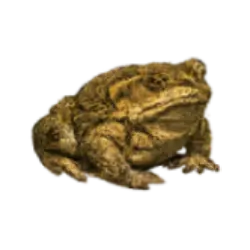 | D | Large toxic colonizer | Cane toad stays high because its body size, toxicity, and disturbance tolerance make it unusually consequential for a toad. | Read species guide |
| #10 | 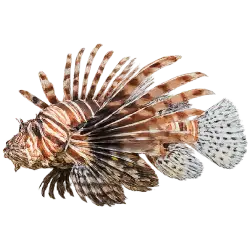 | D | Spiny reef invader | Lionfish closes the list because it is not physically huge, but in marine settings it behaves like a visibly outsized invader relative to reef prey. | Read species guide |
| #11 | 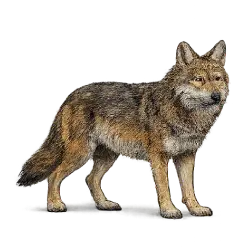 | C | 50/100 category fit | Red Wolf lands in the C tier for invasive based on AnimalDex canonical profile stats, species-guide traits, and category-specific biology signals. | Read species guide |
| #12 | 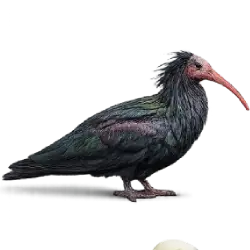 | C | 47/100 category fit | Northern Bald Ibis lands in the C tier for invasive based on AnimalDex canonical profile stats, species-guide traits, and category-specific biology signals. | Read species guide |
| #13 |  | D | 43/100 category fit | North American Raccoon lands in the D tier for invasive based on AnimalDex canonical profile stats, species-guide traits, and category-specific biology signals. | Read species guide |
| #14 |  | D | 42/100 category fit | Cockroach lands in the D tier for invasive based on AnimalDex canonical profile stats, species-guide traits, and category-specific biology signals. | Read species guide |
| #15 |  | D | 42/100 category fit | Cat lands in the D tier for invasive based on AnimalDex canonical profile stats, species-guide traits, and category-specific biology signals. | Read species guide |
| #16 |  | D | 41/100 category fit | Leopard lands in the D tier for invasive based on AnimalDex canonical profile stats, species-guide traits, and category-specific biology signals. | Read species guide |
| #17 | 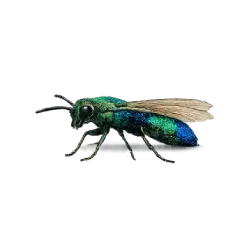 | D | 41/100 category fit | Jewel Wasp lands in the D tier for invasive based on AnimalDex canonical profile stats, species-guide traits, and category-specific biology signals. | Read species guide |
| #18 | 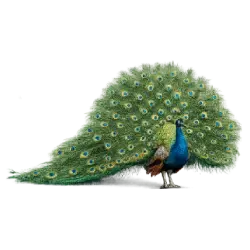 | D | 41/100 category fit | Indian Peafowl lands in the D tier for invasive based on AnimalDex canonical profile stats, species-guide traits, and category-specific biology signals. | Read species guide |
| #19 | 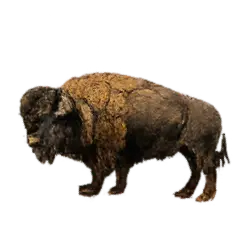 | D | 40/100 category fit | American Bison lands in the D tier for invasive based on AnimalDex canonical profile stats, species-guide traits, and category-specific biology signals. | Read species guide |
| #20 | 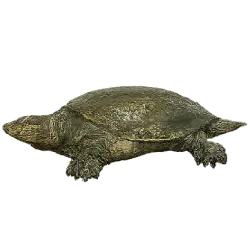 | D | 40/100 category fit | Chinese Softshell Turtle lands in the D tier for invasive based on AnimalDex canonical profile stats, species-guide traits, and category-specific biology signals. | Read species guide |
| #21 |  | D | 40/100 category fit | Owl lands in the D tier for invasive based on AnimalDex canonical profile stats, species-guide traits, and category-specific biology signals. | Read species guide |
| #22 | 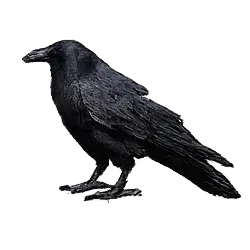 | D | 40/100 category fit | Crow lands in the D tier for invasive based on AnimalDex canonical profile stats, species-guide traits, and category-specific biology signals. | Read species guide |
| #23 | 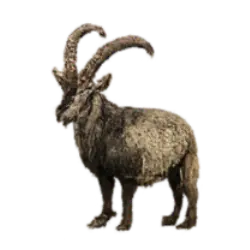 | D | 39/100 category fit | Alpine Ibex lands in the D tier for invasive based on AnimalDex canonical profile stats, species-guide traits, and category-specific biology signals. | Read species guide |
| #24 | 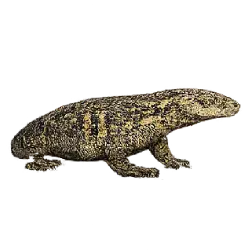 | D | 39/100 category fit | Argus Monitor lands in the D tier for invasive based on AnimalDex canonical profile stats, species-guide traits, and category-specific biology signals. | Read species guide |
| #25 |  | D | 39/100 category fit | Pigeon lands in the D tier for invasive based on AnimalDex canonical profile stats, species-guide traits, and category-specific biology signals. | Read species guide |
| #26 |  | D | 39/100 category fit | Red Kangaroo lands in the D tier for invasive based on AnimalDex canonical profile stats, species-guide traits, and category-specific biology signals. | Read species guide |
| #27 |  | D | 39/100 category fit | Sulphur-crested Cockatoo lands in the D tier for invasive based on AnimalDex canonical profile stats, species-guide traits, and category-specific biology signals. | Read species guide |
| #28 | 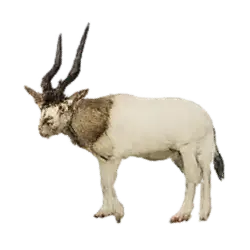 | D | 38/100 category fit | Addax lands in the D tier for invasive based on AnimalDex canonical profile stats, species-guide traits, and category-specific biology signals. | Read species guide |
| #29 | 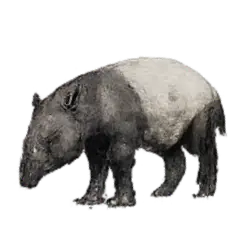 | D | 38/100 category fit | Baird's Tapir lands in the D tier for invasive based on AnimalDex canonical profile stats, species-guide traits, and category-specific biology signals. | Read species guide |
| #30 | 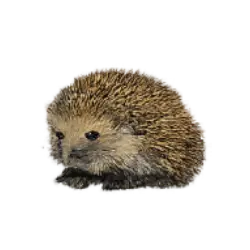 | D | 38/100 category fit | European Hedgehog lands in the D tier for invasive based on AnimalDex canonical profile stats, species-guide traits, and category-specific biology signals. | Read species guide |
| #31 | 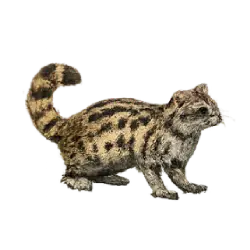 | D | 38/100 category fit | Common Genet lands in the D tier for invasive based on AnimalDex canonical profile stats, species-guide traits, and category-specific biology signals. | Read species guide |
| #32 | 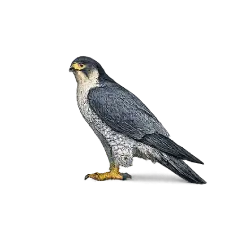 | D | 38/100 category fit | Peregrine Falcon lands in the D tier for invasive based on AnimalDex canonical profile stats, species-guide traits, and category-specific biology signals. | Read species guide |
| #33 |  | D | 38/100 category fit | Fox lands in the D tier for invasive based on AnimalDex canonical profile stats, species-guide traits, and category-specific biology signals. | Read species guide |
| #34 | 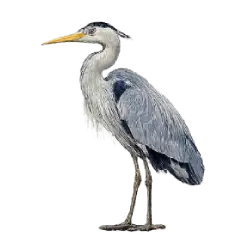 | D | 38/100 category fit | Great Blue Heron lands in the D tier for invasive based on AnimalDex canonical profile stats, species-guide traits, and category-specific biology signals. | Read species guide |
| #35 | 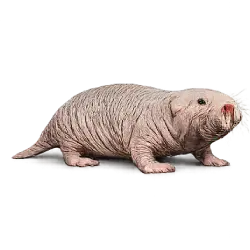 | D | 37/100 category fit | Naked Mole-rat lands in the D tier for invasive based on AnimalDex canonical profile stats, species-guide traits, and category-specific biology signals. | Read species guide |
| #36 | 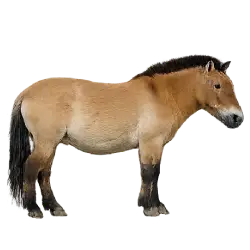 | D | 37/100 category fit | Takhi lands in the D tier for invasive based on AnimalDex canonical profile stats, species-guide traits, and category-specific biology signals. | Read species guide |
| #37 | 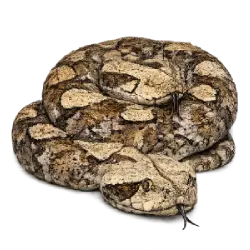 | D | 37/100 category fit | Gaboon Viper lands in the D tier for invasive based on AnimalDex canonical profile stats, species-guide traits, and category-specific biology signals. | Read species guide |
| #38 | 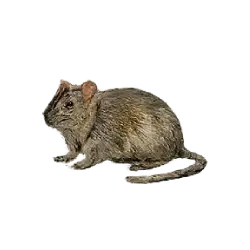 | D | 37/100 category fit | Degu lands in the D tier for invasive based on AnimalDex canonical profile stats, species-guide traits, and category-specific biology signals. | Read species guide |
| #39 | 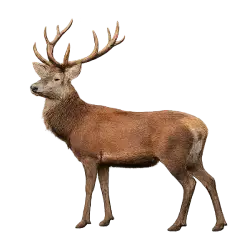 | D | 37/100 category fit | Red Deer lands in the D tier for invasive based on AnimalDex canonical profile stats, species-guide traits, and category-specific biology signals. | Read species guide |
| #40 |  | D | 37/100 category fit | Reeves's Muntjac lands in the D tier for invasive based on AnimalDex canonical profile stats, species-guide traits, and category-specific biology signals. | Read species guide |
| #41 | 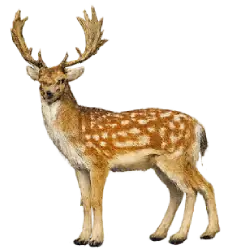 | D | 37/100 category fit | Fallow Deer lands in the D tier for invasive based on AnimalDex canonical profile stats, species-guide traits, and category-specific biology signals. | Read species guide |
| #42 | 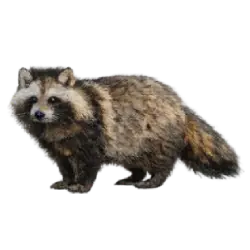 | D | 37/100 category fit | Raccoon Dog lands in the D tier for invasive based on AnimalDex canonical profile stats, species-guide traits, and category-specific biology signals. | Read species guide |
| #43 | 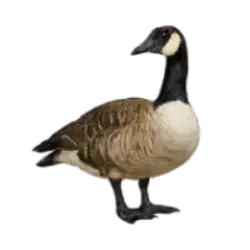 | D | 37/100 category fit | Canada Goose lands in the D tier for invasive based on AnimalDex canonical profile stats, species-guide traits, and category-specific biology signals. | Read species guide |
| #44 | 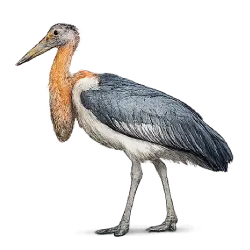 | D | 36/100 category fit | Greater Adjutant lands in the D tier for invasive based on AnimalDex canonical profile stats, species-guide traits, and category-specific biology signals. | Read species guide |
| #45 | 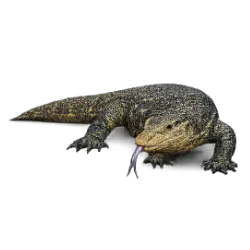 | D | 36/100 category fit | Water Monitor lands in the D tier for invasive based on AnimalDex canonical profile stats, species-guide traits, and category-specific biology signals. | Read species guide |
| #46 |  | D | 36/100 category fit | Maine Coon Cat lands in the D tier for invasive based on AnimalDex canonical profile stats, species-guide traits, and category-specific biology signals. | Read species guide |
| #47 | 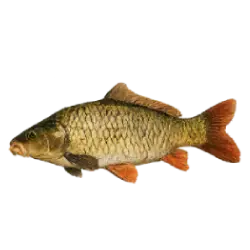 | D | 36/100 category fit | Carp lands in the D tier for invasive based on AnimalDex canonical profile stats, species-guide traits, and category-specific biology signals. | Read species guide |
| #48 | 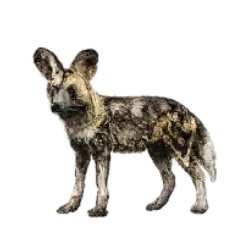 | D | 35/100 category fit | African Wild Dog lands in the D tier for invasive based on AnimalDex canonical profile stats, species-guide traits, and category-specific biology signals. | Read species guide |
| #49 | 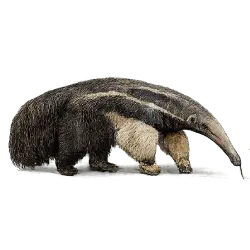 | D | 35/100 category fit | Giant Anteater lands in the D tier for invasive based on AnimalDex canonical profile stats, species-guide traits, and category-specific biology signals. | Read species guide |
| #50 | 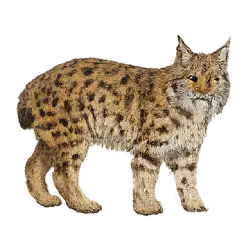 | D | 35/100 category fit | Eurasian Lynx lands in the D tier for invasive based on AnimalDex canonical profile stats, species-guide traits, and category-specific biology signals. | Read species guide |
| #51 | 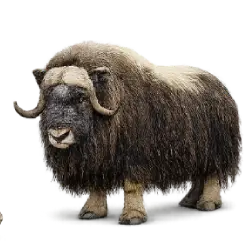 | D | 35/100 category fit | Musk Ox lands in the D tier for invasive based on AnimalDex canonical profile stats, species-guide traits, and category-specific biology signals. | Read species guide |
| #52 | 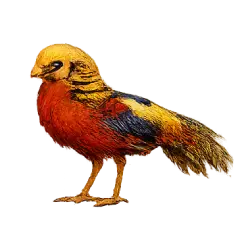 | D | 35/100 category fit | Golden Pheasant lands in the D tier for invasive based on AnimalDex canonical profile stats, species-guide traits, and category-specific biology signals. | Read species guide |
| #53 | 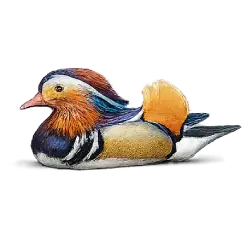 | D | 35/100 category fit | Mandarin Duck lands in the D tier for invasive based on AnimalDex canonical profile stats, species-guide traits, and category-specific biology signals. | Read species guide |
| #54 | 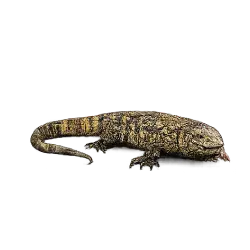 | D | 35/100 category fit | Nile Monitor lands in the D tier for invasive based on AnimalDex canonical profile stats, species-guide traits, and category-specific biology signals. | Read species guide |
| #55 |  | D | 35/100 category fit | Kookaburra lands in the D tier for invasive based on AnimalDex canonical profile stats, species-guide traits, and category-specific biology signals. | Read species guide |
| #56 | 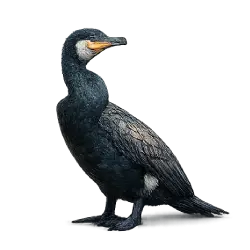 | D | 35/100 category fit | Great Cormorant lands in the D tier for invasive based on AnimalDex canonical profile stats, species-guide traits, and category-specific biology signals. | Read species guide |
| #57 | 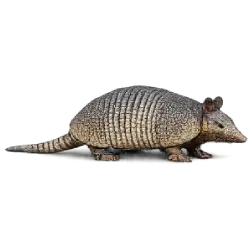 | D | 35/100 category fit | Nine-banded Armadillo lands in the D tier for invasive based on AnimalDex canonical profile stats, species-guide traits, and category-specific biology signals. | Read species guide |
| #58 |  | D | 35/100 category fit | Lizard lands in the D tier for invasive based on AnimalDex canonical profile stats, species-guide traits, and category-specific biology signals. | Read species guide |
| #59 | 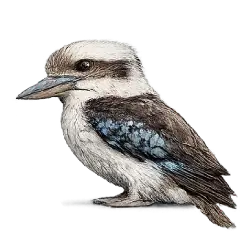 | D | 35/100 category fit | Laughing Kookaburra lands in the D tier for invasive based on AnimalDex canonical profile stats, species-guide traits, and category-specific biology signals. | Read species guide |
| #60 | 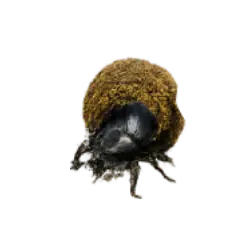 | D | 35/100 category fit | Dung Beetle lands in the D tier for invasive based on AnimalDex canonical profile stats, species-guide traits, and category-specific biology signals. | Read species guide |
| #61 |  | D | 34/100 category fit | Wolf lands in the D tier for invasive based on AnimalDex canonical profile stats, species-guide traits, and category-specific biology signals. | Read species guide |
| #62 | 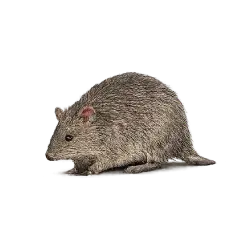 | D | 34/100 category fit | Quenda lands in the D tier for invasive based on AnimalDex canonical profile stats, species-guide traits, and category-specific biology signals. | Read species guide |
| #63 | 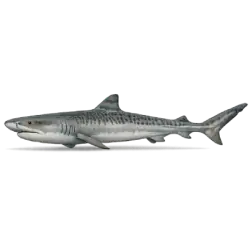 | D | 34/100 category fit | Tiger Shark lands in the D tier for invasive based on AnimalDex canonical profile stats, species-guide traits, and category-specific biology signals. | Read species guide |
| #64 | 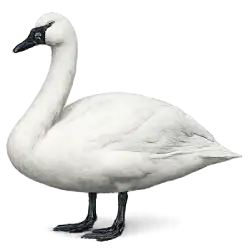 | D | 34/100 category fit | Trumpeter Swan lands in the D tier for invasive based on AnimalDex canonical profile stats, species-guide traits, and category-specific biology signals. | Read species guide |
| #65 | 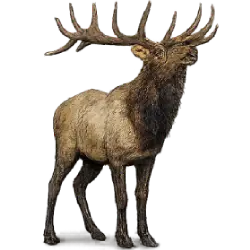 | D | 34/100 category fit | Elk lands in the D tier for invasive based on AnimalDex canonical profile stats, species-guide traits, and category-specific biology signals. | Read species guide |
| #66 | 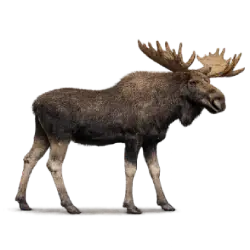 | D | 34/100 category fit | Moose lands in the D tier for invasive based on AnimalDex canonical profile stats, species-guide traits, and category-specific biology signals. | Read species guide |
| #67 | 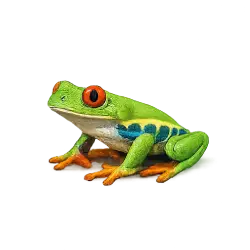 | D | 34/100 category fit | Red-eyed Tree Frog lands in the D tier for invasive based on AnimalDex canonical profile stats, species-guide traits, and category-specific biology signals. | Read species guide |
| #68 | 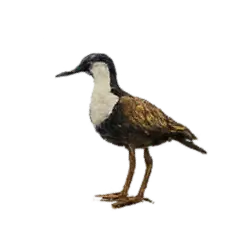 | D | 34/100 category fit | African Jacana lands in the D tier for invasive based on AnimalDex canonical profile stats, species-guide traits, and category-specific biology signals. | Read species guide |
| #69 | 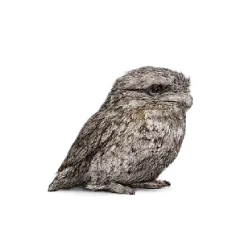 | D | 34/100 category fit | Tawny Frogmouth lands in the D tier for invasive based on AnimalDex canonical profile stats, species-guide traits, and category-specific biology signals. | Read species guide |
| #70 | 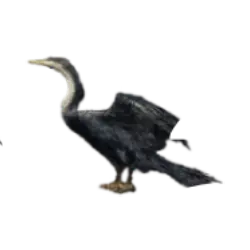 | D | 34/100 category fit | Anhinga lands in the D tier for invasive based on AnimalDex canonical profile stats, species-guide traits, and category-specific biology signals. | Read species guide |
| #71 |  | D | 34/100 category fit | Goose lands in the D tier for invasive based on AnimalDex canonical profile stats, species-guide traits, and category-specific biology signals. | Read species guide |
| #72 |  | D | 34/100 category fit | Black Swan lands in the D tier for invasive based on AnimalDex canonical profile stats, species-guide traits, and category-specific biology signals. | Read species guide |
| #73 | 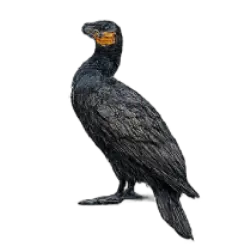 | D | 34/100 category fit | Double-crested Cormorant lands in the D tier for invasive based on AnimalDex canonical profile stats, species-guide traits, and category-specific biology signals. | Read species guide |
| #74 | 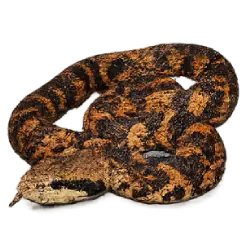 | D | 33/100 category fit | Bushmaster lands in the D tier for invasive based on AnimalDex canonical profile stats, species-guide traits, and category-specific biology signals. | Read species guide |
| #75 | 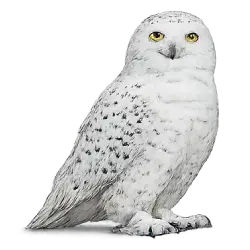 | D | 33/100 category fit | Snowy Owl lands in the D tier for invasive based on AnimalDex canonical profile stats, species-guide traits, and category-specific biology signals. | Read species guide |
| #76 | 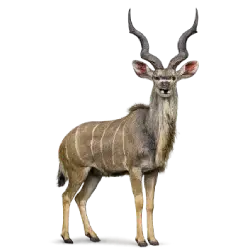 | D | 33/100 category fit | Greater Kudu lands in the D tier for invasive based on AnimalDex canonical profile stats, species-guide traits, and category-specific biology signals. | Read species guide |
| #77 | 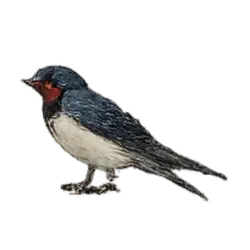 | D | 33/100 category fit | Barn Swallow lands in the D tier for invasive based on AnimalDex canonical profile stats, species-guide traits, and category-specific biology signals. | Read species guide |
| #78 | 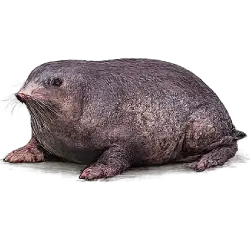 | D | 32/100 category fit | Saimaa Ringed Seal lands in the D tier for invasive based on AnimalDex canonical profile stats, species-guide traits, and category-specific biology signals. | Read species guide |
| #79 |  | D | 32/100 category fit | Black-footed Ferret lands in the D tier for invasive based on AnimalDex canonical profile stats, species-guide traits, and category-specific biology signals. | Read species guide |
| #80 | 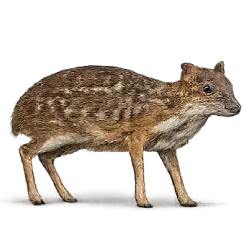 | D | 32/100 category fit | Java Mouse-deer lands in the D tier for invasive based on AnimalDex canonical profile stats, species-guide traits, and category-specific biology signals. | Read species guide |
| #81 | 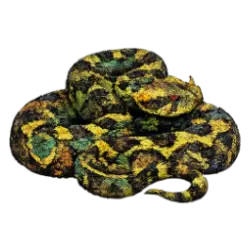 | D | 32/100 category fit | Rhinoceros Viper lands in the D tier for invasive based on AnimalDex canonical profile stats, species-guide traits, and category-specific biology signals. | Read species guide |
| #82 |  | D | 32/100 category fit | Wallace's Flying Frog lands in the D tier for invasive based on AnimalDex canonical profile stats, species-guide traits, and category-specific biology signals. | Read species guide |
| #83 | 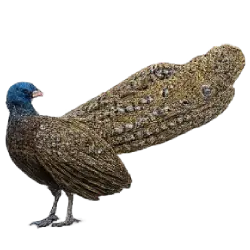 | D | 32/100 category fit | Great Argus lands in the D tier for invasive based on AnimalDex canonical profile stats, species-guide traits, and category-specific biology signals. | Read species guide |
| #84 | 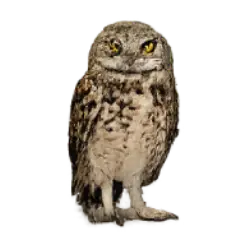 | D | 32/100 category fit | Burrowing Owl lands in the D tier for invasive based on AnimalDex canonical profile stats, species-guide traits, and category-specific biology signals. | Read species guide |
| #85 |  | D | 32/100 category fit | Blue Duiker lands in the D tier for invasive based on AnimalDex canonical profile stats, species-guide traits, and category-specific biology signals. | Read species guide |
| #86 | 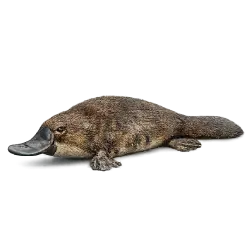 | D | 32/100 category fit | Platypus lands in the D tier for invasive based on AnimalDex canonical profile stats, species-guide traits, and category-specific biology signals. | Read species guide |
| #87 | 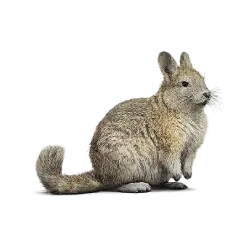 | D | 32/100 category fit | Southern Viscacha lands in the D tier for invasive based on AnimalDex canonical profile stats, species-guide traits, and category-specific biology signals. | Read species guide |
| #88 | 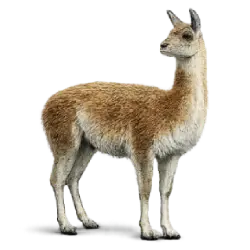 | D | 32/100 category fit | Guanaco lands in the D tier for invasive based on AnimalDex canonical profile stats, species-guide traits, and category-specific biology signals. | Read species guide |
| #89 |  | D | 32/100 category fit | Humpback Whale lands in the D tier for invasive based on AnimalDex canonical profile stats, species-guide traits, and category-specific biology signals. | Read species guide |
| #90 | 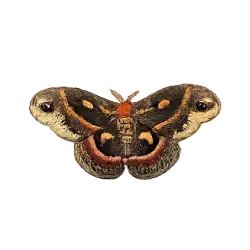 | D | 32/100 category fit | Cecropia Moth lands in the D tier for invasive based on AnimalDex canonical profile stats, species-guide traits, and category-specific biology signals. | Read species guide |
| #91 | 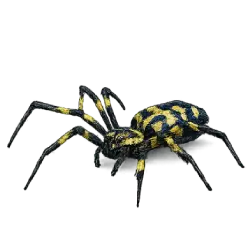 | D | 32/100 category fit | Joro Spider lands in the D tier for invasive based on AnimalDex canonical profile stats, species-guide traits, and category-specific biology signals. | Read species guide |
| #92 | 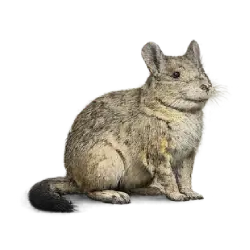 | D | 32/100 category fit | Plains Vizcacha lands in the D tier for invasive based on AnimalDex canonical profile stats, species-guide traits, and category-specific biology signals. | Read species guide |
| #93 | 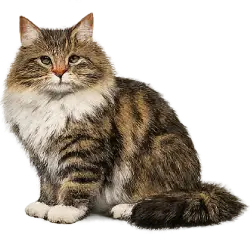 | D | 32/100 category fit | Norwegian Forest Cat lands in the D tier for invasive based on AnimalDex canonical profile stats, species-guide traits, and category-specific biology signals. | Read species guide |
| #94 | 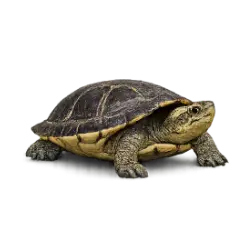 | D | 31/100 category fit | Indochinese Box Turtle lands in the D tier for invasive based on AnimalDex canonical profile stats, species-guide traits, and category-specific biology signals. | Read species guide |
| #95 | 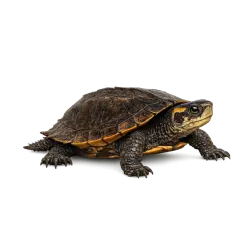 | D | 31/100 category fit | Black-breasted Leaf Turtle lands in the D tier for invasive based on AnimalDex canonical profile stats, species-guide traits, and category-specific biology signals. | Read species guide |
| #96 |  | D | 31/100 category fit | Gorilla lands in the D tier for invasive based on AnimalDex canonical profile stats, species-guide traits, and category-specific biology signals. | Read species guide |
| #97 | 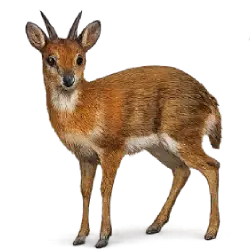 | D | 31/100 category fit | Royal Antelope lands in the D tier for invasive based on AnimalDex canonical profile stats, species-guide traits, and category-specific biology signals. | Read species guide |
| #98 |  | D | 31/100 category fit | Bush Dog lands in the D tier for invasive based on AnimalDex canonical profile stats, species-guide traits, and category-specific biology signals. | Read species guide |
| #99 | 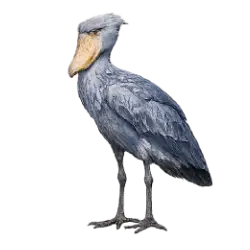 | D | 31/100 category fit | Shoebill lands in the D tier for invasive based on AnimalDex canonical profile stats, species-guide traits, and category-specific biology signals. | Read species guide |
| #100 | 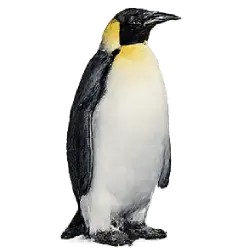 | D | 31/100 category fit | Emperor Penguin lands in the D tier for invasive based on AnimalDex canonical profile stats, species-guide traits, and category-specific biology signals. | Read species guide |
Methodology
This section matters. It explains what the ranking is really measuring, where category boundaries matter, and why the page should not be read like junk SEO filler.
- Ranking prioritizes large body size first, then adjusts for ecological footprint, establishment strength, and how clearly the species is known for nonnative spread or feral pressure.
- Because the AnimalDex dataset is broader than a pure invasive-species database, the back half of the ranking includes animals best understood as introduced or feral pressure species in at least part of their range, not only as universally dominant invaders everywhere.
- The goal is to answer the user's likely intent honestly: which invasive or introduced animals feel physically biggest and most system-changing, not which tiny pest spreads fastest.
Breakdown and nuance
The strongest ranking pages explain where the headline answer is solid, where the category splits, and where readers should avoid overclaiming.
If you want the biggest invasive-animal headline, dromedary camel is the cleanest answer in this dataset because it combines huge body size with well-known feral ecosystem pressure. Reticulated python is the strongest predatory alternative if the reader is thinking about giant invasive hunters instead of grazing animals.
That is why this page is not identical to a general invasive-species list. Size first changes the ordering a lot.
Animal highlights
Use these species-linked highlights to move from the ranking into deeper AnimalDex guides.
Dromedary Camel
Dromedary camel is the clearest large-bodied answer because feral populations can impose huge grazing, trampling, and water-use pressure at true megafauna scale.
The dromedary camel is a one-humped desert animal built for heat, distance, and dry-country travel.
Read species guideReticulated Python
Reticulated python belongs near the top because its sheer size changes what an introduced predator can do in a warm-climate ecosystem.
The reticulated python is one of the world’s longest snakes, built for stealth, constriction, and flexible hunting across forests, wetlands, and edge habitats in Southeast Asia.
Read species guideSika Deer
Sika deer earns a high slot because introduced populations can reshape vegetation and compete with native herbivores at real mammal scale.
Sika Deer is a mammal known for spotted coat in summer, stiff alert posture, and woodland-and-grassland grazing.
Read species guideRed Fox
Red fox is not enormous, but it is one of the strongest large-terrestrial invasive conversation pieces because it combines flexibility with predatory pressure.
The red fox is a versatile medium-sized canid known for sharp hearing, adaptable diet, and success in habitats ranging from remote countryside to cities.
Read species guideReindeer
Reindeer matters here because introduced island and managed populations can change fragile northern vegetation systems fast.
The reindeer is a cold-adapted deer famous for long migrations, broad hooves, and antlers on both males and many females.
Read species guideYak
Yak fits the list because feral or introduced herds can impose outsized pressure simply through body mass and hard-environment durability.
The yak is a shaggy high-altitude bovine adapted to cold plateaus, thin air, and rough mountain conditions.
Read species guideLlama
Llama rounds out the large-mammal tier because even domestic-origin animals can become meaningful ecological movers once introduced widely enough.
The llama is a South American camelid known for its long neck, woolly coat, and sure-footed movement in high landscapes.
Read species guideAmerican Bullfrog
American bullfrog is smaller than the mammals above it, but for an amphibian it is a heavyweight invader with major predatory and competitive impact.
The American bullfrog is a large pond and marsh amphibian known for deep calls, strong hind legs, and broad tolerance for warm freshwater habitat.
Read species guideCane Toad
Cane toad stays high because its body size, toxicity, and disturbance tolerance make it unusually consequential for a toad.
Cane Toad is a amphibian known for large warty body, poison glands behind the head, and tough adaptable ground movement.
Read species guideLionfish
Lionfish closes the list because it is not physically huge, but in marine settings it behaves like a visibly outsized invader relative to reef prey.
Lionfish are venomous reef predators with ornate fins, patient hovering behavior, and major ecological impact where introduced beyond their native range.
Read species guideCollect animals like these in AnimalDex
Move from headline lists into species guides, real sightings, and a collection built around the fastest, strongest, and smartest animals you care about.
Related tier lists
Continue into nearby tier-list pages to compare more categories without losing context.
Most Invasive Species in the World: Top 100 Tier List
A structured ranking of the most invasive species in the world, balancing establishment success, ecological disruption, spread potential, and how difficult the species is to remove once it takes hold.
Read tier listMost Adaptable Animals in the World: Top 100 Tier List
A structured ranking of the most adaptable animals in the world, focusing on habitat flexibility, behavioral adjustment, problem solving, and success in changing conditions.
Read tier listAnimals with the Best Camouflage: Top 100 Tier List
A structured ranking of animals with the best camouflage, focusing on concealment quality, background matching, adaptive color change, and how often camouflage changes outcomes.
Read tier listTier-list FAQ
Short direct answers to the follow-up questions readers usually ask after the headline ranking.
What is the largest invasive animal in the world?
In this ranking set, dromedary camel is the clearest big-bodied invasive or feral animal headline.
Why are large invasive animals different from typical invasive species lists?
Because body size changes the kind of damage they do. Trampling, heavy grazing, and large-predator pressure are different problems from the spread of small pests.