

Most Invasive Species in the World: Top 100 Tier List
A structured ranking of the most invasive species in the world, balancing establishment success, ecological disruption, spread potential, and how difficult the species is to remove once it takes hold.
Quick answer
Start with the direct answer, then use the ranking, methodology, and context below to understand what the headline really means.
If you want the cleanest invasive-animal answer in this dataset, lionfish, cane toad, and American bullfrog belong near the top because they combine spread, ecological disruption, and removal difficulty. Red fox, reticulated python, and other introduced vertebrates remain highly relevant depending on region.
Invasive-species rankings work best when they focus on ecological disruption rather than pure popularity. A species becomes important here because it spreads, establishes, and keeps changing systems after arrival.
That is why some relatively small animals outrank much larger ones. Invasiveness is about footprint and persistence, not only body size.
Tier-list table
Every tier-list table includes at least 100 ranked species, animal icons, tier labels, and links back into species pages.
| Rank | Animal | Tier | Primary metric | Why it ranks | Read species guide |
|---|---|---|---|---|---|
| #1 | 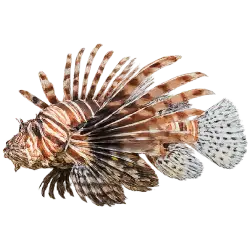 | D | High reef predation pressure | Lionfish leads because it combines fast establishment, broad prey pressure, and stubborn control problems in invaded reef systems. | Read species guide |
| #2 | 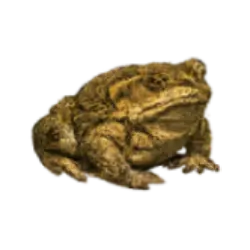 | D | Toxic rapid spread | Cane toad stays near the top because its toxicity and disturbance tolerance let it damage food webs far beyond a normal toad footprint. | Read species guide |
| #3 |  | D | Aggressive amphibian expansion | American bullfrog belongs in the top tier because it is a broad-eating, hard-to-remove invader in many freshwater systems. | Read species guide |
| #4 |  | D | Introduced predator pressure | Red fox ranks highly because it is an unusually effective adaptable predator in regions where native prey evolved without that exact pressure. | Read species guide |
| #5 | 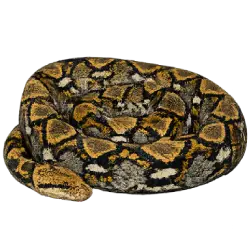 | E | Large-bodied introduced predator | Reticulated python is a major invasive conversation piece because once large constrictors establish, control gets difficult very quickly. | Read species guide |
| #6 | 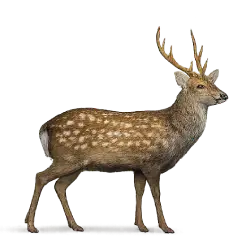 | D | Vegetation and competition pressure | Sika deer matters because introduced deer can alter browse patterns, compete with natives, and persist across mixed landscapes. | Read species guide |
| #7 | 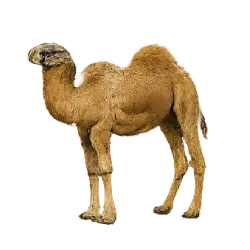 | D | Feral megaherbivore impact | Dromedary camel stays relevant because feral populations can impose large-scale water and vegetation pressure in arid systems. | Read species guide |
| #8 | 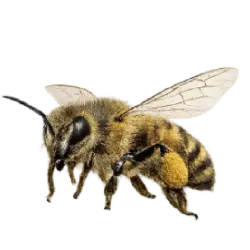 | E | Pollinator competition footprint | Honey bee is not a classic shock-value invader, but introduced populations can still reshape pollination competition in sensitive environments. | Read species guide |
| #9 | 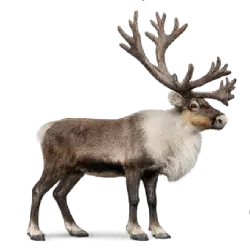 | E | Island and tundra grazing pressure | Reindeer earns a late slot because introduced populations can heavily pressure fragile northern vegetation where recovery is slow. | Read species guide |
| #10 |  | E | Feral grazer persistence | Yak rounds out the list as a hard-environment grazer whose introduced presence can matter more than readers expect in thin ecological systems. | Read species guide |
| #11 | 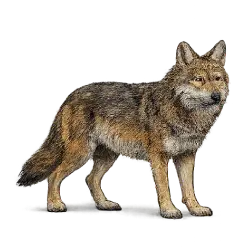 | C | 50/100 category fit | Red Wolf lands in the C tier for invasive based on AnimalDex canonical profile stats, species-guide traits, and category-specific biology signals. | Read species guide |
| #12 | 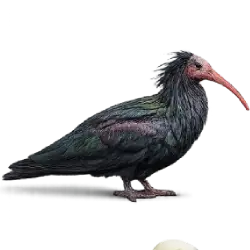 | C | 47/100 category fit | Northern Bald Ibis lands in the C tier for invasive based on AnimalDex canonical profile stats, species-guide traits, and category-specific biology signals. | Read species guide |
| #13 |  | D | 43/100 category fit | North American Raccoon lands in the D tier for invasive based on AnimalDex canonical profile stats, species-guide traits, and category-specific biology signals. | Read species guide |
| #14 |  | D | 42/100 category fit | Cockroach lands in the D tier for invasive based on AnimalDex canonical profile stats, species-guide traits, and category-specific biology signals. | Read species guide |
| #15 |  | D | 42/100 category fit | Cat lands in the D tier for invasive based on AnimalDex canonical profile stats, species-guide traits, and category-specific biology signals. | Read species guide |
| #16 |  | D | 41/100 category fit | Leopard lands in the D tier for invasive based on AnimalDex canonical profile stats, species-guide traits, and category-specific biology signals. | Read species guide |
| #17 | 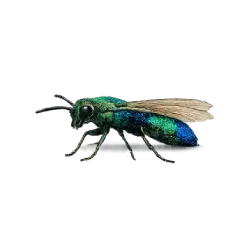 | D | 41/100 category fit | Jewel Wasp lands in the D tier for invasive based on AnimalDex canonical profile stats, species-guide traits, and category-specific biology signals. | Read species guide |
| #18 | 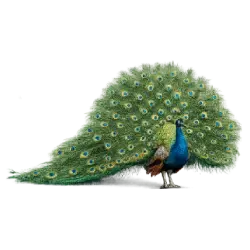 | D | 41/100 category fit | Indian Peafowl lands in the D tier for invasive based on AnimalDex canonical profile stats, species-guide traits, and category-specific biology signals. | Read species guide |
| #19 | 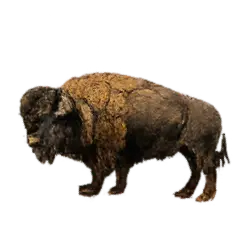 | D | 40/100 category fit | American Bison lands in the D tier for invasive based on AnimalDex canonical profile stats, species-guide traits, and category-specific biology signals. | Read species guide |
| #20 | 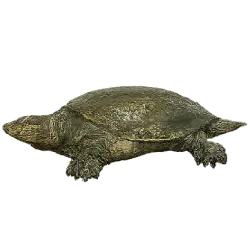 | D | 40/100 category fit | Chinese Softshell Turtle lands in the D tier for invasive based on AnimalDex canonical profile stats, species-guide traits, and category-specific biology signals. | Read species guide |
| #21 |  | D | 40/100 category fit | Owl lands in the D tier for invasive based on AnimalDex canonical profile stats, species-guide traits, and category-specific biology signals. | Read species guide |
| #22 | 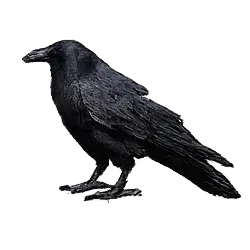 | D | 40/100 category fit | Crow lands in the D tier for invasive based on AnimalDex canonical profile stats, species-guide traits, and category-specific biology signals. | Read species guide |
| #23 | 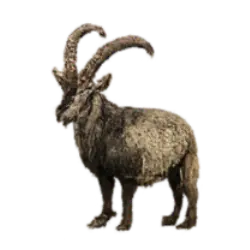 | D | 39/100 category fit | Alpine Ibex lands in the D tier for invasive based on AnimalDex canonical profile stats, species-guide traits, and category-specific biology signals. | Read species guide |
| #24 | 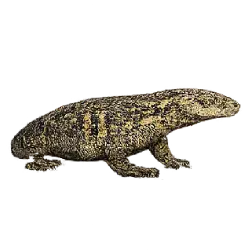 | D | 39/100 category fit | Argus Monitor lands in the D tier for invasive based on AnimalDex canonical profile stats, species-guide traits, and category-specific biology signals. | Read species guide |
| #25 |  | D | 39/100 category fit | Pigeon lands in the D tier for invasive based on AnimalDex canonical profile stats, species-guide traits, and category-specific biology signals. | Read species guide |
| #26 |  | D | 39/100 category fit | Red Kangaroo lands in the D tier for invasive based on AnimalDex canonical profile stats, species-guide traits, and category-specific biology signals. | Read species guide |
| #27 |  | D | 39/100 category fit | Sulphur-crested Cockatoo lands in the D tier for invasive based on AnimalDex canonical profile stats, species-guide traits, and category-specific biology signals. | Read species guide |
| #28 | 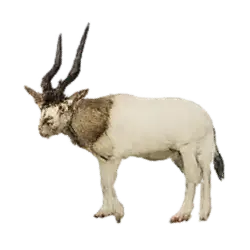 | D | 38/100 category fit | Addax lands in the D tier for invasive based on AnimalDex canonical profile stats, species-guide traits, and category-specific biology signals. | Read species guide |
| #29 | 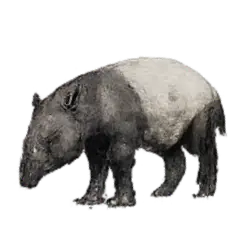 | D | 38/100 category fit | Baird's Tapir lands in the D tier for invasive based on AnimalDex canonical profile stats, species-guide traits, and category-specific biology signals. | Read species guide |
| #30 | 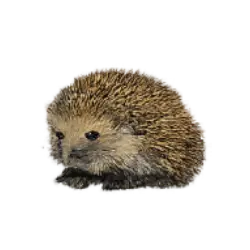 | D | 38/100 category fit | European Hedgehog lands in the D tier for invasive based on AnimalDex canonical profile stats, species-guide traits, and category-specific biology signals. | Read species guide |
| #31 | 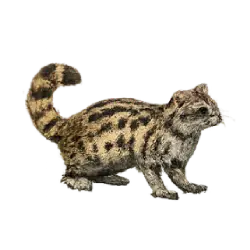 | D | 38/100 category fit | Common Genet lands in the D tier for invasive based on AnimalDex canonical profile stats, species-guide traits, and category-specific biology signals. | Read species guide |
| #32 | 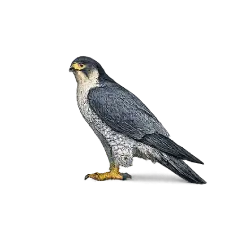 | D | 38/100 category fit | Peregrine Falcon lands in the D tier for invasive based on AnimalDex canonical profile stats, species-guide traits, and category-specific biology signals. | Read species guide |
| #33 |  | D | 38/100 category fit | Fox lands in the D tier for invasive based on AnimalDex canonical profile stats, species-guide traits, and category-specific biology signals. | Read species guide |
| #34 | 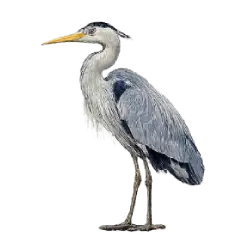 | D | 38/100 category fit | Great Blue Heron lands in the D tier for invasive based on AnimalDex canonical profile stats, species-guide traits, and category-specific biology signals. | Read species guide |
| #35 | 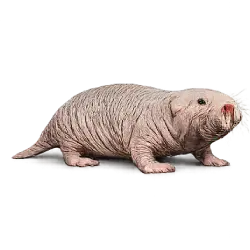 | D | 37/100 category fit | Naked Mole-rat lands in the D tier for invasive based on AnimalDex canonical profile stats, species-guide traits, and category-specific biology signals. | Read species guide |
| #36 | 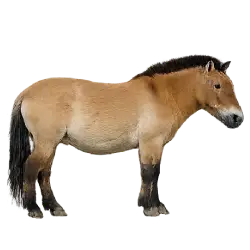 | D | 37/100 category fit | Takhi lands in the D tier for invasive based on AnimalDex canonical profile stats, species-guide traits, and category-specific biology signals. | Read species guide |
| #37 | 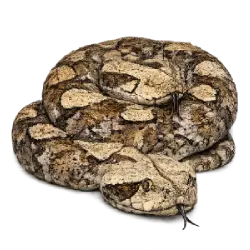 | D | 37/100 category fit | Gaboon Viper lands in the D tier for invasive based on AnimalDex canonical profile stats, species-guide traits, and category-specific biology signals. | Read species guide |
| #38 | 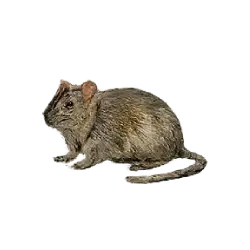 | D | 37/100 category fit | Degu lands in the D tier for invasive based on AnimalDex canonical profile stats, species-guide traits, and category-specific biology signals. | Read species guide |
| #39 | 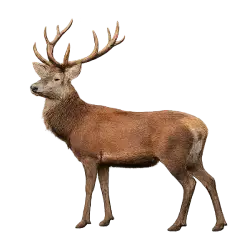 | D | 37/100 category fit | Red Deer lands in the D tier for invasive based on AnimalDex canonical profile stats, species-guide traits, and category-specific biology signals. | Read species guide |
| #40 |  | D | 37/100 category fit | Reeves's Muntjac lands in the D tier for invasive based on AnimalDex canonical profile stats, species-guide traits, and category-specific biology signals. | Read species guide |
| #41 | 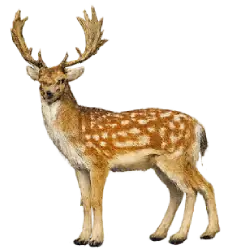 | D | 37/100 category fit | Fallow Deer lands in the D tier for invasive based on AnimalDex canonical profile stats, species-guide traits, and category-specific biology signals. | Read species guide |
| #42 | 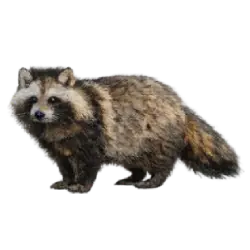 | D | 37/100 category fit | Raccoon Dog lands in the D tier for invasive based on AnimalDex canonical profile stats, species-guide traits, and category-specific biology signals. | Read species guide |
| #43 | 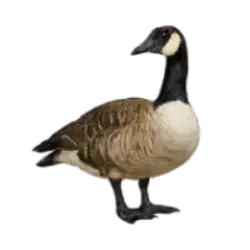 | D | 37/100 category fit | Canada Goose lands in the D tier for invasive based on AnimalDex canonical profile stats, species-guide traits, and category-specific biology signals. | Read species guide |
| #44 | 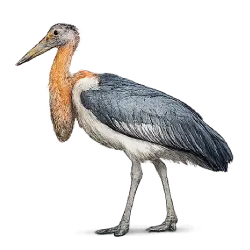 | D | 36/100 category fit | Greater Adjutant lands in the D tier for invasive based on AnimalDex canonical profile stats, species-guide traits, and category-specific biology signals. | Read species guide |
| #45 | 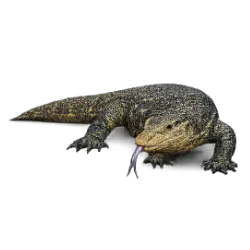 | D | 36/100 category fit | Water Monitor lands in the D tier for invasive based on AnimalDex canonical profile stats, species-guide traits, and category-specific biology signals. | Read species guide |
| #46 |  | D | 36/100 category fit | Maine Coon Cat lands in the D tier for invasive based on AnimalDex canonical profile stats, species-guide traits, and category-specific biology signals. | Read species guide |
| #47 | 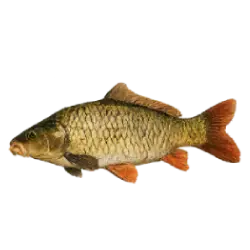 | D | 36/100 category fit | Carp lands in the D tier for invasive based on AnimalDex canonical profile stats, species-guide traits, and category-specific biology signals. | Read species guide |
| #48 | 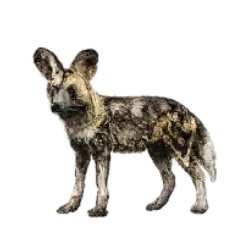 | D | 35/100 category fit | African Wild Dog lands in the D tier for invasive based on AnimalDex canonical profile stats, species-guide traits, and category-specific biology signals. | Read species guide |
| #49 | 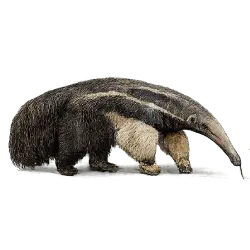 | D | 35/100 category fit | Giant Anteater lands in the D tier for invasive based on AnimalDex canonical profile stats, species-guide traits, and category-specific biology signals. | Read species guide |
| #50 | 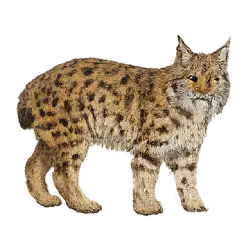 | D | 35/100 category fit | Eurasian Lynx lands in the D tier for invasive based on AnimalDex canonical profile stats, species-guide traits, and category-specific biology signals. | Read species guide |
| #51 | 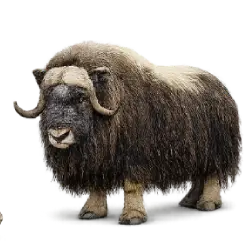 | D | 35/100 category fit | Musk Ox lands in the D tier for invasive based on AnimalDex canonical profile stats, species-guide traits, and category-specific biology signals. | Read species guide |
| #52 | 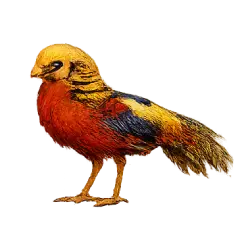 | D | 35/100 category fit | Golden Pheasant lands in the D tier for invasive based on AnimalDex canonical profile stats, species-guide traits, and category-specific biology signals. | Read species guide |
| #53 | 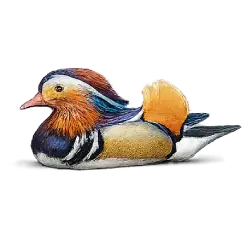 | D | 35/100 category fit | Mandarin Duck lands in the D tier for invasive based on AnimalDex canonical profile stats, species-guide traits, and category-specific biology signals. | Read species guide |
| #54 | 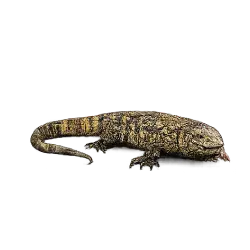 | D | 35/100 category fit | Nile Monitor lands in the D tier for invasive based on AnimalDex canonical profile stats, species-guide traits, and category-specific biology signals. | Read species guide |
| #55 |  | D | 35/100 category fit | Kookaburra lands in the D tier for invasive based on AnimalDex canonical profile stats, species-guide traits, and category-specific biology signals. | Read species guide |
| #56 | 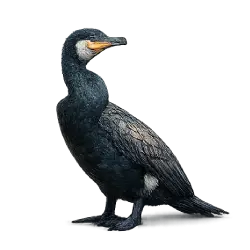 | D | 35/100 category fit | Great Cormorant lands in the D tier for invasive based on AnimalDex canonical profile stats, species-guide traits, and category-specific biology signals. | Read species guide |
| #57 | 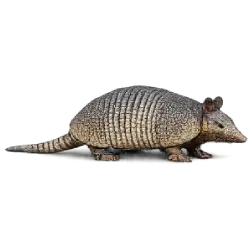 | D | 35/100 category fit | Nine-banded Armadillo lands in the D tier for invasive based on AnimalDex canonical profile stats, species-guide traits, and category-specific biology signals. | Read species guide |
| #58 |  | D | 35/100 category fit | Lizard lands in the D tier for invasive based on AnimalDex canonical profile stats, species-guide traits, and category-specific biology signals. | Read species guide |
| #59 | 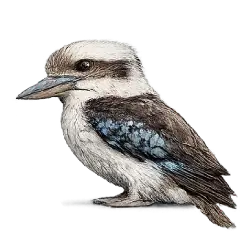 | D | 35/100 category fit | Laughing Kookaburra lands in the D tier for invasive based on AnimalDex canonical profile stats, species-guide traits, and category-specific biology signals. | Read species guide |
| #60 | 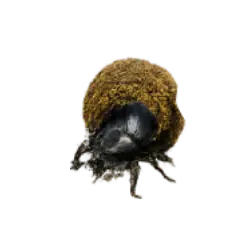 | D | 35/100 category fit | Dung Beetle lands in the D tier for invasive based on AnimalDex canonical profile stats, species-guide traits, and category-specific biology signals. | Read species guide |
| #61 |  | D | 34/100 category fit | Wolf lands in the D tier for invasive based on AnimalDex canonical profile stats, species-guide traits, and category-specific biology signals. | Read species guide |
| #62 | 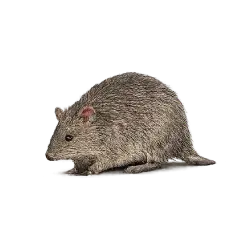 | D | 34/100 category fit | Quenda lands in the D tier for invasive based on AnimalDex canonical profile stats, species-guide traits, and category-specific biology signals. | Read species guide |
| #63 | 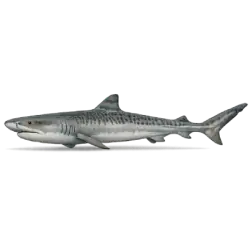 | D | 34/100 category fit | Tiger Shark lands in the D tier for invasive based on AnimalDex canonical profile stats, species-guide traits, and category-specific biology signals. | Read species guide |
| #64 | 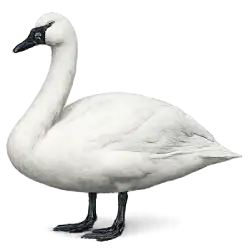 | D | 34/100 category fit | Trumpeter Swan lands in the D tier for invasive based on AnimalDex canonical profile stats, species-guide traits, and category-specific biology signals. | Read species guide |
| #65 | 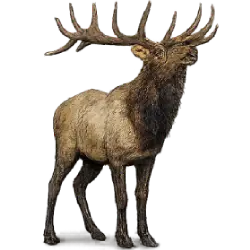 | D | 34/100 category fit | Elk lands in the D tier for invasive based on AnimalDex canonical profile stats, species-guide traits, and category-specific biology signals. | Read species guide |
| #66 | 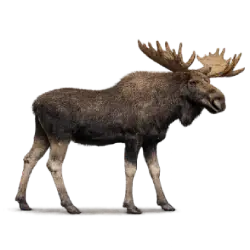 | D | 34/100 category fit | Moose lands in the D tier for invasive based on AnimalDex canonical profile stats, species-guide traits, and category-specific biology signals. | Read species guide |
| #67 | 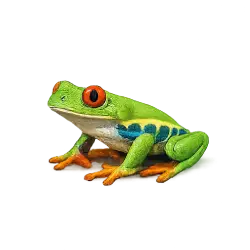 | D | 34/100 category fit | Red-eyed Tree Frog lands in the D tier for invasive based on AnimalDex canonical profile stats, species-guide traits, and category-specific biology signals. | Read species guide |
| #68 | 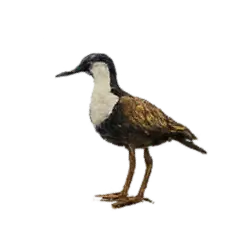 | D | 34/100 category fit | African Jacana lands in the D tier for invasive based on AnimalDex canonical profile stats, species-guide traits, and category-specific biology signals. | Read species guide |
| #69 | 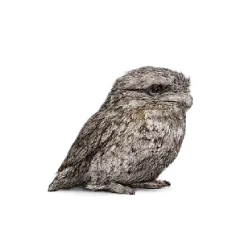 | D | 34/100 category fit | Tawny Frogmouth lands in the D tier for invasive based on AnimalDex canonical profile stats, species-guide traits, and category-specific biology signals. | Read species guide |
| #70 | 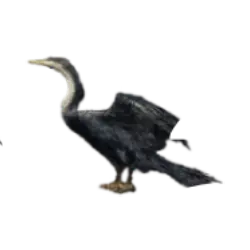 | D | 34/100 category fit | Anhinga lands in the D tier for invasive based on AnimalDex canonical profile stats, species-guide traits, and category-specific biology signals. | Read species guide |
| #71 |  | D | 34/100 category fit | Goose lands in the D tier for invasive based on AnimalDex canonical profile stats, species-guide traits, and category-specific biology signals. | Read species guide |
| #72 |  | D | 34/100 category fit | Black Swan lands in the D tier for invasive based on AnimalDex canonical profile stats, species-guide traits, and category-specific biology signals. | Read species guide |
| #73 | 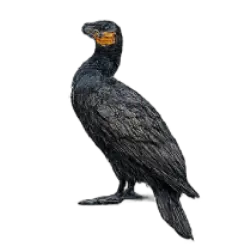 | D | 34/100 category fit | Double-crested Cormorant lands in the D tier for invasive based on AnimalDex canonical profile stats, species-guide traits, and category-specific biology signals. | Read species guide |
| #74 | 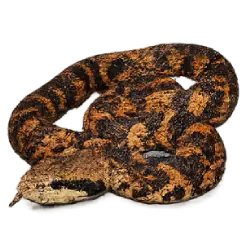 | D | 33/100 category fit | Bushmaster lands in the D tier for invasive based on AnimalDex canonical profile stats, species-guide traits, and category-specific biology signals. | Read species guide |
| #75 | 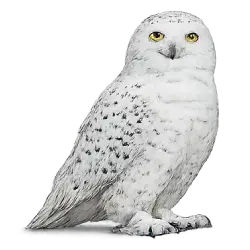 | D | 33/100 category fit | Snowy Owl lands in the D tier for invasive based on AnimalDex canonical profile stats, species-guide traits, and category-specific biology signals. | Read species guide |
| #76 | 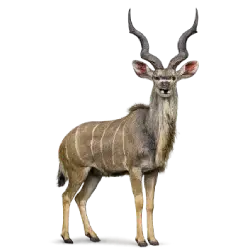 | D | 33/100 category fit | Greater Kudu lands in the D tier for invasive based on AnimalDex canonical profile stats, species-guide traits, and category-specific biology signals. | Read species guide |
| #77 | 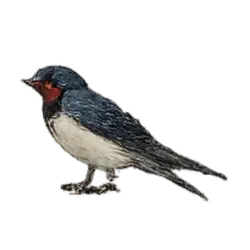 | D | 33/100 category fit | Barn Swallow lands in the D tier for invasive based on AnimalDex canonical profile stats, species-guide traits, and category-specific biology signals. | Read species guide |
| #78 | 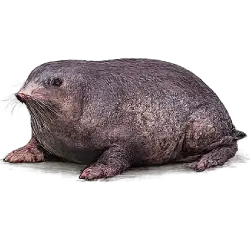 | D | 32/100 category fit | Saimaa Ringed Seal lands in the D tier for invasive based on AnimalDex canonical profile stats, species-guide traits, and category-specific biology signals. | Read species guide |
| #79 |  | D | 32/100 category fit | Black-footed Ferret lands in the D tier for invasive based on AnimalDex canonical profile stats, species-guide traits, and category-specific biology signals. | Read species guide |
| #80 | 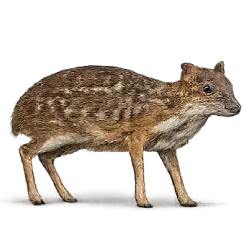 | D | 32/100 category fit | Java Mouse-deer lands in the D tier for invasive based on AnimalDex canonical profile stats, species-guide traits, and category-specific biology signals. | Read species guide |
| #81 | 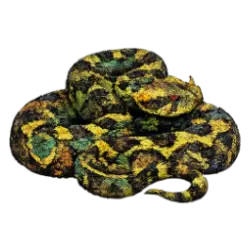 | D | 32/100 category fit | Rhinoceros Viper lands in the D tier for invasive based on AnimalDex canonical profile stats, species-guide traits, and category-specific biology signals. | Read species guide |
| #82 |  | D | 32/100 category fit | Wallace's Flying Frog lands in the D tier for invasive based on AnimalDex canonical profile stats, species-guide traits, and category-specific biology signals. | Read species guide |
| #83 | 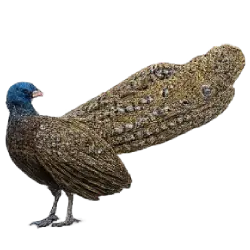 | D | 32/100 category fit | Great Argus lands in the D tier for invasive based on AnimalDex canonical profile stats, species-guide traits, and category-specific biology signals. | Read species guide |
| #84 | 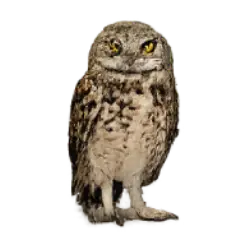 | D | 32/100 category fit | Burrowing Owl lands in the D tier for invasive based on AnimalDex canonical profile stats, species-guide traits, and category-specific biology signals. | Read species guide |
| #85 | 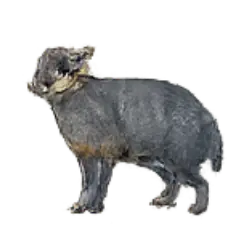 | D | 32/100 category fit | Blue Duiker lands in the D tier for invasive based on AnimalDex canonical profile stats, species-guide traits, and category-specific biology signals. | Read species guide |
| #86 | 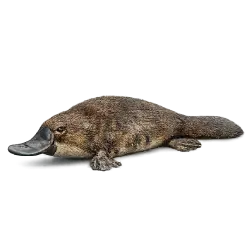 | D | 32/100 category fit | Platypus lands in the D tier for invasive based on AnimalDex canonical profile stats, species-guide traits, and category-specific biology signals. | Read species guide |
| #87 | 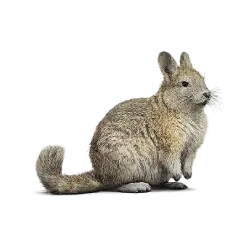 | D | 32/100 category fit | Southern Viscacha lands in the D tier for invasive based on AnimalDex canonical profile stats, species-guide traits, and category-specific biology signals. | Read species guide |
| #88 | 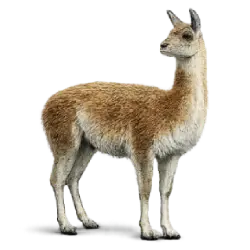 | D | 32/100 category fit | Guanaco lands in the D tier for invasive based on AnimalDex canonical profile stats, species-guide traits, and category-specific biology signals. | Read species guide |
| #89 |  | D | 32/100 category fit | Humpback Whale lands in the D tier for invasive based on AnimalDex canonical profile stats, species-guide traits, and category-specific biology signals. | Read species guide |
| #90 | 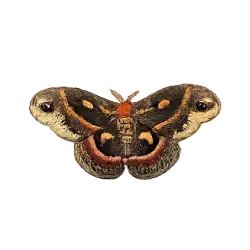 | D | 32/100 category fit | Cecropia Moth lands in the D tier for invasive based on AnimalDex canonical profile stats, species-guide traits, and category-specific biology signals. | Read species guide |
| #91 | 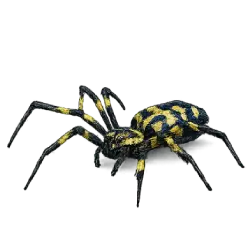 | D | 32/100 category fit | Joro Spider lands in the D tier for invasive based on AnimalDex canonical profile stats, species-guide traits, and category-specific biology signals. | Read species guide |
| #92 | 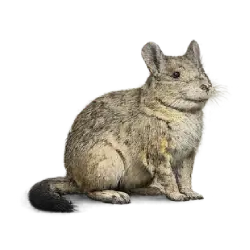 | D | 32/100 category fit | Plains Vizcacha lands in the D tier for invasive based on AnimalDex canonical profile stats, species-guide traits, and category-specific biology signals. | Read species guide |
| #93 | 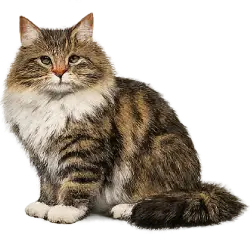 | D | 32/100 category fit | Norwegian Forest Cat lands in the D tier for invasive based on AnimalDex canonical profile stats, species-guide traits, and category-specific biology signals. | Read species guide |
| #94 | 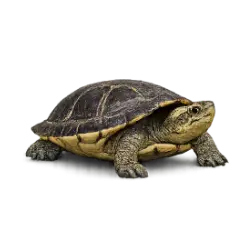 | D | 31/100 category fit | Indochinese Box Turtle lands in the D tier for invasive based on AnimalDex canonical profile stats, species-guide traits, and category-specific biology signals. | Read species guide |
| #95 | 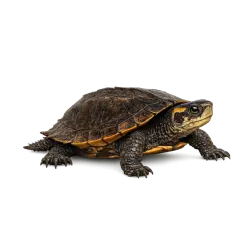 | D | 31/100 category fit | Black-breasted Leaf Turtle lands in the D tier for invasive based on AnimalDex canonical profile stats, species-guide traits, and category-specific biology signals. | Read species guide |
| #96 |  | D | 31/100 category fit | Gorilla lands in the D tier for invasive based on AnimalDex canonical profile stats, species-guide traits, and category-specific biology signals. | Read species guide |
| #97 | 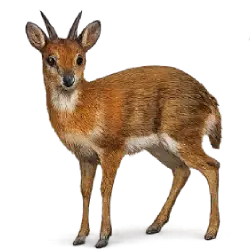 | D | 31/100 category fit | Royal Antelope lands in the D tier for invasive based on AnimalDex canonical profile stats, species-guide traits, and category-specific biology signals. | Read species guide |
| #98 |  | D | 31/100 category fit | Bush Dog lands in the D tier for invasive based on AnimalDex canonical profile stats, species-guide traits, and category-specific biology signals. | Read species guide |
| #99 | 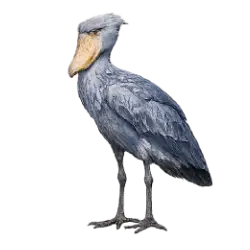 | D | 31/100 category fit | Shoebill lands in the D tier for invasive based on AnimalDex canonical profile stats, species-guide traits, and category-specific biology signals. | Read species guide |
| #100 | 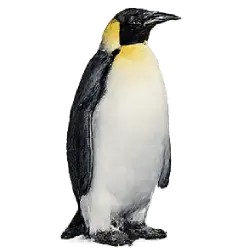 | D | 31/100 category fit | Emperor Penguin lands in the D tier for invasive based on AnimalDex canonical profile stats, species-guide traits, and category-specific biology signals. | Read species guide |
Methodology
This section matters. It explains what the ranking is really measuring, where category boundaries matter, and why the page should not be read like junk SEO filler.
- Ranking weight comes from establishment success outside native range, documented ecological pressure, predator or prey disruption, competitive effect, and practical difficulty of control.
- This page stays animal-focused rather than trying to cover plants, fungi, and microbes. It is also limited to species represented in the AnimalDex dataset, so the list is best read as a strong animal-focused answer rather than a universal invasive-species census.
- Where a species is better understood as regionally feral or introduced rather than one uniform global invader, the short reason states that context.
Breakdown and nuance
The strongest ranking pages explain where the headline answer is solid, where the category splits, and where readers should avoid overclaiming.
Lionfish is the clearest animal-only invasive headline here because it disrupts reef systems with a combination of predation pressure, rapid establishment, and frustrating control limits. Cane toad and American bullfrog stay close because they translate adaptability into broad ecosystem consequences.
If a reader mainly cares about large mammals, this ranking is not the best entry point. That is why the related page on the largest introduced and invasive animals exists separately.
Animal highlights
Use these species-linked highlights to move from the ranking into deeper AnimalDex guides.
Lionfish
Lionfish leads because it combines fast establishment, broad prey pressure, and stubborn control problems in invaded reef systems.
Lionfish are venomous reef predators with ornate fins, patient hovering behavior, and major ecological impact where introduced beyond their native range.
Read species guideCane Toad
Cane toad stays near the top because its toxicity and disturbance tolerance let it damage food webs far beyond a normal toad footprint.
Cane Toad is a amphibian known for large warty body, poison glands behind the head, and tough adaptable ground movement.
Read species guideAmerican Bullfrog
American bullfrog belongs in the top tier because it is a broad-eating, hard-to-remove invader in many freshwater systems.
The American bullfrog is a large pond and marsh amphibian known for deep calls, strong hind legs, and broad tolerance for warm freshwater habitat.
Read species guideRed Fox
Red fox ranks highly because it is an unusually effective adaptable predator in regions where native prey evolved without that exact pressure.
The red fox is a versatile medium-sized canid known for sharp hearing, adaptable diet, and success in habitats ranging from remote countryside to cities.
Read species guideReticulated Python
Reticulated python is a major invasive conversation piece because once large constrictors establish, control gets difficult very quickly.
The reticulated python is one of the world’s longest snakes, built for stealth, constriction, and flexible hunting across forests, wetlands, and edge habitats in Southeast Asia.
Read species guideSika Deer
Sika deer matters because introduced deer can alter browse patterns, compete with natives, and persist across mixed landscapes.
Sika Deer is a mammal known for spotted coat in summer, stiff alert posture, and woodland-and-grassland grazing.
Read species guideDromedary Camel
Dromedary camel stays relevant because feral populations can impose large-scale water and vegetation pressure in arid systems.
The dromedary camel is a one-humped desert animal built for heat, distance, and dry-country travel.
Read species guideHoney Bee
Honey bee is not a classic shock-value invader, but introduced populations can still reshape pollination competition in sensitive environments.
Honey bees are social pollinators that collect nectar and pollen, coordinate foraging through shared signals, and help connect flowering plants to wider food systems.
Read species guideReindeer
Reindeer earns a late slot because introduced populations can heavily pressure fragile northern vegetation where recovery is slow.
The reindeer is a cold-adapted deer famous for long migrations, broad hooves, and antlers on both males and many females.
Read species guideYak
Yak rounds out the list as a hard-environment grazer whose introduced presence can matter more than readers expect in thin ecological systems.
The yak is a shaggy high-altitude bovine adapted to cold plateaus, thin air, and rough mountain conditions.
Read species guideCollect animals like these in AnimalDex
Move from headline lists into species guides, real sightings, and a collection built around the fastest, strongest, and smartest animals you care about.
Related tier lists
Continue into nearby tier-list pages to compare more categories without losing context.
Largest Introduced and Invasive Animals in the World: Top 100 Tier List
A structured ranking of the largest introduced and invasive animals, prioritizing body size first while still accounting for how disruptive those animals can become outside their native range.
Read tier listMost Adaptable Animals in the World: Top 100 Tier List
A structured ranking of the most adaptable animals in the world, focusing on habitat flexibility, behavioral adjustment, problem solving, and success in changing conditions.
Read tier listAnimals with the Best Camouflage: Top 100 Tier List
A structured ranking of animals with the best camouflage, focusing on concealment quality, background matching, adaptive color change, and how often camouflage changes outcomes.
Read tier listTier-list FAQ
Short direct answers to the follow-up questions readers usually ask after the headline ranking.
What is the most invasive animal in the world?
In this dataset, lionfish is the clearest invasive-animal headline because its invaded-range impact is so consistently severe.
Why do smaller invasive animals often outrank bigger ones?
Because spread speed, reproduction, and ecological disruption usually matter more than raw body size.