
Panduan lapangan hewan
Crocodile
Identifikasi, habitat, rarity, perilaku, simbolisme, fakta, dan pelajaran praktis dari alam.
Panduan lapangan hewan
Crocodile
Ancient Timing
Wait in water.
Old survival designs last because they do not waste movement.
You’re #1 of 1
Native range
Natural range, not this capture location
Rivers, estuaries, mangroves, floodplains, swamps, and shorelines with reliable basking and ambush cover.
Wild reward hint
First-time wild species earn bonus rewards, including 1 free credit.
0/1 XP toward Level 2
AnimalDex stats
Dominance
94
Speed
56
Size
88
Intelligence
38
Rarity
35%
Total
311
Size scale
Zoo animal · comparisons disabled
Zoo animals stay in your collection, but they can't enter scenario comparisons or the Arena.
✦ Available actions
Compare this public animal when your deck meets the current rules.
Nama ilmiah
Crocodylidae
Kategori
Reptile
Habitat
Rivers, estuaries, mangroves, floodplains, swamps, and shorelines with reliable basking and ambush cover.
Rarity
Relatively common · 20/100
Native range
Tropical and subtropical Africa, Asia, Australia, and the Americas depending on species.
Mengapa Ancient Timing?
Alasan di balik Prinsip Hewan ini dan biologi yang mendukungnya.
Crocodiles are powerful semi-aquatic predators built for ambush, with pressure-sensitive jaws, armored bodies, and explosive short-range acceleration.
Cara mengidentifikasi Crocodile
- Long V-shaped snout with exposed teeth even when mouth is closed
- Armored body and muscular tail adapted for water propulsion
- Eyes and nostrils placed high on the head near the skull top
Kenapa Crocodile menarik
- Crocodiles are classic edge predators whose design is built around terrain control more than speed.
- They show how ancient reptile body plans can remain brutally effective.
Habitat: Rivers, estuaries, mangroves, floodplains, swamps, and shorelines with reliable basking and ambush cover.
Native range: Tropical and subtropical Africa, Asia, Australia, and the Americas depending on species.
nativeRangeCardTitle
nativeRangeCardDescription
Rivers, estuaries, mangroves, floodplains, swamps, and shorelines with reliable basking and ambush cover.
To find Crocodile in the wild, focus on the exact habitat patches that match its body design and daily behavior, not just the broad country where it exists. You usually do better by working one good piece of habitat inside tropical and subtropical Africa, Asia, Australia, and the Americas depending on species. than by covering too much ground.
- Quiet marsh edges, reedbeds, river bends, or shallow wetland margins
- Open grassland edges, lightly wooded plains, or raised ground where you can scan long distances
- Headlands, reef edges, island colonies, tidal channels, or productive coastal water
- First light and late afternoon are often best, when animals come out to feed along the edge of water.
- Use binoculars from a track, ridge, or vehicle stop and scan far ahead before you move closer.
- Warm rocks, trail edges, fallen timber, and quiet water margins are usually better than heavily disturbed ground.
Crocodiles are carnivores that eat whatever animal prey they can ambush and overpower. Larger individuals take larger prey, while younger crocodiles start with much smaller meals.
- Fish, amphibians, and aquatic animals
- Birds and mammals that approach the water's edge
- Carrion or larger prey items when size and opportunity allow
Diet changes sharply with age, body size, and the kind of wetland or shoreline habitat the crocodile controls.
- Waits motionless at access points used by prey
- Uses short explosive lunges rather than long chases
- Basks to manage body temperature and digestion
Crocodile most often symbolizes ancient timing in AnimalDex because its real survival behavior repeatedly shows this pattern.
Old survival designs last because they do not waste movement.
Crocodiles are ambush predators that use stillness, water cover, and explosive strikes.
- Stay well back from river margins and launch sites in crocodile habitat.
- Never assume a still animal is inactive or uninterested.
Hewan terkait
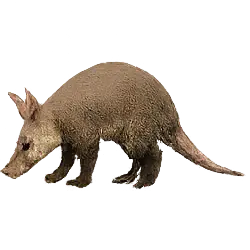
Aardvark
The aardvark is a nocturnal African mammal known for its long snout, strong digging…
Baca panduan spesies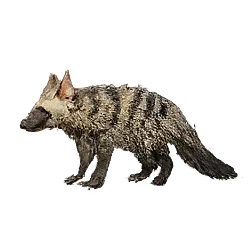
Aardwolf
The aardwolf is a small striped relative of hyenas that feeds mainly on termites rather…
Baca panduan spesies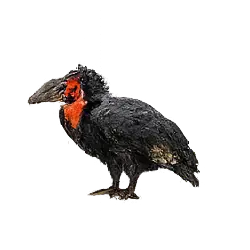
Abyssinian Ground Hornbill
Abyssinian Ground Hornbill is a bird known for bare red facial skin, huge…
Baca panduan spesiesLebih banyak hewan dengan kekuatan Ambush
Jelajahi semua hewan Ambush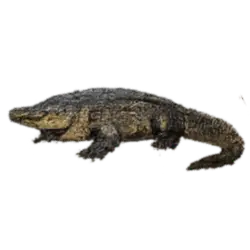
Bawa ensiklopedia ke dunia nyata
AnimalDex membantumu memindai hewan nyata, mengidentifikasi spesies, mengoleksi kartu, dan belajar dari alam di mana pun kamu berada.
Panduan blog terkait
Lanjutkan belajar lewat artikel praktis yang terhubung dengan spesies ini.
Crocodile Symbolism: Estuary Power, Patient Ambush & Ancient Endurance
Explore crocodile symbolism through estuary chokepoints, explosive ambush, ancient lineage, and the archetype of preserving energy for decisive moves.
Baca artikel blogHow Crocodiles Dominate the Water Edge: Ambush, Behavior, and Ecosystem Role
Understand crocodile behavior, ambush survival strategy, ecosystem role, and why riverbanks and estuaries become so dangerous when crocodiles control the chokepoints.
Baca artikel blogComparisons terkait
Lihat bagaimana spesies ini tampil di halaman perbandingan AnimalDex yang terstruktur.
Crocodile vs Alligator: Which Crocodilian Has the Edge?
Crocodile usually gets the slight overall edge because it is often more aggressive and more built for a wider range of salty and open-water environments. Alligator remains massively dangerous and can look better in some freshwater ambush contexts.
Baca halaman comparisonCrocodile vs Black Caiman: Which Aquatic Predator Has the Edge?
Crocodile gets the slight broader edge through more generalized dominance and a stronger all-round reputation. Black caiman remains extremely dangerous and fully credible in quiet river-ambush contexts.
Baca halaman comparisonCrocodile vs Polar Bear: Which Predator Has the Edge?
Polar bear gets the overall edge on land or partial land because it is larger, more mobile out of water, and better at sustained violent contact once the crocodile loses ambush shape. Crocodile becomes far more dangerous in water-linked ambush where the bite starts first and the bear does not control footing.
Baca halaman comparisonCrocodile vs Shark: Who Wins Where Water Meets Shore?
Great white shark has the edge in open ocean. Crocodile becomes more dangerous the closer the matchup gets to shallow water, shoreline bottlenecks, and ambush-heavy edge habitat.
Baca halaman comparisonMuncul di tier list
Lihat posisi spesies ini di halaman tier list AnimalDex yang dibangun dengan perbandingan terstruktur dan metodologi yang jelas.
#1 · Armor
Animals with the Strongest Armor: Top 100 Tier List
Crocodile is the clearest top answer because its armored body still remains brutally functional in real conflict.
Baca tier list#1 · Bite Force
Animals With the Strongest Bite Force: Top 100 Tier List
Crocodile sits at the top because its entire predatory design is built around devastating jaw control.
Baca tier list#1 · Fatality
Deadliest Animals to Humans in the Wild: Top 100 Tier List
Crocodile leads because ambush success, bite power, and water-edge surprise make a bad encounter extraordinarily hard to survive.
Baca tier list