
Panduan lapangan hewan
Atlas Moth
Identifikasi, habitat, rarity, perilaku, simbolisme, fakta, dan pelajaran praktis dari alam.
The Giant Final Flyer. The Atlas Moth spends most of its life preparing for one brief beautiful time to spread its huge wings and fly. It teaches us that rest and preparation can be part of something magnificent.
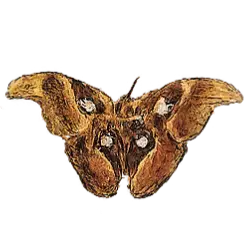
Kartu AnimalDex
Buka kartu hewan ini
Pindai atau tangkap hewan ini dengan AnimalDex untuk membuka kartu koleksi dan menambahkannya ke koleksi satwa liarmu.
Dapatkan AnimalDexNama ilmiah
Attacus atlas
Kategori
Insect
Habitat
Tropical forest, plantation edge, and wooded gardens with suitable host plants.
Rarity
Uncommon · 58/100
Native range
South and Southeast Asia.
Final Splendor
Spend the stored light.
Giant Adult Nonfeeding Flight
Apa yang diajarkannya
Preparation becomes magnificent when the brief window finally opens.
Coba
Your chance is brief, so you prepare hard before the spotlight arrives.
Bukti alam
Atlas Moths are giant silk moths whose adults have short lives, do not feed, and rely on energy stored from the larval stage for reproduction.
Gunakan untuk
Tangkapan Atlas Moth berperingkat
Belum ada tangkapan komunitas berperingkat untuk spesies ini.
Mengapa Final Splendor?
Alasan di balik Prinsip Hewan ini dan biologi yang mendukungnya.
The atlas moth is one of the world’s largest moths, known for enormous patterned wings and a short adult life focused mainly on reproduction.
Cara mengidentifikasi Atlas Moth
- Huge rust-brown wings with pale windows and snake-head-like tips
- Heavy fuzzy body compared with most moths
- Usually seen resting rather than actively feeding as an adult
Kenapa Atlas Moth menarik
- The species is visually spectacular and biologically useful for teaching life-stage trade-offs.
- Its adult phase is a strong reminder that not every animal stage is built for feeding.
Habitat: Tropical forest, plantation edge, and wooded gardens with suitable host plants.
Native range: South and Southeast Asia.
nativeRangeCardTitle
nativeRangeCardDescription
Tropical forest, plantation edge, and wooded gardens with suitable host plants.
To find Atlas Moth in the wild, focus on the exact habitat patches that match its body design and daily behavior, not just the broad country where it exists. You usually do better by working one good piece of habitat inside south and Southeast Asia. than by covering too much ground.
- Forest edge, canopy gaps, fruiting trees, or shaded trails where cover and food meet
- Protected habitat blocks within south and Southeast Asia.
- Start early, pick one strong patch of habitat, and stay long enough for movement to return after you arrive.
- Work edges, clearings, fruiting trees, and stream crossings rather than walking randomly through dense cover.
- Move quietly, stop often, and give the habitat time to settle; many mammals and insects show themselves only after the first pause.
Caterpillars feed on leaves of many trees and shrubs, while adults do not feed. That diet makes Final Splendor literal: the beauty of the adult is paid for before the wings ever open.
Birds, bats, lizards, spiders, parasitoids, and habitat loss threaten Atlas Moths. Camouflage, large wing markings, and brief nighttime activity help protect a body built for one short opportunity.
Adults are mostly nocturnal, emerging and seeking mates after dark. The rhythm fits Final Splendor because the stored light is spent in a short night-facing window.
Atlas Moths often live weeks as adults at most, after a longer larval and cocoon stage. The short adult life sharpens the lesson: preparation matters because the final opening is brief.
Females lay clusters of eggs on suitable host plants, placing the next generation where leaves can fuel the long preparation stage. The future begins as stored growth, not instant display.
Females are usually larger and heavier-bodied for egg production, while males often have broader feathery antennae for detecting female scent. The difference reinforces the split between signal, search, and stored reproduction.
- Adults rely on energy stored from the caterpillar stage
- Large wings deter predators and assist short gliding flights
- Larvae feed heavily on leaves before rapid growth completion
Atlas Moth most often symbolizes final splendor in AnimalDex because its real survival behavior repeatedly shows this pattern.
Preparation becomes magnificent when the brief window finally opens.
Atlas Moths are giant silk moths whose adults have short lives, do not feed, and rely on energy stored from the larval stage for reproduction.
- Do not handle resting moths because wing scales damage easily.
- Use soft light and let perched adults remain undisturbed.
- Other giant silk moths
- Leaf clusters on walls
- Bat silhouette in low light
statsTitle
statsDescription
statsSourceLabel: statsSourceSpeciesProfile
dominanceStat
22
speedStat
32
sizeStat
6
intelligenceStat
24
rarityStat
58%
Total
142
Size scale
Tiny
Uses the canonical size stat for consistent placement

US$92 – US$190
Perkiraan rentang nilai
Kepercayaan 69%
Perkiraan nilai AnimalDex dibuat dari stat spesies kanonik.
Not a marketplace listing.
Perkiraan nilai berdasarkan hewan yang teridentifikasi dan konteks harga yang tersedia. Bukan daftar marketplace.
Seberapa langka Atlas Moth?
Rarity: Uncommon (58/100)
Atlas moths are local and seasonal rather than truly common, and adults are short-lived even where breeding habitat persists.
Systems Intelligence & Hidden Purpose
Sudut pandang systems biology untuk melihat bagaimana spesies ini dibangun, peran apa yang dijalankannya di ekosistem, dan pelajaran praktis apa yang bisa dipetik manusia.
System Role
The One-Cycle Messenger
Atlas Moth
Specialized Hardware
Massive wing display, stored larval energy, and adult life focused almost entirely on reproduction make atlas moths short-window signaling hardware.
Systems Script
Atlas moths compress their adult mission into mating, while caterpillars do the real accumulation phase earlier. The design is blunt but effective: build first, signal later.
Strategic Insight
Not every phase should multitask. Some windows are for building, others are for deploying.
Public Animal Power
Explore this Animal Power
This is a public capture, so you can explore its Animal Power here. Personal Apex matches and challenges use your Wild Profile and animals you own.
Own an animal with this power to use it in Growth challenges.
Hewan terkait
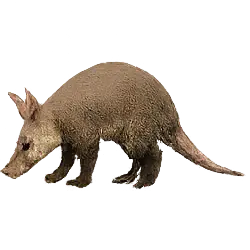
Aardvark
The aardvark is a nocturnal African mammal known for its long snout, strong digging…
Baca panduan spesies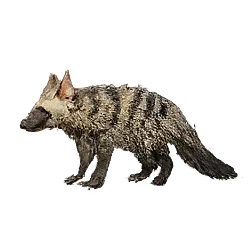
Aardwolf
The aardwolf is a small striped relative of hyenas that feeds mainly on termites rather…
Baca panduan spesies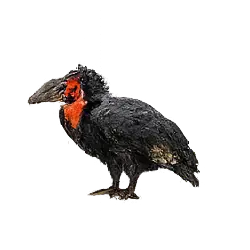
Abyssinian Ground Hornbill
Abyssinian Ground Hornbill is a bird known for bare red facial skin, huge…
Baca panduan spesiesLebih banyak hewan dengan kekuatan Beauty
Jelajahi semua hewan Beauty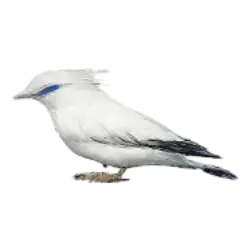
Bali Myna
The Bali myna is a striking white starling with blue skin around the eye, a crest, and…
Baca panduan spesies
Blue Morpho
Blue Morpho is a insect known for iridescent blue wings, broad slow gliding flight, and…
Baca panduan spesies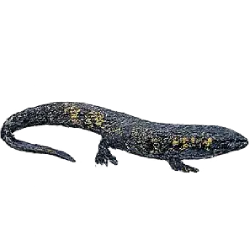
Blue-spotted Salamander
Blue-spotted Salamander is a amphibian known for blue-flecked dark body, secretive log…
Baca panduan spesiesBawa ensiklopedia ke dunia nyata
AnimalDex membantumu memindai hewan nyata, mengidentifikasi spesies, mengoleksi kartu, dan belajar dari alam di mana pun kamu berada.