
Panduan lapangan hewan
Axolotl
Identifikasi, habitat, rarity, perilaku, simbolisme, fakta, dan pelajaran praktis dari alam.
The Feathergill Healing Wonder. The Axolotl uses frilly head gills and a calm underwater body while holding an amazing power to regrow lost parts. It teaches us that healing can be a real kind of strength.
Nama ilmiah
Ambystoma mexicanum
Kategori
Amphibian
Habitat
Cool freshwater canals, remnant lakes, and slow wetland channels with cover.
Rarity
Very rare · 85/100
Native range
Originally endemic to the lake system around Mexico City.
Regeneration
Master where you are before chasing what's next.
Regrow what was lost before rushing into a different form.
Apa yang diajarkannya
Recover first, improve second, transform only when necessary.
Coba
You are recovering, so you heal first and improve second.
Bukti alam
Often remains in juvenile aquatic form and is famous for regeneration; thrives by developing strengths in its current state.
Gunakan untuk
Tangkapan Axolotl berperingkat
1 tangkapan berperingkat dalam grup ini dari kolektor AnimalDex.
Lenny
@lendawgZoo · Puffy Cotton Candy Jakarta Aquarium · Near SoHo Podomoro City, West Jakarta, Indonesia
Skor 2
Mengapa Regeneration?
Alasan di balik Prinsip Hewan ini dan biologi yang mendukungnya.
The axolotl is an aquatic salamander famous for retaining larval features into adulthood, external gills, and remarkable tissue regeneration.
Cara mengidentifikasi Axolotl
- External feathery gills projecting from each side of the head
- Broad smiling face and long finned tail
- Fully aquatic body form even as a reproductive adult
Kenapa Axolotl menarik
- Axolotls are biologically famous for regeneration and developmental unusualness.
- They also show how iconic animals can still be perilously fragile in the wild.
Habitat: Cool freshwater canals, remnant lakes, and slow wetland channels with cover.
Native range: Originally endemic to the lake system around Mexico City.
To find Axolotl in the wild, focus on the exact habitat patches that match its body design and daily behavior, not just the broad country where it exists. You usually do better by working one good piece of habitat inside originally endemic to the lake system around Mexico City. than by covering too much ground.
- Quiet marsh edges, reedbeds, river bends, or shallow wetland margins
- Protected habitat blocks within originally endemic to the lake system around Mexico City.
- First light and late afternoon are often best, when animals come out to feed along the edge of water.
- Watch the transition line between open water and cover, because feeding and movement often happen on that edge.
- Warm rocks, trail edges, fallen timber, and quiet water margins are usually better than heavily disturbed ground.
They eat worms, insect larvae, small crustaceans, small fish, and other aquatic prey. The diet fits Regeneration because recovery needs steady fuel in a low-stress water environment.
Birds, larger fish, pollution, invasive species, and habitat loss threaten them. Their healing power is extraordinary, but it cannot repair a destroyed lake.
They are often crepuscular or nocturnal, resting in cover and feeding in lower light. Their rhythm favors calm movement and repair over frantic activity.
Axolotls commonly live 10 to 15 years in care and can survive for years in suitable water. The lifespan gives repeated chances to recover, grow, and remain what they are.
Females lay many eggs attached to aquatic plants or surfaces, and larvae develop in water with external gills. The next generation begins already committed to the aquatic path.
Males often have a more swollen cloaca and longer tail, while females are rounder when carrying eggs. The differences support breeding, but both sexes share the regenerative aquatic design.
- Feeds on worms, aquatic invertebrates, and small prey by suction
- Remains aquatic throughout life rather than shifting fully onto land
- Uses still or slow water with submerged cover
Axolotl most often symbolizes regeneration in AnimalDex because its real survival behavior repeatedly shows this pattern.
Recover first, improve second, transform only when necessary.
Often remains in juvenile aquatic form and is famous for regeneration; thrives by developing strengths in its current state.
- Support legitimate conservation channels rather than novelty wildlife trade.
- Treat wild-location details with caution because habitat is extremely limited.
- Mudpuppy
- Larval salamanders
- Captive morph varieties
1/3 XP toward Level 3
statsTitle
statsDescription
statsSourceLabel: statsSourceSpeciesProfile
dominanceStat
28
speedStat
22
sizeStat
12
intelligenceStat
32
rarityStat
85%
Total
179
Size scale
Small
Uses the canonical size stat for consistent placement



US$80 – US$900
Perkiraan rentang nilai
Kepercayaan 66%
Perkiraan nilai AnimalDex menggunakan baseline stewardship global untuk spesies ini.
Not a marketplace listing.
Perkiraan nilai berdasarkan hewan yang teridentifikasi dan konteks harga yang tersedia. Bukan daftar marketplace.
Seberapa langka Axolotl?
Rarity: Very rare (85/100)
Wild axolotls are critically restricted and heavily threatened by urbanization, pollution, and introduced fish.
Systems Intelligence & Hidden Purpose
Sudut pandang systems biology untuk melihat bagaimana spesies ini dibangun, peran apa yang dijalankannya di ekosistem, dan pelajaran praktis apa yang bisa dipetik manusia.
System Role
The Permanent Juvenile Repair Lab
Axolotl
Specialized Hardware
External gills, aquatic neoteny, and unusual regenerative capacity make axolotls living hardware for low-motion survival and tissue rebuilding.
Systems Script
Axolotls occupy cool freshwater systems where regeneration, camouflage, and patience outperform speed. They are less about domination and more about biological repair efficiency under pressure.
Strategic Insight
Some systems win not by avoiding damage entirely, but by rebuilding faster than disruption compounds.
Public Animal Power
Explore this Animal Power
This is a public capture, so you can explore its Animal Power here. Personal Apex matches and challenges use your Wild Profile and animals you own.
Own an animal with this power to use it in Growth challenges.
Comparison hearts ready
3 of 3 hearts remaining. Each loss removes 1 heart.
✦ Available actions
Compare this public animal when your deck meets the current rules.
⚡CompareUnavailable›Hewan terkait
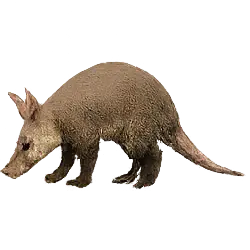
Aardvark
The aardvark is a nocturnal African mammal known for its long snout, strong digging…
Baca panduan spesies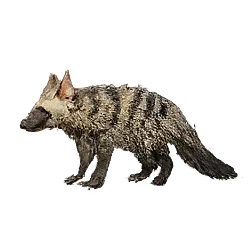
Aardwolf
The aardwolf is a small striped relative of hyenas that feeds mainly on termites rather…
Baca panduan spesies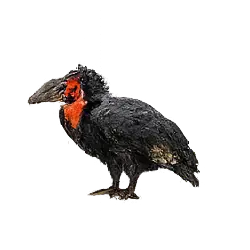
Abyssinian Ground Hornbill
Abyssinian Ground Hornbill is a bird known for bare red facial skin, huge…
Baca panduan spesiesLebih banyak hewan dengan kekuatan Confidence
Jelajahi semua hewan Confidence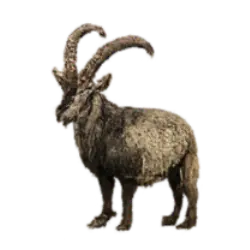
Alpine Ibex
Alpine Ibex is a mammal known for massive curved horns, rock-face climbing power, and…
Baca panduan spesies
Amboina Sailfin Lizard
Amboina Sailfin Lizard teaches Crested Display because its real biology turns…
Baca panduan spesies
American Bullfrog
The American bullfrog is a large pond and marsh amphibian known for deep calls, strong…
Baca panduan spesiesBawa ensiklopedia ke dunia nyata
AnimalDex membantumu memindai hewan nyata, mengidentifikasi spesies, mengoleksi kartu, dan belajar dari alam di mana pun kamu berada.
Panduan blog terkait
Lanjutkan belajar lewat artikel praktis yang terhubung dengan spesies ini.
Axolotl Symbolism: Endangered Wonder, Regeneration, Child-Like Energy & Creative Rebirth
Explore axolotl symbolism through endangered wonder, child-like curiosity, creativity, regeneration, neoteny, innocence, healing, and the strange magic of staying soft in a world that demands hardness.
Baca artikel blogMuncul di tier list
Lihat posisi spesies ini di halaman tier list AnimalDex yang dibangun dengan perbandingan terstruktur dan metodologi yang jelas.
#7 · Resilience
Most Resilient Animals in the World: Top 100 Tier List
Axolotl earns a place because regeneration is one of the clearest forms of biological resilience.
Baca tier list