
Panduan lapangan hewan
Mudpuppy
Identifikasi, habitat, rarity, perilaku, simbolisme, fakta, dan pelajaran praktis dari alam.
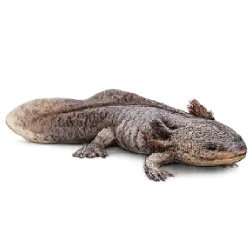
The water-gilled night animal. The Mudpuppy is a salamander that keeps its feathery gills even as an adult and lives underwater all the time. It slips through cool dark water like a little river dragon. In human life, that means our best results often come from understanding what we are built for and using it well.
Kartu AnimalDex
Buka kartu hewan ini
Pindai atau tangkap hewan ini dengan AnimalDex untuk membuka kartu koleksi dan menambahkannya ke koleksi satwa liarmu.
Dapatkan AnimalDexNama ilmiah
Necturus maculosus
Kategori
Amphibian
Habitat
Cool rivers, lakes, reservoirs, and rocky freshwater bottoms.
Rarity
Uncommon · 67/100
Native range
Eastern and central North America in suitable freshwater systems.
Permanent Youth
Keep the water-shape.
Permanent External Gills
Apa yang diajarkannya
Keep what works, even when others change.
Coba
You keep beginner curiosity in a senior role by asking simple questions others are afraid to ask.
Bukti alam
Mudpuppies retain external gills into adulthood and remain fully aquatic, showing paedomorphic development.
Gunakan untuk
Tangkapan Mudpuppy berperingkat
Belum ada tangkapan komunitas berperingkat untuk spesies ini.
Mengapa Permanent Youth?
Alasan di balik Prinsip Hewan ini dan biologi yang mendukungnya.
The mudpuppy is a fully aquatic salamander known for red external gills, flat body shape, and life in cool freshwater.
Cara mengidentifikasi Mudpuppy
- Feathery red external gills
- Flattened body and tail
- Spotted brown coloration
- Lives underwater year-round
Kenapa Mudpuppy menarik
- Mudpuppy is a useful example of how anatomy and habitat fit together as one survival system.
- Its shape, movement style, and food strategy make it easy to compare with related animals.
- This species turns one page into a lesson about adaptation, ecosystem role, and identification.
Habitat: Cool rivers, lakes, reservoirs, and rocky freshwater bottoms.
Native range: Eastern and central North America in suitable freshwater systems.
nativeRangeCardTitle
nativeRangeCardDescription
Cool rivers, lakes, reservoirs, and rocky freshwater bottoms.
To find Mudpuppy in the wild, focus on the exact habitat patches that match its body design and daily behavior, not just the broad country where it exists. You usually do better by working one good piece of habitat inside eastern and central North America in suitable freshwater systems. than by covering too much ground.
- Quiet marsh edges, reedbeds, river bends, or shallow wetland margins
- Protected habitat blocks within eastern and central North America in suitable freshwater systems.
- First light and late afternoon are often best, when animals come out to feed along the edge of water.
- Watch the transition line between open water and cover, because feeding and movement often happen on that edge.
- Warm rocks, trail edges, fallen timber, and quiet water margins are usually better than heavily disturbed ground.
Crayfish, worms, insect larvae, snails, small fish, and carrion support the lesson because bottom-feeding rewards a body that remains close to water and stone.
Large fish, herons, snakes, mammals, pollution, and habitat disturbance threaten them. Hiding under rocks and logs protects the soft gilled body.
Mostly nocturnal, sheltering by day under rocks or debris and foraging along the bottom after dark.
Often 10 to 20 years; the long life gives its retained gills dignity as a durable adult strategy.
Females attach eggs under rocks or logs and guard them for a time, turning hidden underwater spaces into nurseries.
Sexes are similar, though males may show seasonal cloacal swelling; the main lesson belongs to the shared aquatic body plan.
- Mudpuppy adjusts movement and feeding to match light, temperature, and food access in its habitat.
- Body design, timing, and shelter choices all help this species stay effective in the wild.
- Patient observation usually reveals more behavior than close approach or fast movement.
Mudpuppy most often symbolizes permanent youth in AnimalDex because its real survival behavior repeatedly shows this pattern.
Keep what works, even when others change.
Mudpuppies retain external gills into adulthood and remain fully aquatic, showing paedomorphic development.
- Keep distance and let the animal choose the space.
- Avoid blocking movement routes, nesting areas, or feeding behavior.
- Use optics, patience, and quiet observation instead of crowding for a closer view.
- Regional relatives may look similar at a distance.
- Juveniles, adults, and seasonal forms can differ in color or size.
- Light, angle, and habitat context can change how field marks appear.
statsTitle
statsDescription
statsSourceLabel: statsSourceSpeciesProfile
dominanceStat
37
speedStat
39
sizeStat
24
intelligenceStat
27
rarityStat
67%
Total
194
Size scale
Medium
Uses the canonical size stat for consistent placement
US$153 – US$317
Perkiraan rentang nilai
Kepercayaan 69%
Perkiraan nilai AnimalDex dibuat dari stat spesies kanonik.
Not a marketplace listing.
Perkiraan nilai berdasarkan hewan yang teridentifikasi dan konteks harga yang tersedia. Bukan daftar marketplace.
Seberapa langka Mudpuppy?
Rarity: Uncommon (67/100)
Mudpuppies are locally hidden and depend on clean cold water and underwater structure.
Systems Intelligence & Hidden Purpose
Sudut pandang systems biology untuk melihat bagaimana spesies ini dibangun, peran apa yang dijalankannya di ekosistem, dan pelajaran praktis apa yang bisa dipetik manusia.
System Role
The Permanent-Water Amphibian
Mudpuppy
Specialized Hardware
Feathery red external gills, flattened body and tail, and spotted brown coloration give the Mudpuppy a body plan tuned for its niche.
Systems Script
Mudpuppys operate in cool rivers, lakes, reservoirs, and rocky freshwater bottoms. Their design helps them match food access, shelter, and timing inside that environment.
Strategic Insight
Some systems work by never leaving the environment they were built for.
Public Animal Power
Explore this Animal Power
This is a public capture, so you can explore its Animal Power here. Personal Apex matches and challenges use your Wild Profile and animals you own.
Own an animal with this power to use it in Growth challenges.
Hewan terkait
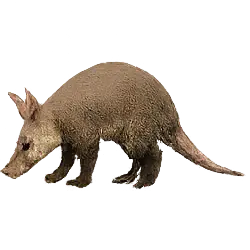
Aardvark
The aardvark is a nocturnal African mammal known for its long snout, strong digging…
Baca panduan spesies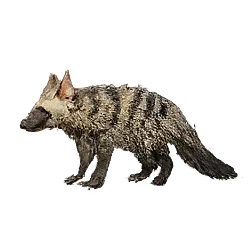
Aardwolf
The aardwolf is a small striped relative of hyenas that feeds mainly on termites rather…
Baca panduan spesies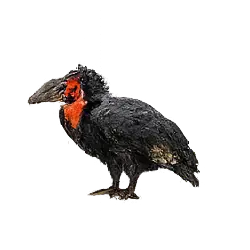
Abyssinian Ground Hornbill
Abyssinian Ground Hornbill is a bird known for bare red facial skin, huge…
Baca panduan spesiesLebih banyak hewan dengan kekuatan Growth
Jelajahi semua hewan Growth
American Lobster
American Lobster grows power slowly, using cold water, shelter competition, claws, and…
Baca panduan spesies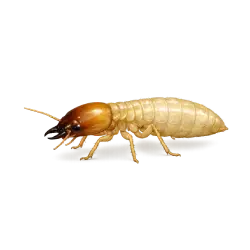
Asian subterranean termite
The Winged Architect. The Asian subterranean termite alate, Macrotermes gilvus, is a…
Baca panduan spesies
Axolotl
The axolotl is an aquatic salamander famous for retaining larval features into…
Baca panduan spesiesBawa ensiklopedia ke dunia nyata
AnimalDex membantumu memindai hewan nyata, mengidentifikasi spesies, mengoleksi kartu, dan belajar dari alam di mana pun kamu berada.