
Panduan lapangan hewan
Barn Swallow
Identifikasi, habitat, rarity, perilaku, simbolisme, fakta, dan pelajaran praktis dari alam.
The Barn Sky Sweeper. The Barn Swallow uses a wide mouth and a forked tail to scoop flying insects out of the air. It teaches us that graceful practice can make hard work look easy.
Nama ilmiah
Hirundo rustica
Kategori
Bird
Habitat
Farmland, grassland, wetlands, villages, and open country with insect-rich airspace and nesting ledges.
Rarity
Relatively common · 15/100
Native range
Widespread across the Northern Hemisphere with long-distance migration into the Southern Hemisphere.
Continuity
Stay in flight.
Fork-Tailed Aerial Feeding
Apa yang diajarkannya
When motion stays unbroken, work becomes flight.
Coba
A big task drags on, so you keep the streak alive without stopping.
Bukti alam
Barn Swallows catch flying insects on the wing, using streamlined bodies, long pointed wings, forked tails, and agile flight to feed while moving through open air.
Gunakan untuk
Tangkapan Barn Swallow berperingkat
1 tangkapan berperingkat dalam grup ini dari kolektor AnimalDex.
Mengapa Continuity?
Alasan di balik Prinsip Hewan ini dan biologi yang mendukungnya.
Barn swallows are agile aerial insectivores known for forked tails, high-speed turning, and close ties to open landscapes and human structures.
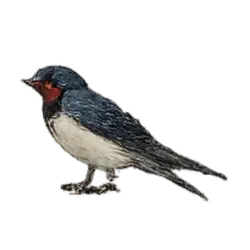
Cara mengidentifikasi Barn Swallow
- Deeply forked tail with long outer streamers
- Glossy blue upperparts and warm buff underparts
- Fast sweeping flight low over fields and water
Kenapa Barn Swallow menarik
- Swallows make aerial feeding efficiency easy to observe at human scale.
- Their close association with buildings links wild migration to everyday places.
Habitat: Farmland, grassland, wetlands, villages, and open country with insect-rich airspace and nesting ledges.
Native range: Widespread across the Northern Hemisphere with long-distance migration into the Southern Hemisphere.
To find Barn Swallow in the wild, focus on the exact habitat patches that match its body design and daily behavior, not just the broad country where it exists. You usually do better by working one good piece of habitat inside widespread across the Northern Hemisphere with long-distance migration into the Southern Hemisphere. than by covering too much ground.
- Quiet marsh edges, reedbeds, river bends, or shallow wetland margins
- Open grassland edges, lightly wooded plains, or raised ground where you can scan long distances
- Protected habitat blocks within widespread across the Northern Hemisphere with long-distance migration into the Southern Hemisphere.
- First light and late afternoon are often best, when animals come out to feed along the edge of water.
- Use binoculars from a track, ridge, or vehicle stop and scan far ahead before you move closer.
- Use sound, flight lines, and perch trees as clues; birds often reveal themselves before they sit in the open.
Flies, mosquitoes, beetles, moths, and other airborne insects support Continuity because the swallow’s food is gathered mid-flight. The diet rewards staying in the air and adjusting constantly.
Barn Swallows are diurnal, feeding when insects fly and light supports agile movement. Their day is a chain of small flights that turn constant motion into survival.
Barn Swallows often live several years if they survive migration and predation. The lesson deepens because continuity is not one flight; it is returning, rebuilding, and migrating again.
Females lay eggs in mud nests, and both parents feed the young with captured insects. Reproduction supports the lesson because constant flight becomes direct provision for the nest.
Males often have longer outer tail streamers than females in many populations. The difference connects movement to display: even courtship is shaped by flight quality.
- Captures insects continuously on the wing
- Builds mud nests on sheltered beams, ledges, or human structures
- Migrates over vast distances between breeding and wintering grounds
Barn Swallow most often symbolizes continuity in AnimalDex because its real survival behavior repeatedly shows this pattern.
When motion stays unbroken, work becomes flight.
Barn Swallows catch flying insects on the wing, using streamlined bodies, long pointed wings, forked tails, and agile flight to feed while moving through open air.
- Do not disturb active mud nests on barns or porches.
- Watch feeding loops from open ground instead of standing under nest entrances.
- House martin
- Cliff swallow
- Swift at distance
0/1 XP toward Level 2
statsTitle
statsDescription
statsSourceLabel: statsSourceSpeciesProfile
dominanceStat
22
speedStat
78
sizeStat
6
intelligenceStat
38
rarityStat
15%
Total
159
Size scale
Tiny
Uses the canonical size stat for consistent placement

US$66 – US$136
Perkiraan rentang nilai
Kepercayaan 69%
Perkiraan nilai AnimalDex dibuat dari stat spesies kanonik.
Not a marketplace listing.
Perkiraan nilai berdasarkan hewan yang teridentifikasi dan konteks harga yang tersedia. Bukan daftar marketplace.
Seberapa langka Barn Swallow?
Rarity: Relatively common (15/100)
Barn swallows remain widespread and flexible where nesting sites and flying insect supplies stay available.
Systems Intelligence & Hidden Purpose
Sudut pandang systems biology untuk melihat bagaimana spesies ini dibangun, peran apa yang dijalankannya di ekosistem, dan pelajaran praktis apa yang bisa dipetik manusia.
System Role
The Aerial Insect Net
Barn Swallow
Specialized Hardware
Forked tail steering, narrow wings, and high-frequency turning control make swallows efficient flying insect capture hardware.
Systems Script
Barn swallows skim insect populations over fields, wetlands, and human settlements while linking migration routes to everyday architecture. They turn open air into a working harvest zone.
Strategic Insight
If the resource is moving, your system has to move with equal fluency.
Public Animal Power
Explore this Animal Power
This is a public capture, so you can explore its Animal Power here. Personal Apex matches and challenges use your Wild Profile and animals you own.
Own an animal with this power to use it in Growth challenges.
Comparison hearts ready
3 of 3 hearts remaining. Each loss removes 1 heart.
✦ Available actions
Compare this public animal when your deck meets the current rules.
⚡CompareUnavailable›Hewan terkait
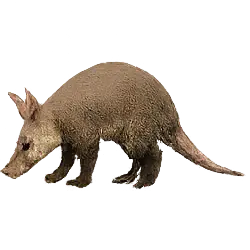
Aardvark
The aardvark is a nocturnal African mammal known for its long snout, strong digging…
Baca panduan spesies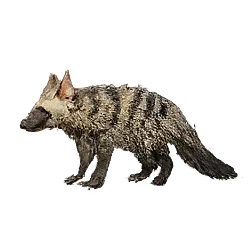
Aardwolf
The aardwolf is a small striped relative of hyenas that feeds mainly on termites rather…
Baca panduan spesies
Abyssinian Ground Hornbill
Abyssinian Ground Hornbill is a bird known for bare red facial skin, huge…
Baca panduan spesiesLebih banyak hewan dengan kekuatan Agility
Jelajahi semua hewan Agility
Bawa ensiklopedia ke dunia nyata
AnimalDex membantumu memindai hewan nyata, mengidentifikasi spesies, mengoleksi kartu, dan belajar dari alam di mana pun kamu berada.
Comparisons terkait
Lihat bagaimana spesies ini tampil di halaman perbandingan AnimalDex yang terstruktur.
Rainbow Bee-Eater vs Barn Swallow Speed: Which Aerial Insect Hunter Is Faster?
Barn swallow usually gets the cleaner speed verdict in sustained fast flight. Rainbow bee-eater stays more specialized for agile insect intercepts and short aerial adjustments around feeding space.
Baca halaman comparison