
Panduan lapangan hewan
Boxer Crab
Identifikasi, habitat, rarity, perilaku, simbolisme, fakta, dan pelajaran praktis dari alam.
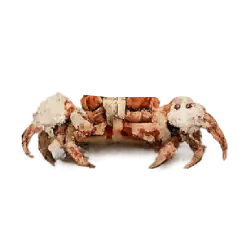
The Pom-Pom Reef Boxer. The Boxer Crab carries tiny stinging anemones in its claws like a pair of living pom-poms. It teaches us that even a small helper can become part of our strength.
Kartu AnimalDex
Buka kartu hewan ini
Pindai atau tangkap hewan ini dengan AnimalDex untuk membuka kartu koleksi dan menambahkannya ke koleksi satwa liarmu.
Dapatkan AnimalDexNama ilmiah
Lybia tessellata
Kategori
Marine invertebrate
Habitat
Shallow coral reef, reef rubble, and sheltered Indo-Pacific marine substrate.
Rarity
Uncommon · 64/100
Native range
Indo-Pacific reef systems.
Borrowed Defense
Carry the ally.
Anemone-Claw Partnership
Apa yang diajarkannya
Small allies become strength when held with care.
Coba
You feel small, so you borrow strength from the right ally.
Bukti alam
Boxer Crabs carry small sea anemones in their claws, using the stinging tentacles for defense and possibly food gathering.
Gunakan untuk
Tangkapan Boxer Crab berperingkat
Belum ada tangkapan komunitas berperingkat untuk spesies ini.
Mengapa Borrowed Defense?
Alasan di balik Prinsip Hewan ini dan biologi yang mendukungnya.
Boxer crabs are small reef crabs famous for carrying tiny sea anemones in their claws, turning borrowed stinging partners into defensive and feeding tools.
Cara mengidentifikasi Boxer Crab
- Small pale crab with patterned shell and relatively delicate walking legs
- Carries a tiny sea anemone in each claw like living pom-poms
- Often moves in a raised defensive stance when disturbed
Kenapa Boxer Crab menarik
- Boxer crabs are one of the clearest examples of an animal outsourcing part of its defense system to another species.
- They turn a tiny reef crustacean into a vivid lesson in symbiosis and tool-like behavior.
Habitat: Shallow coral reef, reef rubble, and sheltered Indo-Pacific marine substrate.
Native range: Indo-Pacific reef systems.
To find Boxer Crab in the wild, focus on the exact habitat patches that match its body design and daily behavior, not just the broad country where it exists. You usually do better by working one good piece of habitat inside indo-Pacific reef systems. than by covering too much ground.
- Headlands, reef edges, island colonies, tidal channels, or productive coastal water
- Protected habitat blocks within indo-Pacific reef systems.
- Start early, pick one strong patch of habitat, and stay long enough for movement to return after you arrive.
- Time your search around tide, wind, and visibility, then focus on feeding lines, reef edges, and known haul-out or nesting spots.
- Slow down and scan shapes, outlines, and eye-level silhouettes; many good sightings come from noticing what does not move.
Tiny food particles, detritus, plankton, scraps, and small organic matter support Borrowed Defense because the crab and anemones can both benefit from handling food. The diet fits the principle because survival is shared through careful holding.
Boxer Crabs are often nocturnal or crepuscular, hiding by day and foraging when safer. Their rhythm is hold, wave, pick, shelter, and keep the ally close.
Boxer Crabs may live for several years in suitable reef conditions. Borrowed Defense becomes a daily discipline of maintaining the relationship that makes a tiny body safer.
Females carry eggs under the abdomen until larvae hatch into the plankton. Offspring fit the principle because the adult’s careful partnerships help it survive long enough to release the next generation.
Males and females are similar in basic form, though females carry egg masses when gravid. The shared lesson is not display difference but the mutual tool held in the claws.
- Uses anemones for protection and to help secure tiny food particles
- Moves carefully through reef crevices rather than relying on raw shell bulk
- Can divide and maintain anemone partners over time
Boxer Crab most often symbolizes borrowed defense in AnimalDex because its real survival behavior repeatedly shows this pattern.
Small allies become strength when held with care.
Boxer Crabs carry small sea anemones in their claws, using the stinging tentacles for defense and possibly food gathering.
- Look slowly through reef rubble or aquarium reef structures rather than touching or lifting the animal repeatedly.
- Never separate a boxer crab from its anemones for a photo.
statsTitle
statsDescription
statsSourceLabel: statsSourceSpeciesProfile
dominanceStat
30
speedStat
57
sizeStat
8
intelligenceStat
28
rarityStat
64%
Total
187
Size scale
Tiny
Uses the canonical size stat for consistent placement

US$122 – US$254
Perkiraan rentang nilai
Kepercayaan 69%
Perkiraan nilai AnimalDex dibuat dari stat spesies kanonik.
Not a marketplace listing.
Perkiraan nilai berdasarkan hewan yang teridentifikasi dan konteks harga yang tersedia. Bukan daftar marketplace.
Seberapa langka Boxer Crab?
Rarity: Uncommon (64/100)
Boxer crabs are small and easy to miss, and healthy reef habitat is patchy and under pressure in many regions.
Systems Intelligence & Hidden Purpose
Sudut pandang systems biology untuk melihat bagaimana spesies ini dibangun, peran apa yang dijalankannya di ekosistem, dan pelajaran praktis apa yang bisa dipetik manusia.
System Role
The Symbiotic Defense Carrier
Boxer Crab
Specialized Hardware
Tiny crab frame, delicate claws, and live sea-anemone partners turn the boxer crab into mutualist hardware with outsourced stinging defense.
Systems Script
Boxer crabs move through reef rubble as tiny examples of cooperative engineering. Their niche proves that a small system can scale its defense by partnering with another species rather than building everything itself.
Strategic Insight
When internal resources are limited, carry the right ally. A strong partnership can function like extra hardware.
Public Animal Power
Explore this Animal Power
This is a public capture, so you can explore its Animal Power here. Personal Apex matches and challenges use your Wild Profile and animals you own.
Own an animal with this power to use it in Growth challenges.
Hewan terkait

Crab
Crab is a crustacean known for sideways-walking body plan, hard protective carapace,…
Baca panduan spesies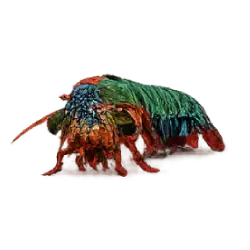
Mantis Shrimp
Mantis shrimp are reef-dwelling crustaceans with extraordinary visual systems and…
Baca panduan spesies
Octopus
Octopuses are soft-bodied marine hunters known for flexible problem-solving,…
Baca panduan spesiesLebih banyak hewan dengan kekuatan Defense
Jelajahi semua hewan Defense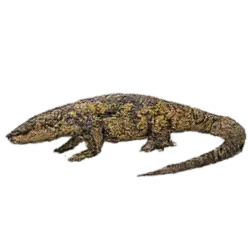
Ackie Monitor
Ackie Monitor is a reptile known for spiny defensive tail, compact muscular monitor…
Baca panduan spesies
African Pygmy Hedgehog
African Pygmy Hedgehog teaches Spined Night Foraging through a small nocturnal body…
Baca panduan spesies
American Badger
American Badger turns Burrow Strategy into muscular problem-solving, using claws,…
Baca panduan spesiesBawa ensiklopedia ke dunia nyata
AnimalDex membantumu memindai hewan nyata, mengidentifikasi spesies, mengoleksi kartu, dan belajar dari alam di mana pun kamu berada.
Comparisons terkait
Lihat bagaimana spesies ini tampil di halaman perbandingan AnimalDex yang terstruktur.
Mantis Shrimp vs Boxer Crab: Which Reef Fighter Has the Better Design?
Mantis shrimp usually has the edge because its strike power and sensory advantage are extreme. Boxer crab stays interesting because its anemone-based defense can still punish careless close contact.
Baca halaman comparisonMuncul di tier list
Lihat posisi spesies ini di halaman tier list AnimalDex yang dibangun dengan perbandingan terstruktur dan metodologi yang jelas.
#6 · Armor
Animals with the Strongest Armor: Top 100 Tier List
Boxer crab is small, but its armored body and defensive behavior make it more than a novelty answer.
Baca tier list#7 · Strike
Animals with the Strongest Kick or Strike: Top 100 Tier List
Boxer crab is small, but the way it uses its front end in close space still makes it a worthwhile strike entry.
Baca tier list