
Panduan lapangan hewan
Octopus
Identifikasi, habitat, rarity, perilaku, simbolisme, fakta, dan pelajaran praktis dari alam.
The fluid escape artist thinker animal. The Octopus is a smart sea animal with eight arms and a squishy body that can squeeze through tiny spaces. When a problem appears, it can change color, change shape, and think of a new escape. In human life, this reminds us that range and flexibility can open doors rigid strength cannot.

Kartu AnimalDex
Buka kartu hewan ini
Pindai atau tangkap hewan ini dengan AnimalDex untuk membuka kartu koleksi dan menambahkannya ke koleksi satwa liarmu.
Dapatkan AnimalDexNama ilmiah
Octopoda
Kategori
Marine invertebrate
Habitat
Rocky reefs, coral rubble, seagrass beds, tidal pools, and seafloor dens from shallow water to depth.
Rarity
Very rare · 88/100
Native range
Found in oceans worldwide, with highest diversity in tropical and temperate marine habitats.
Distributed Nervous Intelligence
Think with the whole body.
Think with the whole body.
Apa yang diajarkannya
Flexible awareness beats rigid control when conditions change fast.
Bukti alam
Octopuses use a highly distributed nervous system, flexible arms, camouflage, problem-solving, and escape behavior to respond quickly without relying on one rigid command center.
Gunakan untuk
Tangkapan Octopus berperingkat
Belum ada tangkapan komunitas berperingkat untuk spesies ini.
Mengapa Distributed Nervous Intelligence?
Alasan di balik Prinsip Hewan ini dan biologi yang mendukungnya.
Octopuses are soft-bodied marine hunters known for flexible problem-solving, camouflage, dexterous arms, and rapid escape through tight spaces.
Cara mengidentifikasi Octopus
- Rounded mantle with eight muscular arms bearing suckers
- Color and texture shifts that can alter appearance quickly
- Fluid body shape able to flatten or squeeze into crevices
Kenapa Octopus menarik
- Octopuses are among the clearest examples of non-vertebrate intelligence at work.
- Their body plan makes flexibility itself part of the survival strategy.
Habitat: Rocky reefs, coral rubble, seagrass beds, tidal pools, and seafloor dens from shallow water to depth.
Native range: Found in oceans worldwide, with highest diversity in tropical and temperate marine habitats.
To find Octopus in the wild, focus on the exact habitat patches that match its body design and daily behavior, not just the broad country where it exists. You usually do better by working one good piece of habitat inside found in oceans worldwide, with highest diversity in tropical and temperate marine habitats. than by covering too much ground.
- Headlands, reef edges, island colonies, tidal channels, or productive coastal water
- Protected habitat blocks within found in oceans worldwide, with highest diversity in tropical and temperate marine habitats.
- Start early, pick one strong patch of habitat, and stay long enough for movement to return after you arrive.
- Time your search around tide, wind, and visibility, then focus on feeding lines, reef edges, and known haul-out or nesting spots.
- Choose a viewing point with clean light and water visibility, then watch for repeated surfacing, feeding, or current lines.
Octopus eats the foods its body design and habitat make easiest to access. Diet can shift across seasons, life stages, and local competition.
- The most accessible prey or plant foods in its habitat
- Energy-rich foods that match its size and behavior
- Seasonal resources available in the local environment
A practical answer for Octopus always depends on what food is actually available in rocky reefs, coral rubble, seagrass beds, tidal pools, and seafloor dens from shallow water to depth..
- Explores dens, shells, and objects with highly sensitive arms
- Uses camouflage, ink, and sudden escape bursts under threat
- Hunts crabs, mollusks, and fish with deliberate positioning
Octopus most often symbolizes distributed nervous intelligence in AnimalDex because its real survival behavior repeatedly shows this pattern.
Flexible awareness beats rigid control when conditions change fast.
Octopuses use a highly distributed nervous system, flexible arms, camouflage, problem-solving, and escape behavior to respond quickly without relying on one rigid command center.
- Do not poke dens or force the animal into the open for photos.
- Keep fins, hands, and lights away from resting crevice entrances.
- Cuttlefish
- Squid juvenile
- Mimic octopus variants
statsTitle
statsDescription
statsSourceLabel: statsSourceSpeciesProfile
dominanceStat
44
speedStat
38
sizeStat
28
intelligenceStat
73
rarityStat
88%
Total
271
Size scale
Medium
Uses the canonical size stat for consistent placement
US$233 – US$485
Perkiraan rentang nilai
Kepercayaan 60%
Perkiraan nilai AnimalDex dibuat dari stat spesies kanonik.
Not a marketplace listing.
Perkiraan nilai berdasarkan hewan yang teridentifikasi dan konteks harga yang tersedia. Bukan daftar marketplace.
Seberapa langka Octopus?
Rarity: Very rare (88/100)
Octopuses are widespread globally, but many are secretive, short-lived, and easiest to detect in specific reef or den habitats.
Systems Intelligence & Hidden Purpose
Sudut pandang systems biology untuk melihat bagaimana spesies ini dibangun, peran apa yang dijalankannya di ekosistem, dan pelajaran praktis apa yang bisa dipetik manusia.
System Role
The Soft-Bodied Escape Engineer
Octopus
Specialized Hardware
A distributed nervous system, dexterous arms loaded with sensory receptors, chromatophore camouflage, and a body that can compress through tiny gaps make the octopus extraordinary adaptive hardware.
Systems Script
Octopuses regulate crustaceans, mollusks, and reef-floor prey while occupying crevices other predators cannot exploit. They show how flexible architecture can compete with armored design by turning shape itself into strategy.
Strategic Insight
Do not centralize every decision. Put sensing and action closer together and the whole system becomes faster under pressure.
Public Animal Power
Explore this Animal Power
This is a public capture, so you can explore its Animal Power here. Personal Apex matches and challenges use your Wild Profile and animals you own.
Own an animal with this power to use it in Growth challenges.
Hewan terkait
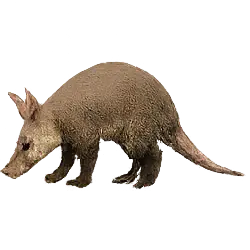
Aardvark
The aardvark is a nocturnal African mammal known for its long snout, strong digging…
Baca panduan spesies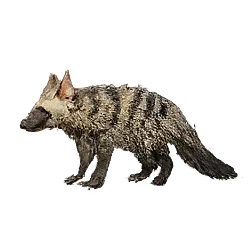
Aardwolf
The aardwolf is a small striped relative of hyenas that feeds mainly on termites rather…
Baca panduan spesies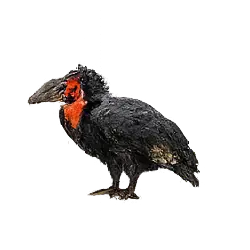
Abyssinian Ground Hornbill
Abyssinian Ground Hornbill is a bird known for bare red facial skin, huge…
Baca panduan spesiesLebih banyak hewan dengan kekuatan Creativity
Jelajahi semua hewan Creativity
Cockroach
Cockroach is a insect known for flattened fast-moving body, durable exoskeleton, and…
Baca panduan spesies
Common Brushtail Possum
Common Brushtail Possum is a mammal known for prehensile tail grip, nocturnal canopy…
Baca panduan spesies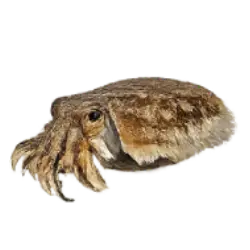
Cuttlefish
Cuttlefish are intelligent cephalopods known for rapid color change, hovering control,…
Baca panduan spesiesBawa ensiklopedia ke dunia nyata
AnimalDex membantumu memindai hewan nyata, mengidentifikasi spesies, mengoleksi kartu, dan belajar dari alam di mana pun kamu berada.
Panduan blog terkait
Lanjutkan belajar lewat artikel praktis yang terhubung dengan spesies ini.
Biomimicry in Animals: 35 Examples of Nature-Inspired Design
Discover 35 examples of biomimicry in animals, from shark skin and gecko feet to owl wings, elephant trunks, whale fins, spider silk, dolphins, ants, bees, and more.
Baca artikel blogOctopus Symbolism: Decentralized Intelligence, Camouflage, and Hidden Adaptation
Explore octopus symbolism through distributed intelligence, camouflage, regeneration, nervous system symbolism, ancient sea monster mythology, and the archetype of hidden adaptation.
Baca artikel blogHow Octopus Intelligence Works: Nature’s Most Advanced Problem Solver
Explore octopus intelligence through animal behavior, flexible nervous systems, camouflage, survival strategy, and the octopus ecosystem role.
Baca artikel blogComparisons terkait
Lihat bagaimana spesies ini tampil di halaman perbandingan AnimalDex yang terstruktur.
Cuttlefish vs Octopus Intelligence: Which Cephalopod Thinks Better?
Octopus gets the edge in direct manipulation and puzzle-style problem solving. Cuttlefish gets the edge in visual signaling, camouflage control, and rapid display-based adaptation. The smartest answer depends on the task format.
Baca halaman comparisonDolphin vs Octopus Intelligence: Which Animal Thinks Better?
Dolphin gets the edge in social intelligence, communication, and group learning. Octopus gets the edge in solitary problem solving, manipulation, and flexible immediate adaptation. The smartest answer still depends on the task.
Baca halaman comparisonOctopus vs Crab: Which Sea Fighter Has the Better Edge?
Octopus usually has the edge because intelligence, flexibility, and grip-based control are excellent answers to a crab's shell and claws. Crab still becomes dangerous in tight defensive terrain where armor and pinch range matter more.
Baca halaman comparisonMuncul di tier list
Lihat posisi spesies ini di halaman tier list AnimalDex yang dibangun dengan perbandingan terstruktur dan metodologi yang jelas.
#1 · Camouflage
Animals with the Best Camouflage: Top 100 Tier List
Octopus is the clearest top answer because it can change color, texture, and posture to solve camouflage in real time.
Baca tier list#1 · Agility
Most Agile Animals in the World: Top 100 Tier List
Octopus may be the cleanest overall agility answer because its entire body can redirect, compress, and solve space problems in real time.
Baca tier list#4 · Intelligence
Smartest Animals in the World: Top 250 Tier List
Octopus is one of the best solitary problem-solving animals in the world.
Baca tier list