
Panduan lapangan hewan
Canada Goose
Identifikasi, habitat, rarity, perilaku, simbolisme, fakta, dan pelajaran praktis dari alam.
The Sky Team Captain. The Canada Goose uses strong wings and a loud honk to guide the flock across long miles of sky. It teaches us that taking turns and staying together can carry a group much farther.
Nama ilmiah
Branta canadensis
Kategori
Bird
Habitat
Lakes, ponds, marshes, fields, parks, and river corridors.
Rarity
Relatively common · 23/100
Native range
North America, with introduced populations in parts of Europe and elsewhere.
Rotation
Take the front, then share it.
V-Formation Leadership
Apa yang diajarkannya
A group travels farther when the burden of the front is shared.
Coba
Your team is tired, so you rotate responsibility instead of burning one person out.
Bukti alam
Canada Geese fly in V-formations that reduce drag for birds behind the leader. Flock members communicate during flight and can rotate positions during long-distance travel.
Gunakan untuk
Tangkapan Canada Goose berperingkat
3 tangkapan berperingkat dalam grup ini dari kolektor AnimalDex.
Garrett8522
@dannimal2285Wild · The Sanctuary At Charlotte · University City, Charlotte, Mecklenburg County, NC, United States
Skor 0
Dan Lagnado
@danlagnadoWild · West Mountain Park & Mt Farms Open Space · Near Pope Park, Hartford, CT, United States
Skor 0
Mengapa Rotation?
Alasan di balik Prinsip Hewan ini dan biologi yang mendukungnya.
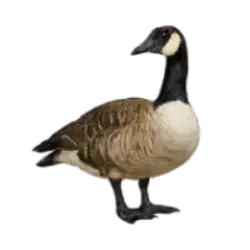
The Canada goose is a large migratory waterfowl recognized by its black neck, white chinstrap, and V-shaped flights.
Cara mengidentifikasi Canada Goose
- Black neck and head
- White chinstrap patch
- Brown body with pale breast
- Migrates in loud V formations
Kenapa Canada Goose menarik
- Canada Goose is a useful example of how anatomy and habitat fit together as one survival system.
- Its shape, movement style, and food strategy make it easy to compare with related animals.
- This species turns one page into a lesson about adaptation, ecosystem role, and identification.
Habitat: Lakes, ponds, marshes, fields, parks, and river corridors.
Native range: North America, with introduced populations in parts of Europe and elsewhere.
nativeRangeCardTitle
nativeRangeCardDescription
Lakes, ponds, marshes, fields, parks, and river corridors.
To find Canada Goose in the wild, focus on the exact habitat patches that match its body design and daily behavior, not just the broad country where it exists. You usually do better by working one good piece of habitat inside north America, with introduced populations in parts of Europe and elsewhere. than by covering too much ground.
- Quiet marsh edges, reedbeds, river bends, or shallow wetland margins
- Protected habitat blocks within north America, with introduced populations in parts of Europe and elsewhere.
- First light and late afternoon are often best, when animals come out to feed along the edge of water.
- Watch the transition line between open water and cover, because feeding and movement often happen on that edge.
- Slow down and scan shapes, outlines, and eye-level silhouettes; many good sightings come from noticing what does not move.
Grasses, sedges, grains, aquatic plants, and crop leftovers support the Rotation lesson because steady flock travel requires steady fuel from common open resources.
Canada Geese feed and move mostly by day, resting on water or open ground where danger is visible. Their rhythm balances grazing, calling, flight, and watchfulness.
Canada Geese can live for many years, with some wild birds reaching two decades or more. Long life makes route memory, pair bonds, and repeated seasonal rotation part of the species logic.
Females lay eggs in ground nests near water, and both parents guard the goslings after hatching. The offspring story matters because rotation is not just travel efficiency; it carries young birds into a learned route system.
Males and females look similar, though males are often larger. That similarity strengthens the principle because the visible lesson comes from position, flock behavior, and shared work rather than decorative sex difference.
- Canada Goose adjusts movement and feeding to match light, temperature, and food access in its habitat.
- Body design, timing, and shelter choices all help this species stay effective in the wild.
- Patient observation usually reveals more behavior than close approach or fast movement.
Canada Goose most often symbolizes rotation in AnimalDex because its real survival behavior repeatedly shows this pattern.
A group travels farther when the burden of the front is shared.
Canada Geese fly in V-formations that reduce drag for birds behind the leader. Flock members communicate during flight and can rotate positions during long-distance travel.
- Keep distance and let the animal choose the space.
- Avoid blocking movement routes, nesting areas, or feeding behavior.
- Use optics, patience, and quiet observation instead of crowding for a closer view.
- Regional relatives may look similar at a distance.
- Juveniles, adults, and seasonal forms can differ in color or size.
- Light, angle, and habitat context can change how field marks appear.
0/1 XP toward Level 2
statsTitle
statsDescription
statsSourceLabel: statsSourceSpeciesProfile
dominanceStat
63
speedStat
63
sizeStat
44
intelligenceStat
37
rarityStat
23%
Total
230
Size scale
Large
Uses the canonical size stat for consistent placement


US$850 – US$6.050
Perkiraan rentang nilai
Kepercayaan 69%
Perkiraan nilai AnimalDex dibuat dari stat spesies kanonik.
Not a marketplace listing.
Perkiraan nilai berdasarkan hewan yang teridentifikasi dan konteks harga yang tersedia. Bukan daftar marketplace.
Seberapa langka Canada Goose?
Rarity: Relatively common (23/100)
Canada geese are widespread and often abundant in both wild and human-shaped habitats.
Systems Intelligence & Hidden Purpose
Sudut pandang systems biology untuk melihat bagaimana spesies ini dibangun, peran apa yang dijalankannya di ekosistem, dan pelajaran praktis apa yang bisa dipetik manusia.
System Role
The Formation Flight Traveler
Canada Goose
Specialized Hardware
Black neck and head, white chinstrap patch, and brown body with pale breast give the Canada Goose a body plan tuned for its niche.
Systems Script
Canada Gooses operate in lakes, ponds, marshes, fields, parks, and river corridors. Their design helps them match food access, shelter, and timing inside that environment.
Strategic Insight
Shared structure reduces the cost of long journeys.
Public Animal Power
Explore this Animal Power
This is a public capture, so you can explore its Animal Power here. Personal Apex matches and challenges use your Wild Profile and animals you own.
Own an animal with this power to use it in Growth challenges.
Comparison hearts ready
3 of 3 hearts remaining. Each loss removes 1 heart.
✦ Available actions
Compare this public animal when your deck meets the current rules.
⚡CompareUnavailable›Hewan terkait
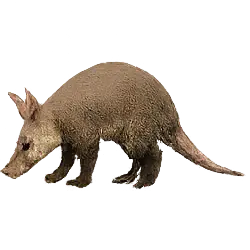
Aardvark
The aardvark is a nocturnal African mammal known for its long snout, strong digging…
Baca panduan spesies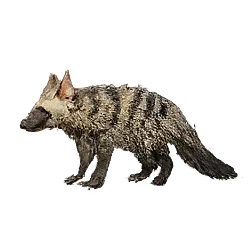
Aardwolf
The aardwolf is a small striped relative of hyenas that feeds mainly on termites rather…
Baca panduan spesies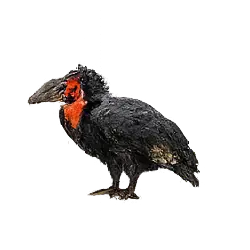
Abyssinian Ground Hornbill
Abyssinian Ground Hornbill is a bird known for bare red facial skin, huge…
Baca panduan spesiesLebih banyak hewan dengan kekuatan Endurance
Jelajahi semua hewan Endurance
Addax
Addax is a mammal known for pale desert coat, wide spreading hooves, and slow-energy…
Baca panduan spesies
Adelie Penguin
Adelie Penguin is a bird known for classic black-and-white body, ice-edge breeding…
Baca panduan spesies
African Wild Dog
The African wild dog is a highly social carnivore with distinctive patchy coat patterns…
Baca panduan spesiesBawa ensiklopedia ke dunia nyata
AnimalDex membantumu memindai hewan nyata, mengidentifikasi spesies, mengoleksi kartu, dan belajar dari alam di mana pun kamu berada.