
Panduan lapangan hewan
Coyote
Identifikasi, habitat, rarity, perilaku, simbolisme, fakta, dan pelajaran praktis dari alam.
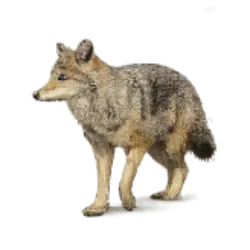
Kartu AnimalDex
Buka kartu hewan ini
Pindai atau tangkap hewan ini dengan AnimalDex untuk membuka kartu koleksi dan menambahkannya ke koleksi satwa liarmu.
Dapatkan AnimalDexPanduan lapangan hewan
Coyote
Elasticity
Bend through the edges.
Survival bends without breaking when it can feed in many worlds.
No captures yet
Native range
Natural range, not this capture location
grassland, scrub, woodland edge, farmland, and suburb fringe
Search near meAnimalDex stats
Dominance
52
Speed
61
Size
24
Intelligence
60
Rarity
31%
Total
228
Size scale
Nama ilmiah
Canis latrans
Kategori
Mammal
Habitat
grassland, scrub, woodland edge, farmland, and suburb fringe
Rarity
Relatively common · 31/100
Native range
North America
Mengapa Elasticity?
Alasan di balik Prinsip Hewan ini dan biologi yang mendukungnya.
Coyote is a mammal known for narrow canid muzzle, adaptable edge-habitat movement, and high-pitched social calls.
Cara mengidentifikasi Coyote
- narrow canid muzzle
- adaptable edge-habitat movement
- high-pitched social calls
- Often associated with grassland, scrub, woodland edge, farmland, and suburb fringe
Kenapa Coyote menarik
- Coyote is a useful example of how anatomy and habitat fit together as one survival system.
- Its shape, movement style, and food strategy make it easy to compare with related animals.
- This species turns one page into a lesson about adaptation, ecosystem role, and identification.
Habitat: grassland, scrub, woodland edge, farmland, and suburb fringe
Native range: North America
nativeRangeCardTitle
nativeRangeCardDescription
grassland, scrub, woodland edge, farmland, and suburb fringe
To find Coyote in the wild, focus on the exact habitat patches that match its body design and daily behavior, not just the broad country where it exists. You usually do better by working one good piece of habitat inside north America than by covering too much ground.
- Forest edge, canopy gaps, fruiting trees, or shaded trails where cover and food meet
- Open grassland edges, lightly wooded plains, or raised ground where you can scan long distances
- Protected habitat blocks within north America
- Start early, pick one strong patch of habitat, and stay long enough for movement to return after you arrive.
- Work edges, clearings, fruiting trees, and stream crossings rather than walking randomly through dense cover.
- Move quietly, stop often, and give the habitat time to settle; many mammals and insects show themselves only after the first pause.
Rodents, rabbits, fruit, insects, carrion, birds, reptiles, and human scraps support Elasticity because the coyote survives by widening the menu when conditions change.
Coyotes are often crepuscular or nocturnal near people, but flexible in quieter places. Their rhythm changes with risk, which is exactly the lesson.
Coyotes can live many years, though wild life is often shortened by conflict, vehicles, and disease. Elasticity matters because survival depends on repeated adjustment to risk, food, and human pressure.
Females den to give birth to pups, and both parents may help feed and protect them. Offspring make adaptability urgent because pups need stable care inside unstable edge landscapes.
Males are often slightly larger, but both sexes share the flexible canid body and broad diet. The Elasticity lesson is behavioral and ecological more than visual.
- Coyote adjusts movement and feeding to match light, temperature, and food access in its habitat.
- Body design, timing, and shelter choices all help this species stay effective in the wild.
- Patient observation usually reveals more behavior than close approach or fast movement.
Coyote most often symbolizes elasticity in AnimalDex because its real survival behavior repeatedly shows this pattern.
Survival bends without breaking when it can feed in many worlds.
Coyotes are highly flexible canids with broad diets and strong ability to live in wild, rural, suburban, and urban edge habitats. Their adaptability has allowed them to expand across many environments.
- Keep distance and let the animal choose the space.
- Avoid blocking movement routes, nesting areas, or feeding behavior.
- Use optics, patience, and quiet observation instead of crowding for a closer view.
- Regional relatives may look similar at a distance.
- Juveniles, adults, and seasonal forms can differ in color or size.
- Light, angle, and habitat context can change how field marks appear.
Hewan terkait
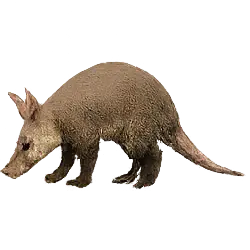
Aardvark
The aardvark is a nocturnal African mammal known for its long snout, strong digging…
Baca panduan spesies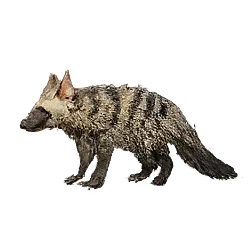
Aardwolf
The aardwolf is a small striped relative of hyenas that feeds mainly on termites rather…
Baca panduan spesies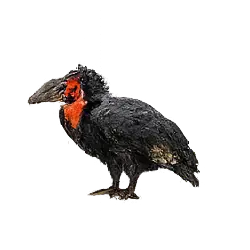
Abyssinian Ground Hornbill
Abyssinian Ground Hornbill is a bird known for bare red facial skin, huge…
Baca panduan spesiesLebih banyak hewan dengan kekuatan Adaptation
Jelajahi semua hewan Adaptation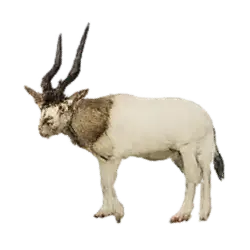
Addax
Addax is a mammal known for pale desert coat, wide spreading hooves, and slow-energy…
Baca panduan spesies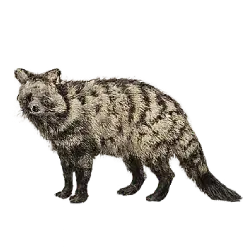
African Civet
African Civet is a mammal known for bold black-and-white pattern, night-active…
Baca panduan spesies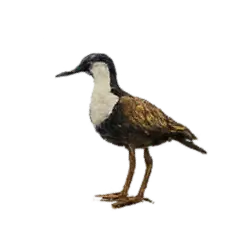
African Jacana
African Jacana is a bird known for extremely long spreading toes, chestnut and black…
Baca panduan spesiesBawa ensiklopedia ke dunia nyata
AnimalDex membantumu memindai hewan nyata, mengidentifikasi spesies, mengoleksi kartu, dan belajar dari alam di mana pun kamu berada.
Comparisons terkait
Lihat bagaimana spesies ini tampil di halaman perbandingan AnimalDex yang terstruktur.
Bobcat vs Coyote: Which One Has the Edge?
Coyote often gets the overall edge in open direct conditions because it is usually larger and more durable in a straightforward contest. Bobcat improves sharply in cover, surprise, and short explosive contact.
Baca halaman comparisonDeer vs Coyote: What Does the Real Matchup Look Like?
Healthy adult deer usually has the edge over a single coyote because size, speed, and kicking danger are real. Coyote improves against younger, weaker, or badly positioned deer and gets stronger with numbers.
Baca halaman comparisonFox vs Coyote: Which Canid Comes Out Ahead?
Coyote is the stronger overall answer because it is larger, tougher, and much better suited to a direct confrontation. Fox stays successful through stealth, speed, and edge-country opportunism rather than through dominance.
Baca halaman comparisonWolf vs Coyote: Which Canid Has the Edge?
Wolf is the stronger overall answer because it is larger, more forceful, and more dangerous in direct contact. Coyote survives through flexibility and human-edge adaptability, not by matching wolf scale.
Baca halaman comparison