
Panduan lapangan hewan
Capybara
Identifikasi, habitat, rarity, perilaku, simbolisme, fakta, dan pelajaran praktis dari alam.
The Riverside Peace Giant. The Capybara uses calm eyes, webbed feet, and nearby water to stay relaxed even when the world feels busy. It reminds us that peaceful confidence can help everyone around us settle down too.
Nama ilmiah
Hydrochoerus hydrochaeris
Kategori
Mammal
Habitat
Marshes, riversides, floodplains, lakeshores, and seasonally wet grassland.
Rarity
Relatively common · 34/100
Native range
Much of South America east of the Andes.
Social Calm
Stay calm together.
Riverside Group Ease
Apa yang diajarkannya
Peace becomes stronger when the whole group can rest inside it.
Coba
Your home feels tense, so you create one calm shared routine.
Bukti alam
Capybaras are highly social, semi-aquatic rodents that live in groups near water. They use swimming, grazing, and calm group behavior to manage safety and social life.
Gunakan untuk
Tangkapan Capybara berperingkat
2 tangkapan berperingkat dalam grup ini dari kolektor AnimalDex.
Mengapa Social Calm?
Alasan di balik Prinsip Hewan ini dan biologi yang mendukungnya.
Capybaras are giant semi-aquatic rodents known for group living, water-edge vigilance, and calm but highly effective risk management in wetland habitats.
Cara mengidentifikasi Capybara
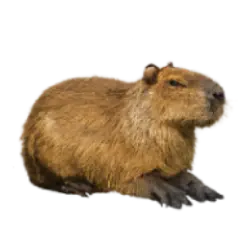
- Large barrel-shaped rodent with blunt muzzle and short ears
- Coarse brown coat and almost tail-less rear profile
- Often seen standing or resting close to water in groups
Kenapa Capybara menarik
- Capybaras show how social calm can still function as a serious anti-predator strategy.
- They are unusually good bridge animals for explaining rodent diversity to general audiences.
Habitat: Marshes, riversides, floodplains, lakeshores, and seasonally wet grassland.
Native range: Much of South America east of the Andes.
nativeRangeCardTitle
nativeRangeCardDescription
Marshes, riversides, floodplains, lakeshores, and seasonally wet grassland.
To find Capybara in the wild, focus on the exact habitat patches that match its body design and daily behavior, not just the broad country where it exists. You usually do better by working one good piece of habitat inside much of South America east of the Andes. than by covering too much ground.
- Quiet marsh edges, reedbeds, river bends, or shallow wetland margins
- Open grassland edges, lightly wooded plains, or raised ground where you can scan long distances
- Headlands, reef edges, island colonies, tidal channels, or productive coastal water
- First light and late afternoon are often best, when animals come out to feed along the edge of water.
- Use binoculars from a track, ridge, or vehicle stop and scan far ahead before you move closer.
- Move quietly, stop often, and give the habitat time to settle; many mammals and insects show themselves only after the first pause.
Grasses, aquatic plants, reeds, bark, and fruit support Social Calm because steady grazing lets the group remain together around predictable resources.
Jaguars, pumas, anacondas, caimans, harpy eagles, and humans pressure Capybaras. Group vigilance and water escape make calm possible without ignoring danger.
Capybaras are active by day or twilight depending on heat and disturbance, often resting together near water. Their rhythm follows group comfort and safety.
Capybaras can live for many years in safe wetland systems. Social Calm deepens through repeated group routines around grazing, water entry, alarm calls, and resting sites.
Females give birth to precocial young that can join the group and nurse, sometimes with communal tolerance. Offspring make calm social space essential because many small bodies need shared vigilance near water.
Males are often larger and may control groups or scent-mark more strongly. The Social Calm lesson is shared, but dominance and breeding roles shape group structure.
- Uses water as a fast escape zone from predators
- Maintains social groups with frequent alarm awareness
- Grazes heavily on grasses and aquatic vegetation
Capybara most often symbolizes social calm in AnimalDex because its real survival behavior repeatedly shows this pattern.
Peace becomes stronger when the whole group can rest inside it.
Capybaras are highly social, semi-aquatic rodents that live in groups near water. They use swimming, grazing, and calm group behavior to manage safety and social life.
- Stay back from shorelines where groups need clear water access.
- Watch herd reactions before moving because resting animals flush quickly.
- Nutria
- Beaver without flat tail
- Large domestic piglet at distance
0/1 XP toward Level 2
statsTitle
statsDescription
statsSourceLabel: statsSourceSpeciesProfile
dominanceStat
42
speedStat
39
sizeStat
34
intelligenceStat
42
rarityStat
34%
Total
191
Size scale
Medium
Uses the canonical size stat for consistent placement



US$129 – US$269
Perkiraan rentang nilai
Kepercayaan 69%
Perkiraan nilai AnimalDex dibuat dari stat spesies kanonik.
Not a marketplace listing.
Perkiraan nilai berdasarkan hewan yang teridentifikasi dan konteks harga yang tersedia. Bukan daftar marketplace.
Seberapa langka Capybara?
Rarity: Relatively common (34/100)
Capybaras are locally common in suitable wetlands, though hunting and habitat conversion reduce numbers in some regions.
Systems Intelligence & Hidden Purpose
Sudut pandang systems biology untuk melihat bagaimana spesies ini dibangun, peran apa yang dijalankannya di ekosistem, dan pelajaran praktis apa yang bisa dipetik manusia.
System Role
The Wetland Calm Regulator
Capybara
Specialized Hardware
Semi-aquatic body design, social vigilance, and grazing efficiency make capybaras reliable herbivore hardware for river and marsh systems.
Systems Script
Capybaras convert shoreline vegetation into mobile biomass while feeding predators and keeping wetland edges busy but readable. They help turn water access into a shared, constantly negotiated zone.
Strategic Insight
Calm is not softness when escape routes are already built in. Confidence works better when the fallback is real.
Public Animal Power
Explore this Animal Power
This is a public capture, so you can explore its Animal Power here. Personal Apex matches and challenges use your Wild Profile and animals you own.
Own an animal with this power to use it in Growth challenges.
Comparison hearts ready
3 of 3 hearts remaining. Each loss removes 1 heart.
✦ Available actions
Compare this public animal when your deck meets the current rules.
⚡CompareUnavailable›Hewan terkait
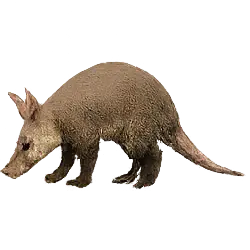
Aardvark
The aardvark is a nocturnal African mammal known for its long snout, strong digging…
Baca panduan spesies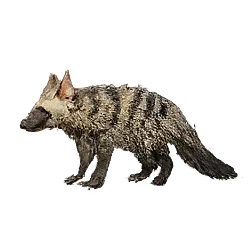
Aardwolf
The aardwolf is a small striped relative of hyenas that feeds mainly on termites rather…
Baca panduan spesies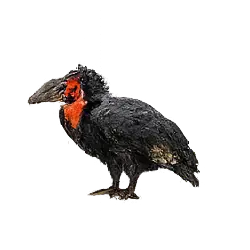
Abyssinian Ground Hornbill
Abyssinian Ground Hornbill is a bird known for bare red facial skin, huge…
Baca panduan spesiesLebih banyak hewan dengan kekuatan Belonging
Jelajahi semua hewan Belonging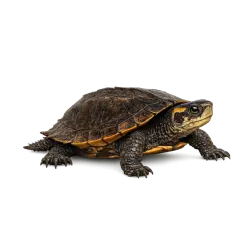
Black-breasted Leaf Turtle
Black-breasted Leaf Turtle is a reptile known for sharply keeled shell, leaf-litter…
Baca panduan spesies
Budgerigar
Budgerigar teaches Social Mimicry because its real biology turns small flock parrot…
Baca panduan spesies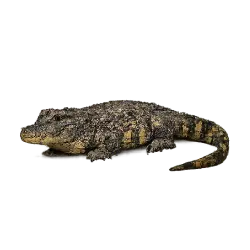
Chinese Alligator
Chinese Alligator is a reptile known for short broad snout, armored dark body, and…
Baca panduan spesiesBawa ensiklopedia ke dunia nyata
AnimalDex membantumu memindai hewan nyata, mengidentifikasi spesies, mengoleksi kartu, dan belajar dari alam di mana pun kamu berada.