
Panduan lapangan hewan
Jaguar
Identifikasi, habitat, rarity, perilaku, simbolisme, fakta, dan pelajaran praktis dari alam.
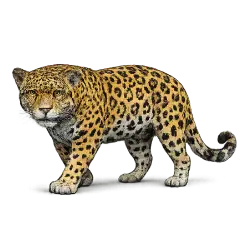
The Jungle Jaw King. The Jaguar uses spotted camouflage, crushing jaws, and a heavy body to move through forest and water with confidence. It shows us that strength can be quiet and exact.
Kartu AnimalDex
Buka kartu hewan ini
Pindai atau tangkap hewan ini dengan AnimalDex untuk membuka kartu koleksi dan menambahkannya ke koleksi satwa liarmu.
Dapatkan AnimalDexNama ilmiah
Panthera onca
Kategori
Mammal
Habitat
rainforest, wetland, and dense river corridor habitat
Rarity
Uncommon · 68/100
Native range
Central and South America
Stealth
Move unseen.
Approach unseen, then act with explosive precision when the moment opens.
Apa yang diajarkannya
Move quietly until the moment is right.
Coba
Your business partner betrayed you, so you gather proof before confronting them.
Bukti alam
Jaguars are solitary ambush hunters that rely on silent approach and explosive precision.
Gunakan untuk
Tangkapan Jaguar berperingkat
Belum ada tangkapan komunitas berperingkat untuk spesies ini.
Mengapa Stealth?
Alasan di balik Prinsip Hewan ini dan biologi yang mendukungnya.
Jaguar is a mammal known for heavy rosette-marked body, crushing bite strength, and river-and-forest ambush movement.
Cara mengidentifikasi Jaguar
- heavy rosette-marked body
- crushing bite strength
- river-and-forest ambush movement
- Often associated with rainforest, wetland, and dense river corridor habitat
Kenapa Jaguar menarik
- Jaguar is a useful example of how anatomy and habitat fit together as one survival system.
- Its shape, movement style, and food strategy make it easy to compare with related animals.
- This species turns one page into a lesson about adaptation, ecosystem role, and identification.
Habitat: rainforest, wetland, and dense river corridor habitat
Native range: Central and South America
nativeRangeCardTitle
nativeRangeCardDescription
rainforest, wetland, and dense river corridor habitat
To find Jaguar in the wild, focus on the exact habitat patches that match its body design and daily behavior, not just the broad country where it exists. You usually do better by working one good piece of habitat inside central and South America than by covering too much ground.
- Quiet marsh edges, reedbeds, river bends, or shallow wetland margins
- Forest edge, canopy gaps, fruiting trees, or shaded trails where cover and food meet
- Protected habitat blocks within central and South America
- First light and late afternoon are often best, when animals come out to feed along the edge of water.
- Work edges, clearings, fruiting trees, and stream crossings rather than walking randomly through dense cover.
- Slow down and scan shapes, outlines, and eye-level silhouettes; many good sightings come from noticing what does not move.
Predators and threats include adult jaguars have few predators except humans; cubs are vulnerable. Those pressures matter because Stealth is not just a look; it is tested whenever the animal must avoid danger, protect young, or keep moving.
Jaguar is mostly crepuscular and nocturnal, resting in cover by day. This rhythm matters because the animal’s lesson works on a schedule, repeating the same survival pattern until it becomes natural.
Jaguar often lives around a decade or more in the wild. Its lifespan gives the principle time to matter: small habits, strong design, and careful timing compound across seasons.
females raise one to four cubs in hidden dens. This offspring pattern connects to the lesson because the next generation begins inside the same habitat pressures that shaped the adults.
males are larger and range more widely. The difference matters only where it changes display, size, care, or competition; the core principle still belongs to the species as a whole.
- Jaguar adjusts movement and feeding to match light, temperature, and food access in its habitat.
- Body design, timing, and shelter choices all help this species stay effective in the wild.
- Patient observation usually reveals more behavior than close approach or fast movement.
Jaguar most often symbolizes stealth in AnimalDex because its real survival behavior repeatedly shows this pattern.
Move quietly until the moment is right.
Jaguars are solitary ambush hunters that rely on silent approach and explosive precision.
- Keep distance and let the animal choose the space.
- Avoid blocking movement routes, nesting areas, or feeding behavior.
- Use optics, patience, and quiet observation instead of crowding for a closer view.
- Regional relatives may look similar at a distance.
- Juveniles, adults, and seasonal forms can differ in color or size.
- Light, angle, and habitat context can change how field marks appear.
statsTitle
statsDescription
statsSourceLabel: statsSourceSpeciesProfile
dominanceStat
92
speedStat
72
sizeStat
58
intelligenceStat
62
rarityStat
68%
Total
352
Size scale
Large
Uses the canonical size stat for consistent placement

US$296 – US$614
Perkiraan rentang nilai
Kepercayaan 69%
Perkiraan nilai AnimalDex dibuat dari stat spesies kanonik.
Not a marketplace listing.
Perkiraan nilai berdasarkan hewan yang teridentifikasi dan konteks harga yang tersedia. Bukan daftar marketplace.
Seberapa langka Jaguar?
Rarity: Uncommon (68/100)
Jaguar is never easy to find and becomes less secure when rainforest, wetland, and dense river corridor habitat is reduced or broken apart.
Systems Intelligence & Hidden Purpose
Sudut pandang systems biology untuk melihat bagaimana spesies ini dibangun, peran apa yang dijalankannya di ekosistem, dan pelajaran praktis apa yang bisa dipetik manusia.
System Role
The Heavy Rosette River Cat
Jaguar
Specialized Hardware
heavy rosette-marked body, crushing bite strength, and river-and-forest ambush movement give the Jaguar a body plan tuned for its niche.
Systems Script
Jaguars operate through rainforest, wetland, and dense river corridor habitat. Their design links movement, feeding, shelter, and timing into one workable survival system.
Strategic Insight
Dense environments reward precision, patience, and the ability to read layered cover.
Public Animal Power
Explore this Animal Power
This is a public capture, so you can explore its Animal Power here. Personal Apex matches and challenges use your Wild Profile and animals you own.
Own an animal with this power to use it in Growth challenges.
Hewan terkait
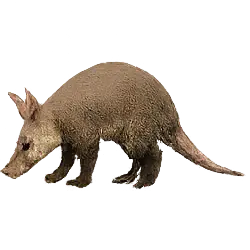
Aardvark
The aardvark is a nocturnal African mammal known for its long snout, strong digging…
Baca panduan spesies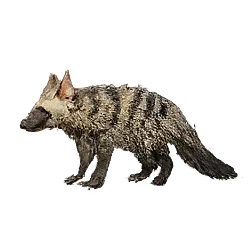
Aardwolf
The aardwolf is a small striped relative of hyenas that feeds mainly on termites rather…
Baca panduan spesies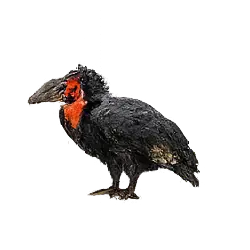
Abyssinian Ground Hornbill
Abyssinian Ground Hornbill is a bird known for bare red facial skin, huge…
Baca panduan spesiesLebih banyak hewan dengan kekuatan Patience
Jelajahi semua hewan Patience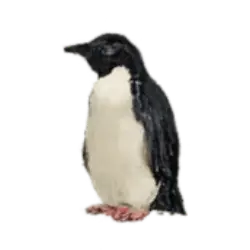
Adelie Penguin
Adelie Penguin is a bird known for classic black-and-white body, ice-edge breeding…
Baca panduan spesies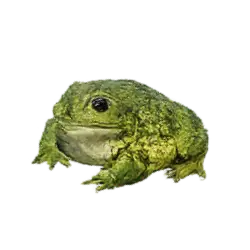
African Bullfrog
African Bullfrog is a amphibian known for huge frog body, powerful bite, and burrowing…
Baca panduan spesies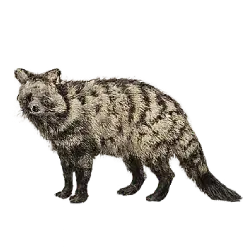
African Civet
African Civet is a mammal known for bold black-and-white pattern, night-active…
Baca panduan spesiesBawa ensiklopedia ke dunia nyata
AnimalDex membantumu memindai hewan nyata, mengidentifikasi spesies, mengoleksi kartu, dan belajar dari alam di mana pun kamu berada.
Comparisons terkait
Lihat bagaimana spesies ini tampil di halaman perbandingan AnimalDex yang terstruktur.
Gorilla vs Jaguar: Which Powerful Animal Has the Edge?
Gorilla gets the slight overall edge in a face-up clash through size and blunt-force power. Jaguar remains fully dangerous because it may be the better ambush starter and carries one of the nastiest bite profiles in the dataset.
Baca halaman comparisonGreen Anaconda vs Jaguar: Which Amazon Predator Has the Edge?
Jaguar gets the overall edge because it is more complete on land and carries a crushing close-range finish. Green anaconda becomes much more dangerous in water-heavy surprise contact where constriction and body control can start first.
Baca halaman comparisonHoney Badger vs Jaguar: Which Dangerous Animal Has the Edge?
Jaguar gets the clear overall edge through larger size, stronger bite, and a cleaner finishing route. Honey badger keeps the page interesting because it is notoriously hard to intimidate and capable of creating a miserable close-range fight.
Baca halaman comparisonJaguar vs Black Mamba: Which Dangerous Animal Has the Edge?
Jaguar gets the slight overall edge because one clean cat strike can end the fight fast. Black mamba stays fully dangerous because the first venom event could still decide everything before the cat gets stable contact.
Baca halaman comparisonMuncul di tier list
Lihat posisi spesies ini di halaman tier list AnimalDex yang dibangun dengan perbandingan terstruktur dan metodologi yang jelas.
#5 · Stealth
Stealthiest Hunters in the Animal World: Top 100 Tier List
Jaguar is especially dangerous where broken cover lets it get close before committing force.
Baca tier list#6 · Hunting
Best Hunters in the Animal World: Top 100 Tier List
Jaguar belongs because it turns heavy cat power into unusually efficient finishing at short range.
Baca tier list#9 · Bite Force
Animals With the Strongest Bite Force: Top 100 Tier List
Jaguar ranks because its bite is unusually formidable for its body size and hunting style.
Baca tier list