
Panduan lapangan hewan
Chambered Nautilus
Identifikasi, habitat, rarity, perilaku, simbolisme, fakta, dan pelajaran praktis dari alam.
The Spiral-Submarine Drifter. The Chambered Nautilus uses tiny inner chambers inside its shell to rise and sink through the sea like a living submarine. It shows us that small adjustments can guide a whole journey.

Kartu AnimalDex
Buka kartu hewan ini
Pindai atau tangkap hewan ini dengan AnimalDex untuk membuka kartu koleksi dan menambahkannya ke koleksi satwa liarmu.
Dapatkan AnimalDexNama ilmiah
Nautilus pompilius
Kategori
Marine invertebrate
Habitat
Deep reef slopes and upper continental shelf drop-offs with access to shelter and cooler water.
Rarity
Rare · 81/100
Native range
Indo-Pacific region from Southeast Asia to the western Pacific.
Buoyancy
Adjust the chamber.
Chambered Shell Adjustment
Apa yang diajarkannya
Small inner adjustments can decide whether you rise or sink.
Coba
Your mood is sinking, so you change one small input before spiraling.
Bukti alam
Chambered Nautiluses regulate buoyancy through gas and fluid balance in shell chambers, allowing vertical movement through the water column.
Gunakan untuk
Tangkapan Chambered Nautilus berperingkat
Belum ada tangkapan komunitas berperingkat untuk spesies ini.
Mengapa Buoyancy?
Alasan di balik Prinsip Hewan ini dan biologi yang mendukungnya.
The chambered nautilus is a deep-reef cephalopod with a coiled shell, buoyancy chambers, and a slow scavenging-predatory lifestyle in Indo-Pacific waters.
Cara mengidentifikasi Chambered Nautilus
- Cream and brown striped spiral shell with many chambers
- Soft body extends from shell opening with numerous tentacles
- Usually associated with deeper slope habitats rather than shallow reef tops
Kenapa Chambered Nautilus menarik
- The shell turns internal buoyancy control into a visible engineering feature.
- Nautiluses also preserve a very different cephalopod strategy from octopus and squid.
Habitat: Deep reef slopes and upper continental shelf drop-offs with access to shelter and cooler water.
Native range: Indo-Pacific region from Southeast Asia to the western Pacific.
nativeRangeCardTitle
nativeRangeCardDescription
Deep reef slopes and upper continental shelf drop-offs with access to shelter and cooler water.
To find Chambered Nautilus in the wild, focus on the exact habitat patches that match its body design and daily behavior, not just the broad country where it exists. You usually do better by working one good piece of habitat inside indo-Pacific region from Southeast Asia to the western Pacific. than by covering too much ground.
- Headlands, reef edges, island colonies, tidal channels, or productive coastal water
- Protected habitat blocks within indo-Pacific region from Southeast Asia to the western Pacific.
- Start early, pick one strong patch of habitat, and stay long enough for movement to return after you arrive.
- Time your search around tide, wind, and visibility, then focus on feeding lines, reef edges, and known haul-out or nesting spots.
- Choose a viewing point with clean light and water visibility, then watch for repeated surfacing, feeding, or current lines.
They scavenge and eat crustaceans, fish, molts, and carrion. The diet supports the principle because a drifting, sensing animal uses inner balance to reach food opportunities across depth.
Often more active at night, moving shallower to feed and deeper during the day. The rhythm makes buoyancy a daily practice: rise when opportunity appears, sink when safety requires it.
Can live for many years, possibly over 15 to 20 years, longer than many cephalopods. The lifespan why is that slow adjustment can be more durable than frantic brilliance.
Females lay relatively large eggs attached to hard surfaces, and development is slow. Offspring begin with the same lesson: life starts by building a chambered system that can hold depth.
Sexes can differ in tentacle structures used for reproduction, but the shell principle belongs to both. Buoyancy is not display; it is self-regulation made anatomical.
- Uses gas-filled shell chambers to manage buoyancy
- Forages on carrion and small prey in dim deeper water
- Moves vertically between depth zones over daily cycles
Chambered Nautilus most often symbolizes buoyancy in AnimalDex because its real survival behavior repeatedly shows this pattern.
Small inner adjustments can decide whether you rise or sink.
Chambered Nautiluses regulate buoyancy through gas and fluid balance in shell chambers, allowing vertical movement through the water column.
- Support protection over shell trade and souvenir demand.
- Use licensed deep-water operators that do not handle or trap animals casually.
- Argonaut shell in photos
- Ammonite fossils in illustration
- Floating debris from boat decks
statsTitle
statsDescription
statsSourceLabel: statsSourceSpeciesProfile
dominanceStat
63
speedStat
29
sizeStat
34
intelligenceStat
34
rarityStat
81%
Total
241
Size scale
Medium
Uses the canonical size stat for consistent placement

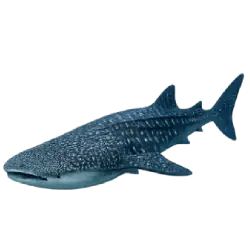
US$218 – US$452
Perkiraan rentang nilai
Kepercayaan 69%
Perkiraan nilai AnimalDex dibuat dari stat spesies kanonik.
Not a marketplace listing.
Perkiraan nilai berdasarkan hewan yang teridentifikasi dan konteks harga yang tersedia. Bukan daftar marketplace.
Seberapa langka Chambered Nautilus?
Rarity: Rare (81/100)
Nautilus populations are vulnerable to overcollection and slow recovery because they mature late and remain localized around deep reef systems.
Systems Intelligence & Hidden Purpose
Sudut pandang systems biology untuk melihat bagaimana spesies ini dibangun, peran apa yang dijalankannya di ekosistem, dan pelajaran praktis apa yang bisa dipetik manusia.
System Role
The Buoyancy Archivist
Chambered Nautilus
Specialized Hardware
Gas-filled shell chambers, simple but effective sensory setup, and vertical migration behavior make nautiluses depth-management hardware.
Systems Script
Nautiluses occupy a slow, deliberate niche in deep reef-adjacent waters, turning buoyancy control into long-term stability. They are proof that elegant engineering does not always need novelty to remain viable.
Strategic Insight
A durable system often comes from careful calibration, not constant reinvention.
Public Animal Power
Explore this Animal Power
This is a public capture, so you can explore its Animal Power here. Personal Apex matches and challenges use your Wild Profile and animals you own.
Own an animal with this power to use it in Growth challenges.
Hewan terkait
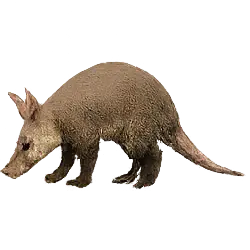
Aardvark
The aardvark is a nocturnal African mammal known for its long snout, strong digging…
Baca panduan spesies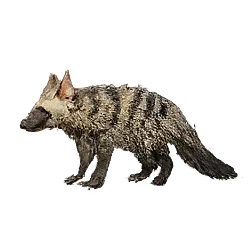
Aardwolf
The aardwolf is a small striped relative of hyenas that feeds mainly on termites rather…
Baca panduan spesies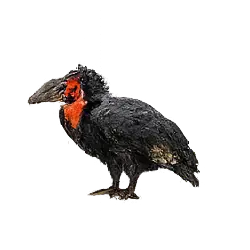
Abyssinian Ground Hornbill
Abyssinian Ground Hornbill is a bird known for bare red facial skin, huge…
Baca panduan spesiesLebih banyak hewan dengan kekuatan Balance
Jelajahi semua hewan Balance
Bawa ensiklopedia ke dunia nyata
AnimalDex membantumu memindai hewan nyata, mengidentifikasi spesies, mengoleksi kartu, dan belajar dari alam di mana pun kamu berada.
Muncul di tier list
Lihat posisi spesies ini di halaman tier list AnimalDex yang dibangun dengan perbandingan terstruktur dan metodologi yang jelas.
#4 · Armor
Animals with the Strongest Armor: Top 100 Tier List
Chambered nautilus earns a place because its shell still represents one of nature's clearest armored body plans.
Baca tier list