
Panduan lapangan hewan
Cheetah
Identifikasi, habitat, rarity, perilaku, simbolisme, fakta, dan pelajaran praktis dari alam.
The Keen Survivor. Living sprint specialist. A cat whose whole body is prepared for explosive speed before the chase starts.
Kartu AnimalDex
Buka kartu hewan ini
Pindai atau tangkap hewan ini dengan AnimalDex untuk membuka kartu koleksi dan menambahkannya ke koleksi satwa liarmu.
Dapatkan AnimalDexNama ilmiah
Acinonyx jubatus
Kategori
Mammal
Habitat
Open savannah, semi-desert, grassland, and lightly wooded hunting country.
Rarity
Rare · 72/100
Native range
Mainly sub-Saharan Africa with a very small remnant population in Iran.
Acceleration
Become the sprint.
Flexible-Spine Sprint
Apa yang diajarkannya
Pure speed is built before the chase ever begins.
Coba
Your campaign needs speed, so you prepare before the moment arrives.
Bukti alam
Cheetahs are specialized for high-speed pursuit with flexible spines, long limbs, enlarged nasal passages, semi-retractable claws, and long tails for balance during turns.
Gunakan untuk
Tangkapan Cheetah berperingkat
Belum ada tangkapan komunitas berperingkat untuk spesies ini.
Mengapa Acceleration?
Alasan di balik Prinsip Hewan ini dan biologi yang mendukungnya.
Cheetahs are lightly built sprinting cats designed for speed, visual tracking, and quick open-ground hunts rather than brute-force wrestling.
Cara mengidentifikasi Cheetah
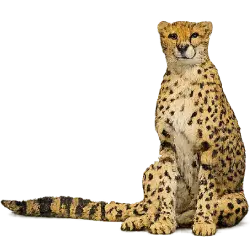
- Slim long-legged cat with small head and deep chest
- Solid black spots rather than rosettes across tawny coat
- Dark tear marks running from eyes to mouth
Kenapa Cheetah menarik
- Cheetahs are extreme examples of trade-offs built around acceleration and turning control.
- They make it easy to compare speed specialization against more force-heavy big cats.
Habitat: Open savannah, semi-desert, grassland, and lightly wooded hunting country.
Native range: Mainly sub-Saharan Africa with a very small remnant population in Iran.
nativeRangeCardTitle
nativeRangeCardDescription
Open savannah, semi-desert, grassland, and lightly wooded hunting country.
To find Cheetah in the wild, focus on the exact habitat patches that match its body design and daily behavior, not just the broad country where it exists. You usually do better by working one good piece of habitat inside mainly sub-Saharan Africa with a very small remnant population in Iran. than by covering too much ground.
- Open grassland edges, lightly wooded plains, or raised ground where you can scan long distances
- Water sources, dune bases, rocky wadis, or shaded scrub at first and last light
- Protected habitat blocks within mainly sub-Saharan Africa with a very small remnant population in Iran.
- Start early, pick one strong patch of habitat, and stay long enough for movement to return after you arrive.
- Use binoculars from a track, ridge, or vehicle stop and scan far ahead before you move closer.
- Slow down and scan shapes, outlines, and eye-level silhouettes; many good sightings come from noticing what does not move.
Cheetahs are mainly diurnal or crepuscular, hunting when visibility favors precision and larger predators may be less active. Their rhythm is rest deeply, sprint completely.
Cheetahs often live around 10 to 12 years in the wild when they survive cubhood. The lifespan lesson is that acceleration is not constant motion; it is repeated cycles of readiness and recovery.
Females raise litters alone, moving cubs between hidden dens and later teaching them to hunt. Offspring fit the principle because young cheetahs must learn both explosive speed and the patience before it.
Males are slightly larger and may form coalitions, while females are usually solitary with cubs. The sex difference adds social strategy, but both sexes share the sprint-built body.
- Uses vision and stalking to set up short explosive chases
- Targets smaller to medium antelope where speed can finish the job quickly
- Must recover after intense pursuits because sprinting is metabolically expensive
Cheetah most often symbolizes acceleration in AnimalDex because its real survival behavior repeatedly shows this pattern.
Pure speed is built before the chase ever begins.
Cheetahs are specialized for high-speed pursuit with flexible spines, long limbs, enlarged nasal passages, semi-retractable claws, and long tails for balance during turns.
- Do not pressure hunting cats to move before they choose to run.
- Watch from a stable distance after a chase because recovery time matters.
- Leopard cub
- Serval at poor angle
- Thin adolescent leopard
statsTitle
statsDescription
statsSourceLabel: statsSourceSpeciesProfile
dominanceStat
68
speedStat
100
sizeStat
48
intelligenceStat
52
rarityStat
72%
Total
340
Size scale
Large
Uses the canonical size stat for consistent placement


US$274 – US$568
Perkiraan rentang nilai
Kepercayaan 69%
Perkiraan nilai AnimalDex dibuat dari stat spesies kanonik.
Not a marketplace listing.
Perkiraan nilai berdasarkan hewan yang teridentifikasi dan konteks harga yang tersedia. Bukan daftar marketplace.
Seberapa langka Cheetah?
Rarity: Rare (72/100)
Cheetahs need large connected open habitats and suffer when fencing, persecution, and competition from larger predators intensify.
Systems Intelligence & Hidden Purpose
Sudut pandang systems biology untuk melihat bagaimana spesies ini dibangun, peran apa yang dijalankannya di ekosistem, dan pelajaran praktis apa yang bisa dipetik manusia.
System Role
The Burst-Speed Precision Trader
Cheetah
Specialized Hardware
Lightweight frame, oversized lungs, long tail steering, and traction-focused claws make cheetahs acceleration hardware built for short high-value outcomes.
Systems Script
Cheetahs pressure mid-sized grazers in open country but pay dearly for failed commitments. Their niche rewards clean setup and punishes wasted effort.
Strategic Insight
Speed is expensive. Use it where the odds are already tilted, not where you are merely impatient.
Public Animal Power
Explore this Animal Power
This is a public capture, so you can explore its Animal Power here. Personal Apex matches and challenges use your Wild Profile and animals you own.
Own an animal with this power to use it in Growth challenges.
Hewan terkait
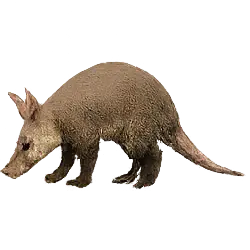
Aardvark
The aardvark is a nocturnal African mammal known for its long snout, strong digging…
Baca panduan spesies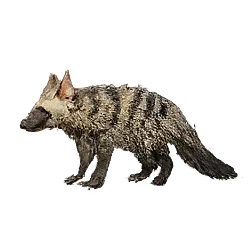
Aardwolf
The aardwolf is a small striped relative of hyenas that feeds mainly on termites rather…
Baca panduan spesies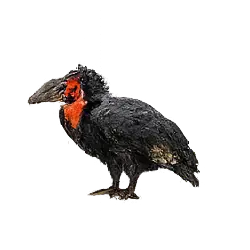
Abyssinian Ground Hornbill
Abyssinian Ground Hornbill is a bird known for bare red facial skin, huge…
Baca panduan spesiesLebih banyak hewan dengan kekuatan Acceleration
Jelajahi semua hewan Acceleration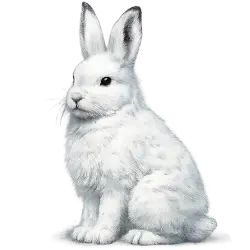
Arctic Hare
Arctic Hare's power is Snow-White Sprint: white seasonal camouflage, strong hind legs,…
Baca panduan spesies
Leafhopper
Leafhopper's power is Tiny Launch: small plant-feeding body, sudden jumps, cover, and…
Baca panduan spesies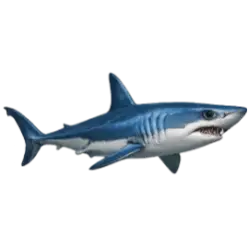
Shortfin Mako
Shortfin Mako is a fish known for torpedo-fast open-water body, crescent tail for…
Baca panduan spesiesBawa ensiklopedia ke dunia nyata
AnimalDex membantumu memindai hewan nyata, mengidentifikasi spesies, mengoleksi kartu, dan belajar dari alam di mana pun kamu berada.
Comparisons terkait
Lihat bagaimana spesies ini tampil di halaman perbandingan AnimalDex yang terstruktur.
Leopard vs Cheetah: Which Big Cat Has the Real Edge?
Leopard usually has the edge in a direct fight. Cheetah is faster in open ground, but leopard is stronger, more durable, and better built for close-range violence.
Baca halaman comparisonOstrich vs Cheetah Speed: Which Is Actually Faster?
Cheetah owns the cleaner top-speed headline, but ostrich is a real long-stride runner and can stay competitive when the question shifts from explosive pursuit to sustained open-ground movement.
Baca halaman comparisonTiger vs Cheetah Speed: Which Big Cat Is Actually Faster?
Cheetah is the faster cat when the question is raw land speed. Tiger is more powerful and more dangerous in a fight, but speed is the cheetah's clear domain.
Baca halaman comparisonMuncul di tier list
Lihat posisi spesies ini di halaman tier list AnimalDex yang dibangun dengan perbandingan terstruktur dan metodologi yang jelas.
#2 · Speed
Fastest Animals in the World: Top 250 Tier List
Cheetah is still the clearest land-speed specialist thanks to explosive acceleration and top-end running on open ground.
Baca tier list#5 · Agility
Most Agile Animals in the World: Top 100 Tier List
Cheetahs are not just fast. Their spine, tail, and limb control help them stay lethal while prey cuts away.
Baca tier list