
Panduan lapangan hewan
Wolf
Identifikasi, habitat, rarity, perilaku, simbolisme, fakta, dan pelajaran praktis dari alam.
The wild pack frequency leader animal. The Wolf is a wild dog that hunts, travels, and cares for its family as a pack. It shows that sharing a path and helping each other makes a group stronger. For us, the message is simple: strong communities make hard tasks lighter and safer.

Kartu AnimalDex
Buka kartu hewan ini
Pindai atau tangkap hewan ini dengan AnimalDex untuk membuka kartu koleksi dan menambahkannya ke koleksi satwa liarmu.
Dapatkan AnimalDexNama ilmiah
Canis lupus
Kategori
Mammal
Habitat
Forest, tundra, steppe, mountain, and mixed wild landscapes with space for long-distance travel.
Rarity
Relatively common · 10/100
Native range
Parts of North America, Europe, the Middle East, and Asia in surviving wild populations.
Teamwork
Coordinate roles. Compound outcomes.
Apa yang diajarkannya
Endurance and coordination beat isolated bursts of talent. A disciplined group with shared direction can reshape a landscape over time.
Bukti alam
Long-distance scent detection, endurance locomotion, social signaling, and coordinated pack behavior give wolves durable hardware for tracking, testing, and wearing down prey across large territories. Wolves apply top-down pressure that changes prey distribution, browsing intensity, and risk behavior. They remind ecosystems that movement patterns matter as much as raw population numbers.
Gunakan untuk
Tangkapan Wolf berperingkat
Belum ada tangkapan komunitas berperingkat untuk spesies ini.
Mengapa Teamwork?
Alasan di balik Prinsip Hewan ini dan biologi yang mendukungnya.
Wolves are endurance-based pack predators known for long-range movement, coordinated hunting, and strong influence on prey behavior across large territories.
Cara mengidentifikasi Wolf
- Long-legged canid with broad chest and straight-backed profile
- Thick fur, bushy tail, and large narrow muzzle
- Purposeful ground-covering trot rather than erratic domestic dog movement
Kenapa Wolf menarik
- Wolves make social coordination and top-down landscape effects unusually visible.
- Their behavior is central to modern discussions about predator-driven ecosystem recovery.
Habitat: Forest, tundra, steppe, mountain, and mixed wild landscapes with space for long-distance travel.
Native range: Parts of North America, Europe, the Middle East, and Asia in surviving wild populations.
nativeRangeCardTitle
nativeRangeCardDescription
Forest, tundra, steppe, mountain, and mixed wild landscapes with space for long-distance travel.
To find Wolf in the wild, focus on the exact habitat patches that match its body design and daily behavior, not just the broad country where it exists. You usually do better by working one good piece of habitat inside parts of North America, Europe, the Middle East, and Asia in surviving wild populations. than by covering too much ground.
- Forest edge, canopy gaps, fruiting trees, or shaded trails where cover and food meet
- Rocky slopes, ridge lines, cliff ledges, or open mountain meadows with a wide view
- Open grassland edges, lightly wooded plains, or raised ground where you can scan long distances
- Start early, pick one strong patch of habitat, and stay long enough for movement to return after you arrive.
- Work edges, clearings, fruiting trees, and stream crossings rather than walking randomly through dense cover.
- Move quietly, stop often, and give the habitat time to settle; many mammals and insects show themselves only after the first pause.
Wolf leans heavily toward animal prey but can be opportunistic when needed. Canids often balance endurance, cooperation, and local food availability.
- Mammals and other vertebrate prey
- Smaller animals that are easier to catch
- Occasional scavenged food depending on context
Pack behavior, territory size, and competition shape how much energy a canid spends to secure food.
- Maintains pack cohesion through scent, posture, and vocal communication
- Uses long pursuit and coordinated testing to isolate prey
- Travels large distances while monitoring territory boundaries
Wolf most often symbolizes teamwork in AnimalDex because its real survival behavior repeatedly shows this pattern.
Endurance and coordination beat isolated bursts of talent. A disciplined group with shared direction can reshape a landscape over time.
Long-distance scent detection, endurance locomotion, social signaling, and coordinated pack behavior give wolves durable hardware for tracking, testing, and wearing down prey across large territories. Wolves apply top-down pressure that changes prey distribution, browsing intensity, and risk behavior. They remind ecosystems that movement patterns matter as much as raw population numbers.
- Observe from distance with optics and avoid denning areas completely.
- Do not feed or habituate roadside animals in wolf country.
- Large domestic dog
- Coyote
- Golden jackal
statsTitle
statsDescription
statsSourceLabel: statsSourceSpeciesProfile
dominanceStat
45
speedStat
65
sizeStat
30
intelligenceStat
50
rarityStat
10%
Total
200
Size scale
Medium
Uses the canonical size stat for consistent placement

US$103 – US$213
Perkiraan rentang nilai
Kepercayaan 60%
Perkiraan nilai AnimalDex dibuat dari stat spesies kanonik.
Not a marketplace listing.
Perkiraan nilai berdasarkan hewan yang teridentifikasi dan konteks harga yang tersedia. Bukan daftar marketplace.
Seberapa langka Wolf?
Rarity: Relatively common (10/100)
Wolves remain widespread in some regions but are absent or tightly managed in many others due to persecution and habitat fragmentation.
Systems Intelligence & Hidden Purpose
Sudut pandang systems biology untuk melihat bagaimana spesies ini dibangun, peran apa yang dijalankannya di ekosistem, dan pelajaran praktis apa yang bisa dipetik manusia.
System Role
The Cooperative Territory Governor
Wolf
Specialized Hardware
Long-distance scent detection, endurance locomotion, social signaling, and coordinated pack behavior give wolves durable hardware for tracking, testing, and wearing down prey across large territories.
Systems Script
Wolves apply top-down pressure that changes prey distribution, browsing intensity, and risk behavior. They remind ecosystems that movement patterns matter as much as raw population numbers.
Strategic Insight
Endurance and coordination beat isolated bursts of talent. A disciplined group with shared direction can reshape a landscape over time.
Public Animal Power
Explore this Animal Power
This is a public capture, so you can explore its Animal Power here. Personal Apex matches and challenges use your Wild Profile and animals you own.
Own an animal with this power to use it in Growth challenges.
Hewan terkait
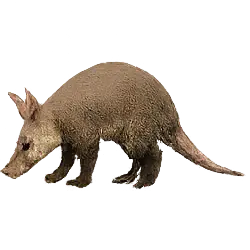
Aardvark
The aardvark is a nocturnal African mammal known for its long snout, strong digging…
Baca panduan spesies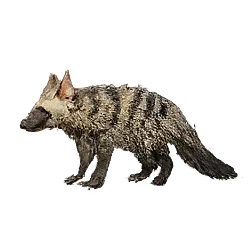
Aardwolf
The aardwolf is a small striped relative of hyenas that feeds mainly on termites rather…
Baca panduan spesies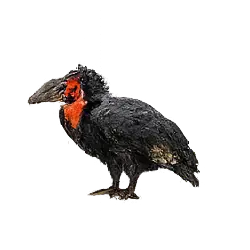
Abyssinian Ground Hornbill
Abyssinian Ground Hornbill is a bird known for bare red facial skin, huge…
Baca panduan spesiesLebih banyak hewan dengan kekuatan Coordination
Jelajahi semua hewan Coordination
Bawa ensiklopedia ke dunia nyata
AnimalDex membantumu memindai hewan nyata, mengidentifikasi spesies, mengoleksi kartu, dan belajar dari alam di mana pun kamu berada.
Panduan blog terkait
Lanjutkan belajar lewat artikel praktis yang terhubung dengan spesies ini.
What If Every Animal Is a Lesson?
Biomimicry, animal intelligence, symbolism, reincarnation, conservation, and why AnimalDex treats every animal as a living lesson.
Baca artikel blogWolf Symbolism: Pack Intelligence, Endurance & Coordinated Territory
Explore wolf symbolism through pack coordination, long-distance endurance, territory governance, and the archetype of disciplined group intelligence.
Baca artikel blogHow Wolves Hunt, Survive, and Shape Ecosystems
A clear guide to wolf behavior, pack intelligence, survival strategy, and ecosystem role, with a systems view of how wolves reshape landscapes.
Baca artikel blogComparisons terkait
Lihat bagaimana spesies ini tampil di halaman perbandingan AnimalDex yang terstruktur.
Cougar vs Wolf: Which Predator Has the Edge?
Cougar gets the edge in a clean one-on-one because the cat is built for ambush, grappling, and fast finishing contact. Wolf becomes more dangerous the moment the scenario includes pack pressure, pursuit, or repeated harassment.
Baca halaman comparisonDeer vs Wolf: Which Side Usually Wins?
Wolf is the stronger overall predation answer, but deer survives plenty of encounters through awareness, escape timing, and terrain. As a one-on-one body contest, the deer is more dangerous than people often assume.
Baca halaman comparisonDhole vs Wolf: Which Wild Canid Has the Better Matchup?
Wolf gets the stronger direct-fight verdict because it is larger and more robust. Dhole stays impressive through pack cohesion, persistence, and coordinated pursuit in rougher terrain.
Baca halaman comparisonElk vs Wolf: Which Side Has the Real Advantage?
A healthy adult elk is the stronger one-body answer, but wolves get the stronger overall predation verdict because pack coordination and winter pressure change the problem.
Baca halaman comparisonMuncul di tier list
Lihat posisi spesies ini di halaman tier list AnimalDex yang dibangun dengan perbandingan terstruktur dan metodologi yang jelas.
#2 · Teamwork
Animals with the Best Teamwork: Top 100 Tier List
Wolf remains one of the best vertebrate teamwork models because pack structure directly changes hunting outcomes.
Baca tier list#3 · Adaptability
Most Adaptable Animals in the World: Top 100 Tier List
Wolf belongs because it adjusts strategy, movement, and prey pressure across very different landscapes.
Baca tier list#4 · Hunting
Best Hunters in the Animal World: Top 100 Tier List
Wolf earns its place through coordinated pursuit, target management, and sustained pressure.
Baca tier list