
Panduan lapangan hewan
Cuttlefish
Identifikasi, habitat, rarity, perilaku, simbolisme, fakta, dan pelajaran praktis dari alam.
Kartu AnimalDex
Buka kartu hewan ini
Pindai atau tangkap hewan ini dengan AnimalDex untuk membuka kartu koleksi dan menambahkannya ke koleksi satwa liarmu.
Dapatkan AnimalDexPanduan lapangan hewan
Cuttlefish
Adaptability
Adjust early. Stay effective.
Presentation is not superficial when it directly changes survival, access, and interpretation.
No captures yet
Native range
Location unknown
AnimalDex does not have a mapped native range region for this profile yet.
AnimalDex stats
Dominance
51
Speed
67
Size
44
Intelligence
66
Rarity
46%
Total
274
Size scale
Nama ilmiah
Sepiida
Kategori
Marine invertebrate
Habitat
Seagrass, reef edge, sandy bottoms, and temperate or tropical coastal shallows.
Rarity
Relatively common · 46/100
Native range
Cuttlefish occur widely across Old World seas depending on species.
Mengapa Adaptability?
Alasan di balik Prinsip Hewan ini dan biologi yang mendukungnya.
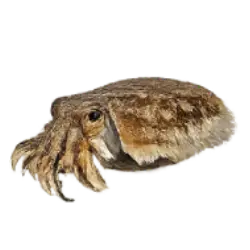
Cuttlefish are intelligent cephalopods known for rapid color change, hovering control, and sophisticated body signaling in coastal marine habitats.
Cara mengidentifikasi Cuttlefish
- Broad oval body with side fins running along much of the mantle
- Large W-shaped pupils and short arms around the mouth
- Fast changes in color, contrast, and skin texture
Kenapa Cuttlefish menarik
- Cuttlefish make active signal manipulation one of the main visible parts of daily behavior.
- They are among the strongest marine examples of sensing, camouflage, and intelligence fused together.
Habitat: Seagrass, reef edge, sandy bottoms, and temperate or tropical coastal shallows.
Native range: Cuttlefish occur widely across Old World seas depending on species.
To find Cuttlefish in the wild, focus on the exact habitat patches that match its body design and daily behavior, not just the broad country where it exists. You usually do better by working one good piece of habitat inside cuttlefish occur widely across Old World seas depending on species. than by covering too much ground.
- Headlands, reef edges, island colonies, tidal channels, or productive coastal water
- Protected habitat blocks within cuttlefish occur widely across Old World seas depending on species.
- First light and late afternoon are often best, when animals come out to feed along the edge of water.
- Time your search around tide, wind, and visibility, then focus on feeding lines, reef edges, and known haul-out or nesting spots.
- Slow down and scan shapes, outlines, and eye-level silhouettes; many good sightings come from noticing what does not move.
Cuttlefish eats the foods its body design and habitat make easiest to access. Diet can shift across seasons, life stages, and local competition.
- The most accessible prey or plant foods in its habitat
- Energy-rich foods that match its size and behavior
- Seasonal resources available in the local environment
A practical answer for Cuttlefish always depends on what food is actually available in seagrass, reef edge, sandy bottoms, and temperate or tropical coastal shallows..
- Uses dynamic camouflage and signaling during hunting and display
- Hovers with fine fin control over reef or sand
- Attacks prey with rapid tentacle projection
Cuttlefish most often symbolizes adaptability in AnimalDex because its real survival behavior repeatedly shows this pattern.
Presentation is not superficial when it directly changes survival, access, and interpretation.
Dynamic skin chromatophores, advanced eyes, and flexible arm control make cuttlefish adaptive display hardware for camouflage, hunting, and signaling. Cuttlefish move through reef and seafloor systems by changing the visible interface faster than most predators or prey can parse it. Their biology treats appearance as an active operating layer.
- Do not corner animals against reef or sand while filming.
- Use slow movements because abrupt pursuit disrupts natural signaling behavior.
- Squid
- Octopus juvenile
- Broad-bodied reef fish in dim light
Hewan terkait
Aardvark
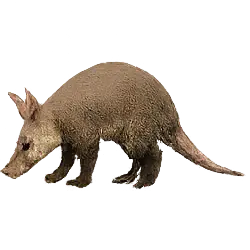
The aardvark is a nocturnal African mammal known for its long snout, strong digging…
Baca panduan spesies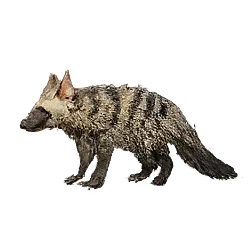
Aardwolf
The aardwolf is a small striped relative of hyenas that feeds mainly on termites rather…
Baca panduan spesies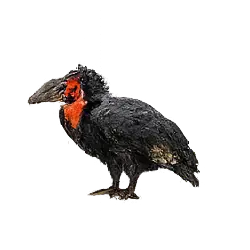
Abyssinian Ground Hornbill
Abyssinian Ground Hornbill is a bird known for bare red facial skin, huge…
Baca panduan spesiesLebih banyak hewan dengan kekuatan Resilience
Jelajahi semua hewan ResilienceBawa ensiklopedia ke dunia nyata
AnimalDex membantumu memindai hewan nyata, mengidentifikasi spesies, mengoleksi kartu, dan belajar dari alam di mana pun kamu berada.
Comparisons terkait
Lihat bagaimana spesies ini tampil di halaman perbandingan AnimalDex yang terstruktur.
Cuttlefish vs Octopus Intelligence: Which Cephalopod Thinks Better?
Octopus gets the edge in direct manipulation and puzzle-style problem solving. Cuttlefish gets the edge in visual signaling, camouflage control, and rapid display-based adaptation. The smartest answer depends on the task format.
Baca halaman comparisonMuncul di tier list
Lihat posisi spesies ini di halaman tier list AnimalDex yang dibangun dengan perbandingan terstruktur dan metodologi yang jelas.
#2 · Camouflage
Animals with the Best Camouflage: Top 100 Tier List
Cuttlefish remains near the top because its body-display control is one of nature's most impressive concealment systems.
Baca tier list#7 · Agility
Most Agile Animals in the World: Top 100 Tier List
Cuttlefish can pivot from stillness to fluid directional change with very little wasted motion.
Baca tier list#9 · Intelligence
Smartest Animals in the World: Top 250 Tier List
Cuttlefish turns perception and body-display control into one of the most impressive adaptive systems in the sea.
Baca tier list