
Panduan lapangan hewan
Dolphin
Identifikasi, habitat, rarity, perilaku, simbolisme, fakta, dan pelajaran praktis dari alam.
The echo-guided pod genius animal. The Dolphin is a playful sea mammal that uses clicks and echoes to find its way and hunt fish. It can listen to the water like a map even when it cannot see clearly. For us, the message is simple: the better we read a situation, the less force we need later.

Kartu AnimalDex
Buka kartu hewan ini
Pindai atau tangkap hewan ini dengan AnimalDex untuk membuka kartu koleksi dan menambahkannya ke koleksi satwa liarmu.
Dapatkan AnimalDexNama ilmiah
Delphinidae
Kategori
Marine mammal
Habitat
Coastal seas, estuaries, offshore waters, and occasionally large river systems depending on species.
Rarity
Relatively common · 43/100
Native range
Found worldwide from temperate to tropical oceans, with different species occupying regional marine zones.
Echo Social Intelligence
Find your pod. Share the signal.
Find your people. Share the signal.
Apa yang diajarkannya
Clear communication becomes power when the environment is noisy.
Bukti alam
Dolphins combine echolocation, whistles, social learning, and coordinated movement to navigate murky water, hunt together, and maintain group bonds across distance.
Gunakan untuk
Tangkapan Dolphin berperingkat
Belum ada tangkapan komunitas berperingkat untuk spesies ini.
Mengapa Echo Social Intelligence?
Alasan di balik Prinsip Hewan ini dan biologi yang mendukungnya.
Dolphins are fast, social marine mammals known for echolocation, coordinated hunting, and flexible behavior in dynamic coastal and open-water systems.
Cara mengidentifikasi Dolphin
- Streamlined grey body with a beak-like snout in many species
- Curved dorsal fin and powerful tail flukes
- Smooth porpoising movement and frequent surfacing in groups
Kenapa Dolphin menarik
- Dolphins are among the clearest marine examples of intelligence fused with real-time sensing.
- They are useful for studying how communication and movement scale together in open environments.
Habitat: Coastal seas, estuaries, offshore waters, and occasionally large river systems depending on species.
Native range: Found worldwide from temperate to tropical oceans, with different species occupying regional marine zones.
To find Dolphin in the wild, focus on the exact habitat patches that match its body design and daily behavior, not just the broad country where it exists. You usually do better by working one good piece of habitat inside found worldwide from temperate to tropical oceans, with different species occupying regional marine zones. than by covering too much ground.
- Quiet marsh edges, reedbeds, river bends, or shallow wetland margins
- Headlands, reef edges, island colonies, tidal channels, or productive coastal water
- Protected habitat blocks within found worldwide from temperate to tropical oceans, with different species occupying regional marine zones.
- First light and late afternoon are often best, when animals come out to feed along the edge of water.
- Watch the transition line between open water and cover, because feeding and movement often happen on that edge.
- Slow down and scan shapes, outlines, and eye-level silhouettes; many good sightings come from noticing what does not move.
Dolphin has a mammal diet shaped by anatomy, habitat, and competition. The exact food mix depends on whether the species is built more for hunting, grazing, browsing, or omnivory.
- Plant material, prey, or both depending on species design
- Seasonally abundant foods in the local habitat
- Higher-value foods that match energy demands
The food available in coastal seas, estuaries, offshore waters, and occasionally large river systems depending on species. often matters as much as the species' ideal diet.
- Coordinates group hunting around fish schools and shallow edges
- Uses echolocation clicks to read underwater structure and prey
- Maintains strong social bonds through whistles, posture, and synchronized movement
Dolphin most often symbolizes echo social intelligence in AnimalDex because its real survival behavior repeatedly shows this pattern.
Clear communication becomes power when the environment is noisy.
Dolphins combine echolocation, whistles, social learning, and coordinated movement to navigate murky water, hunt together, and maintain group bonds across distance.
- Observe from regulated distances and never angle boats into moving pods.
- Let dolphins choose approach distance rather than chasing surface activity.
- Porpoise
- Small whale species
- Juvenile pilot whale
statsTitle
statsDescription
statsSourceLabel: statsSourceGenerated
dominanceStat
59
speedStat
64
sizeStat
52
intelligenceStat
63
rarityStat
43%
Total
281
Size scale
Large
Uses the canonical size stat for consistent placement


US$203 – US$421
Perkiraan rentang nilai
Kepercayaan 60%
Perkiraan nilai AnimalDex dibuat dari stat spesies kanonik.
Not a marketplace listing.
Perkiraan nilai berdasarkan hewan yang teridentifikasi dan konteks harga yang tersedia. Bukan daftar marketplace.
Seberapa langka Dolphin?
Rarity: Relatively common (43/100)
Several dolphin species are still widespread, but local abundance can drop where bycatch, pollution, or vessel pressure remain high.
Systems Intelligence & Hidden Purpose
Sudut pandang systems biology untuk melihat bagaimana spesies ini dibangun, peran apa yang dijalankannya di ekosistem, dan pelajaran praktis apa yang bisa dipetik manusia.
System Role
The Sonar Coordination Engine
Dolphin
Specialized Hardware
Echolocation, dense auditory processing, hydrodynamic bodies, and strong social communication give dolphins active-sensing hardware for hunting where visibility is unreliable.
Systems Script
Dolphins shape fish movement, coordinate predation, and move information through pods faster than many prey systems can adapt. They show how intelligence and locomotion become more powerful when fused with live sensing.
Strategic Insight
When the environment is noisy or opaque, do not wait for perfect visibility. Build feedback loops that let you sense while moving.
Public Animal Power
Explore this Animal Power
This is a public capture, so you can explore its Animal Power here. Personal Apex matches and challenges use your Wild Profile and animals you own.
Own an animal with this power to use it in Growth challenges.
Hewan terkait
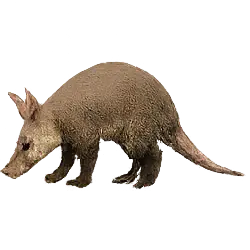
Aardvark
The aardvark is a nocturnal African mammal known for its long snout, strong digging…
Baca panduan spesies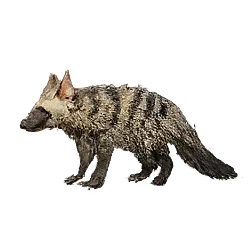
Aardwolf
The aardwolf is a small striped relative of hyenas that feeds mainly on termites rather…
Baca panduan spesies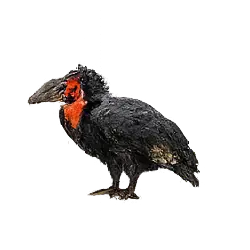
Abyssinian Ground Hornbill
Abyssinian Ground Hornbill is a bird known for bare red facial skin, huge…
Baca panduan spesiesLebih banyak hewan dengan kekuatan Communication
Jelajahi semua hewan Communication
Bawa ensiklopedia ke dunia nyata
AnimalDex membantumu memindai hewan nyata, mengidentifikasi spesies, mengoleksi kartu, dan belajar dari alam di mana pun kamu berada.
Panduan blog terkait
Lanjutkan belajar lewat artikel praktis yang terhubung dengan spesies ini.
Capture Animals App: Identify, Collect, and Learn About Real Animals
Looking for a capture animals app? AnimalDex lets you scan real animals, identify species, collect discoveries, and build your own real-world animal collection.
Baca artikel blogBiomimicry in Animals: 35 Examples of Nature-Inspired Design
Discover 35 examples of biomimicry in animals, from shark skin and gecko feet to owl wings, elephant trunks, whale fins, spider silk, dolphins, ants, bees, and more.
Baca artikel blogWhat If Every Animal Is a Lesson?
Biomimicry, animal intelligence, symbolism, reincarnation, conservation, and why AnimalDex treats every animal as a living lesson.
Baca artikel blogComparisons terkait
Lihat bagaimana spesies ini tampil di halaman perbandingan AnimalDex yang terstruktur.
Dolphin vs Octopus Intelligence: Which Animal Thinks Better?
Dolphin gets the edge in social intelligence, communication, and group learning. Octopus gets the edge in solitary problem solving, manipulation, and flexible immediate adaptation. The smartest answer still depends on the task.
Baca halaman comparisonDolphin vs Orangutan Intelligence: Which Animal Thinks Better?
Dolphin gets the broader intelligence edge through communication, social learning, and fluid group coordination. Orangutan remains exceptional in deliberate problem solving, memory, and tool-oriented planning, especially in structured tasks.
Baca halaman comparisonDolphin vs Shark Intelligence: Which Marine Hunter Is Smarter?
Dolphin is clearly smarter in flexible cognition, communication, and social coordination. Shark remains an elite sensory hunter, but intelligence and predatory efficiency are not the same thing.
Baca halaman comparisonPig vs Dolphin Intelligence: Which Animal Thinks Better?
Dolphin gets the broader intelligence edge through communication, social coordination, and flexible group learning. Pig remains far smarter than many people expect, especially in curiosity-driven tasks, memory, and practical problem solving close to the ground.
Baca halaman comparisonMuncul di tier list
Lihat posisi spesies ini di halaman tier list AnimalDex yang dibangun dengan perbandingan terstruktur dan metodologi yang jelas.
#1 · Communication
Most Communicative Animals in the Wild: Top 100 Tier List
Dolphin takes the top slot because communication is central to coordination, identity, play, and social learning.
Baca tier list#1 · Intelligence
Smartest Animals in the World: Top 250 Tier List
Dolphins combine communication, play, memory, and social learning at a very high level.
Baca tier list#2 · Reproduction
Animals with the Highest Mating Drive: Top 100 Tier List
Dolphin stays near the top because sexual behavior appears often in social play, hierarchy, and bonding rather than only narrow breeding windows.
Baca tier list