

Animal WisdomBiomimicryAnimal Intelligence
What If Every Animal Is a Lesson?
Biomimicry, animal intelligence, symbolism, reincarnation, conservation, and why AnimalDex treats every animal as a living lesson.
Originally published on AnimalDex’s Substack

Dalam panduan ini
- Quick Answer
- Why I Built AnimalDex
- The Old Way of Looking at Animals
- The Body as a Map
- Every Animal Has a Strategy
- Cats, Dogs, and the Shift Today
- Noah's Ark and the Spectrum of Consciousness
- Did We Evolve, or Did We Devolve?
- Experiments at the Edge of Animal Consciousness
- Reincarnation as Animal Lessons
- Seven Animals and Their Lessons
- Animal Extinction as Loss of Consciousness
- From Identification to Relationship
- The Future of Learning May Look Like Play
- What If Animals Are Teaching Balance?
- The Real-Life Pokedex Was Always Nature
- The Question I Keep Returning To
Quick Answer
Quick answer
Maybe animals are not just animals. Maybe a shark is not only a shark, an owl is not only an owl, and a gorilla is not only a gorilla.
Each animal may carry a special lesson: a way of being, a kind of intelligence, and a strategy for solving life. Biology explains how that strategy works. Symbolism helps us ask what it might mean for us.
This article explores that idea through biomimicry, animal intelligence, consciousness, reincarnation as a symbolic lens, conservation, and the reason I built AnimalDex. Speculative and spiritual ideas are presented as interpretation, not established science.
What if animals are not just things to name, but teachers?
Why I Built AnimalDex
There is an idea that my intuition tells me I know rather than merely believe: when we pay attention to animals, we may be remembering something about ourselves.
That is one reason I built AnimalDex, a real-world animal collection game where you capture animals, learn from them, and build a collection of lessons from the living world.
On the surface, AnimalDex is simple. You see an animal. You capture it. You add it to your collection. You learn what makes it special.
Underneath that simple loop is a larger question: what does this animal know that I have forgotten?

The Old Way of Looking at Animals
Most of us are taught to look at animals in a flat way. A cat is a pet. A shark is an apex predator. An owl is nocturnal. A gorilla is strong. A dolphin is smart. An elephant has a good memory.
These labels are useful, but incomplete. The deeper question is not only, ‘What animal is this?’ It is, ‘What does this animal know that I have forgotten?’
That is where biomimicry begins. We study birds and build aircraft. We study burrs and invent hook-and-loop fasteners. We study forests and rethink cities. But there is another level: not only copying nature’s structures, but learning from its behaviour, intelligence, and problem-solving.
Biology describes how the form survives. Symbolism asks what the form means.
The Body as a Map
Balanced Governance uses the body as a map for thinking about systems. The left brain can represent rules, categories, numbers, and control. The right brain can represent context, relationships, imagination, and the whole. The heart can represent compassion and moral direction. The gut can represent nourishment, circulation, waste, and the economy.
Whether or not we accept every part of that framework, it opens a useful question: if the human body contains different forms of intelligence, what about the rest of nature?
What if animals are expressions of specialized intelligence—not intelligence in the school-test sense, but intelligence as a way of solving life?
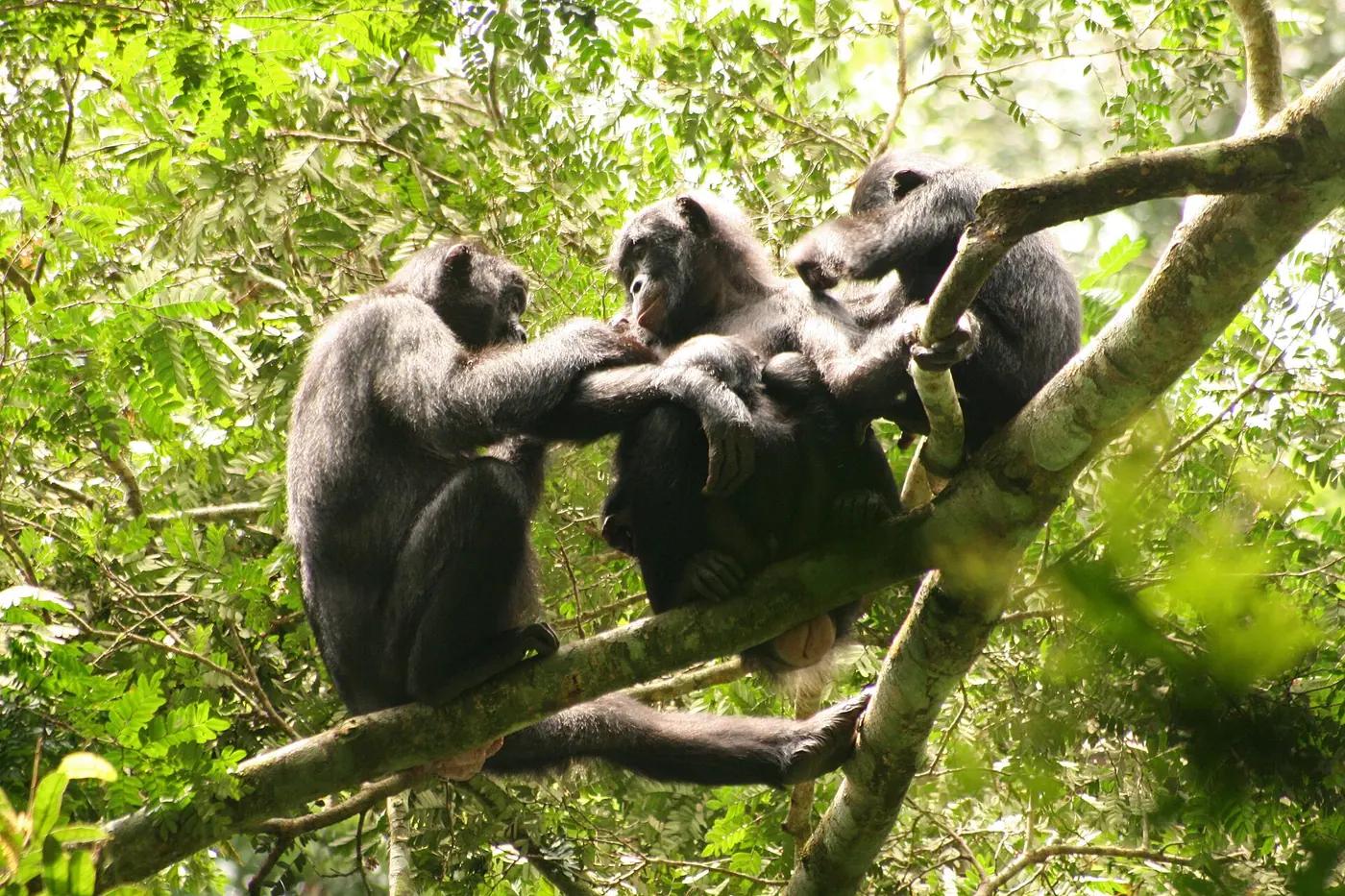
Every Animal Has a Strategy
The shark solves life through momentum. The owl solves life through acoustic precision. The wolf solves life through cooperation. The elephant solves life through memory.
The dolphin solves life through sonar communication. The gorilla solves life through presence. The cat solves life through independence. The dog solves life through loyalty. The weasel solves life through disruption and misdirection.
Every animal has a strategy. Every animal has a lesson. Each one has mastered a particular slice of existence.
Great White SharkBarn OwlWolfElephantDolphinGorilla
Cats, Dogs, and the Shift Today
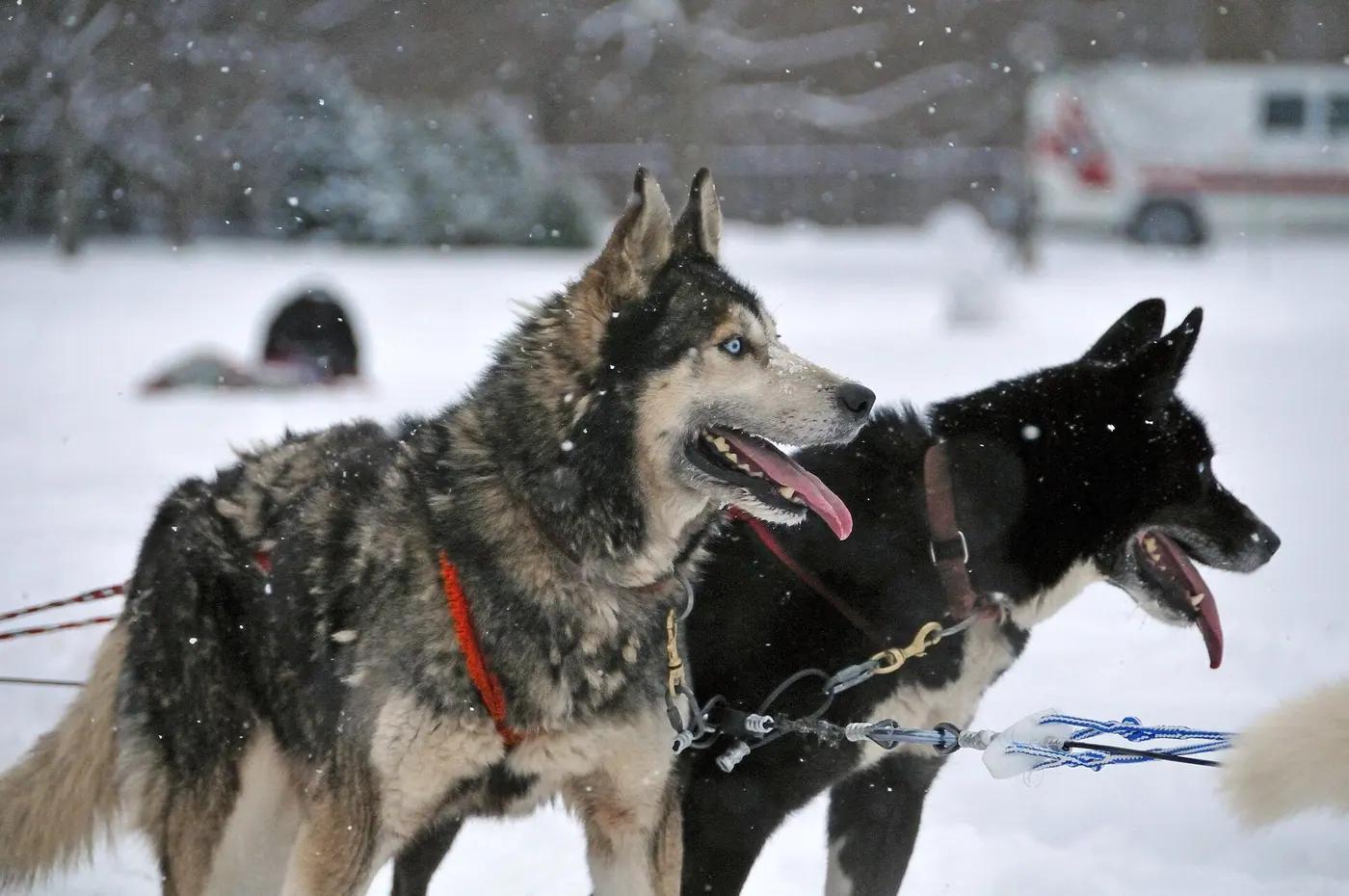
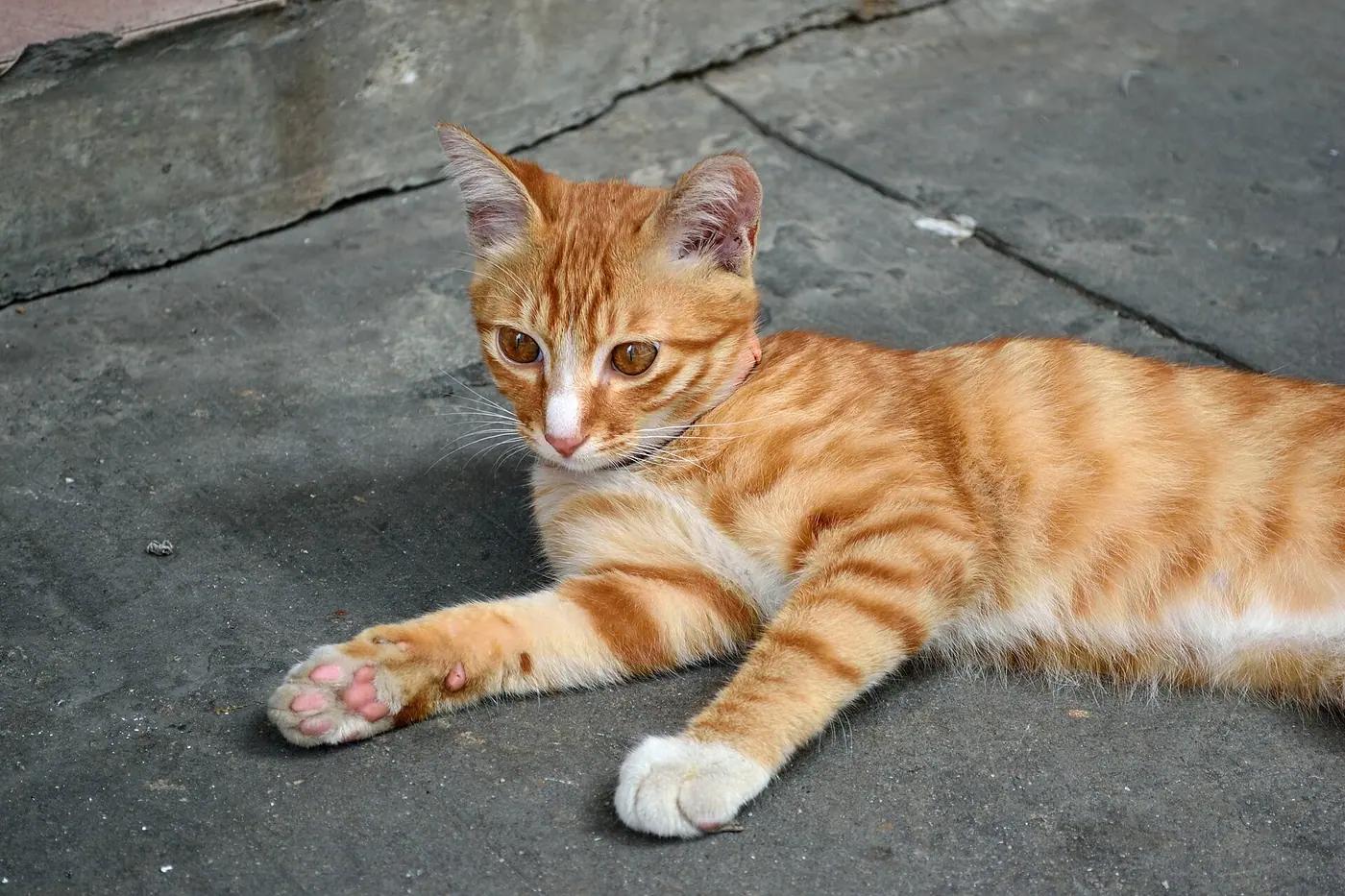
Dogs are loyal, social, responsive, and eager to belong. They represent order, service, routine, relationship, and social bonding. Cats are independent, quiet, observant, selective, and self-directed. They represent intuition, space, mystery, boundaries, and self-possession.
AI is changing work. Institutions feel unstable. Trust in authority is falling. More people are working, learning, and building alone. The dog lesson says: follow the structure and belong. The cat lesson says: know yourself, move quietly, stay free, and choose your bonds carefully.
I am not claiming that one animal is better or that pet ownership proves a social theory. I am asking whether certain animals become more visible to us when we need the lesson they embody.
Order and independence
Noah's Ark and the Spectrum of Consciousness
What if Noah’s Ark was not only a story about preserving biological species? What if it was also a story about preserving a spectrum of powers?
The courage of the lion. The memory of the elephant. The loyalty of the dog. The independence of the cat. The cooperation of the wolf. The precision of the owl. The momentum of the shark. The transformation of the butterfly.
In that symbolic sense, every animal is an ark of consciousness. Humans seem to contain many of these patterns, but we are often poor at balancing them.
The goal is not to become one animal. The goal is to remember the whole ark inside us.
Did We Evolve, or Did We Devolve?
Biologically, evolution describes how populations change across generations. Spiritually and psychologically, I sometimes wonder whether technological progress has also cost us forms of perception and relationship.
We can build suspension bridges, but many people cannot identify the bird outside their window. We can generate images with AI, but struggle to sit quietly with ourselves. We can measure more than ever while still arguing about everything that cannot be measured.
Maybe animals are not beneath us. Maybe they are parts of life that remained intact—specialists in attention, movement, cooperation, sensitivity, and place.
Experiments at the Edge of Animal Consciousness
Some animal-consciousness stories are controversial, difficult to verify, ethically disturbing, or unsupported by successful replication. They should not be presented as settled fact. They are still useful when handled carefully because they expose questions our models do not fully answer.
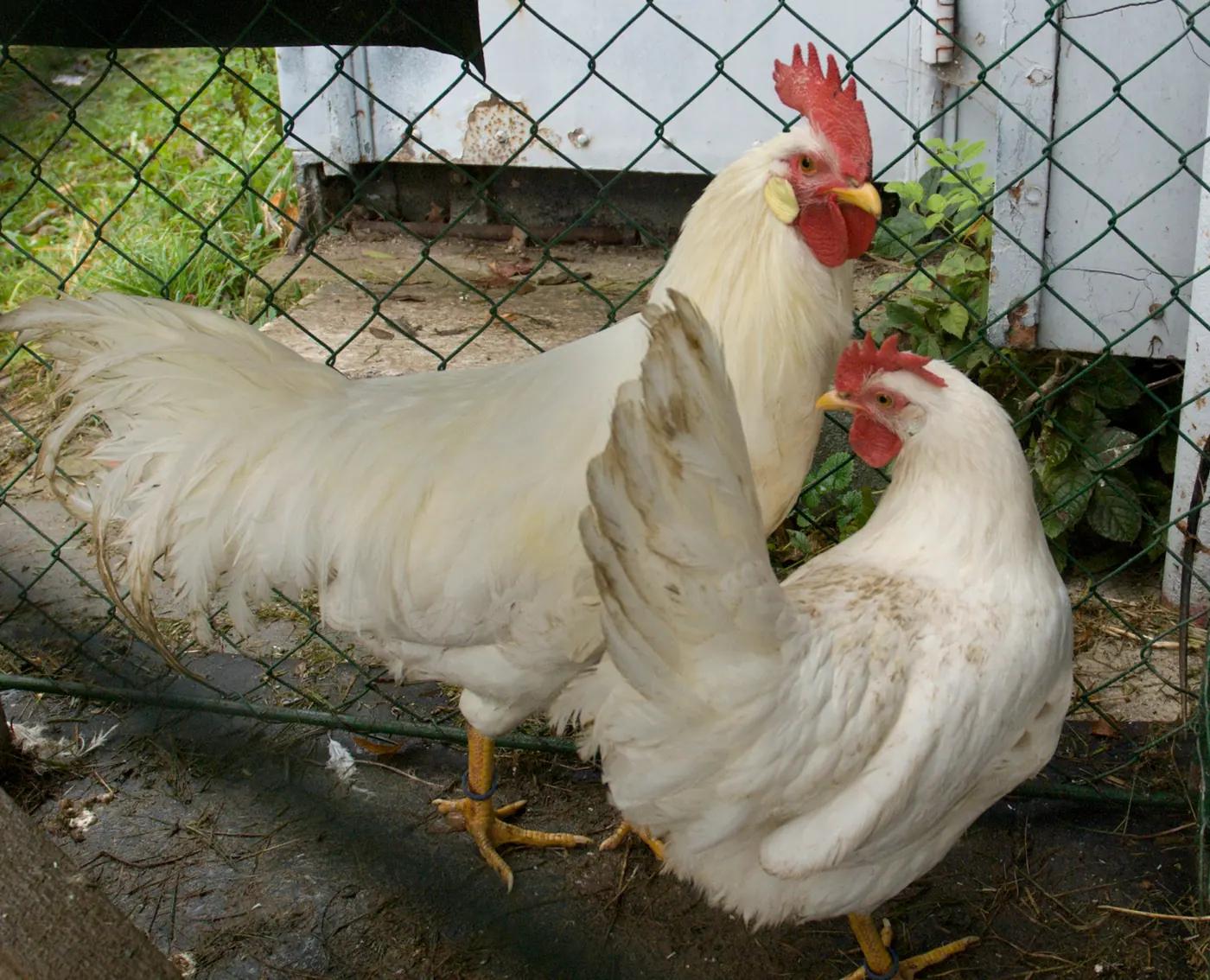
René Peoc’h reported that chicks imprinted on a randomly moving robot and that the robot later spent more time near the chicks than chance would predict. The interpretation that attachment influenced the machine is disputed. As a symbolic image, however, it suggests a beautiful phrase: attachment organizes chaos.
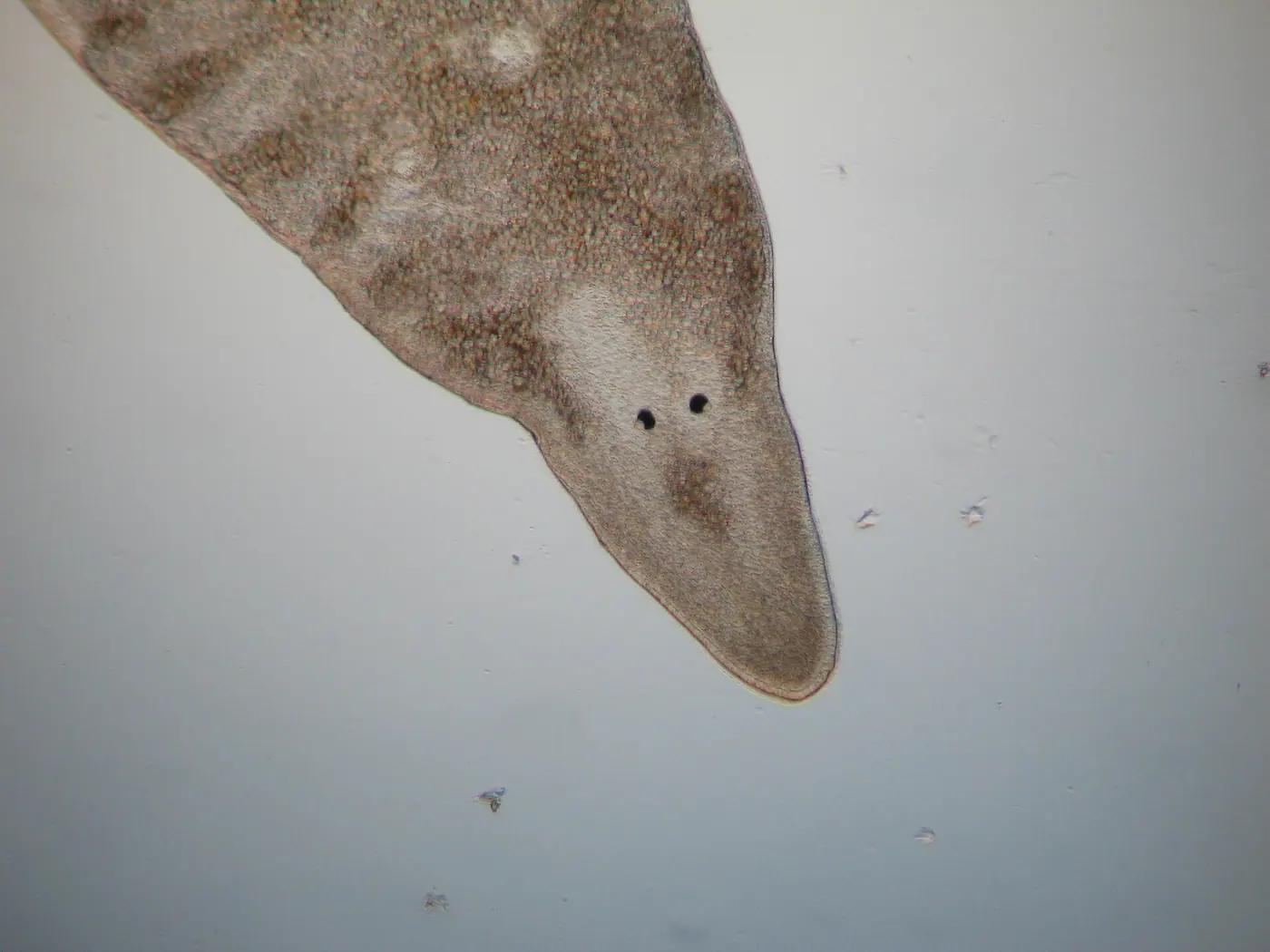
Old planarian experiments asked whether learned behaviour could survive regeneration or transfer. The historical memory-transfer claims remain controversial, but planarians still challenge simple assumptions about regeneration, memory, and where a persistent biological pattern lives.
Material explanations—sound, smell, body language, micro-movements, electromagnetic sensitivity, pattern recognition, and evolved instinct—should always be examined first. Mystery is not permission to overclaim. It is an invitation to stay curious.
Maybe our first job is not to solve every mystery. Maybe our first job is to pay attention.
Questions at the edge
Reincarnation as Animal Lessons
Here is the wildest thought: what if reincarnation is not only about returning as another human? What if, as a symbolic lens, a life as an animal represents training in one specialized lesson?
A lifetime as a dog to learn loyalty. A cat to learn boundaries. A shark to learn momentum. An owl to learn precision. A wolf to learn cooperation. An elephant to learn memory. A gorilla to learn presence. A dolphin to learn communication.
I cannot prove this, and I am not presenting it as fact. But the lens changes how we look at animals. The animal is not ‘less than’ us. The animal is specialized. Humans are generalists; animals often reveal mastery of one slice of existence.
Seven Animals and Their Lessons
These lessons begin with real anatomy, ecology, and repeatable behaviour. The human interpretation comes afterward.
The Weasel: Disruption
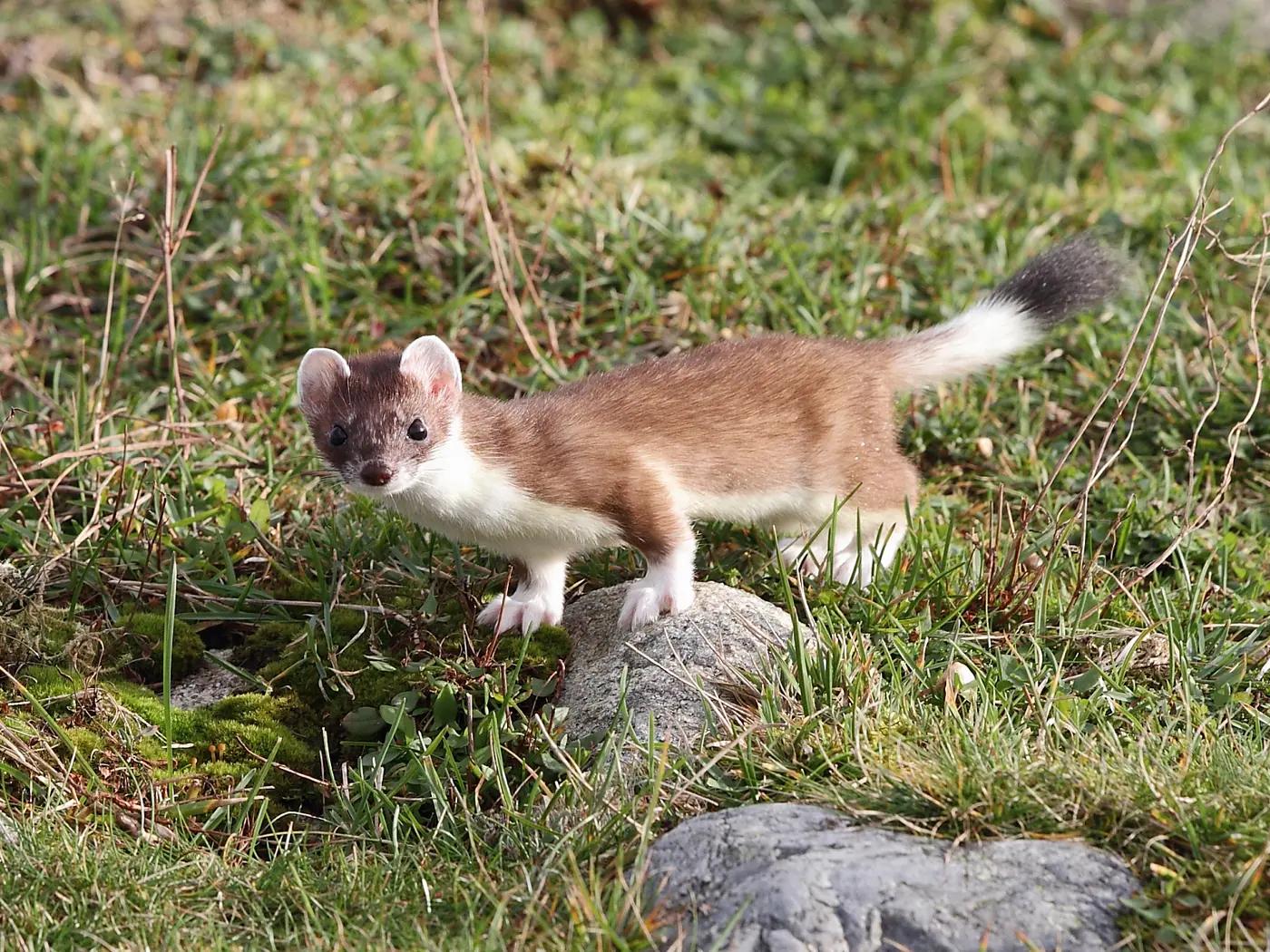
Small mustelids can move with extraordinary twists, jumps, freezes, and direction changes. The symbolic lesson is disruption: when the world expects a straight line, move strangely.
The weasel does not win through size. It survives through agility, surprise, and unpredictability. In human life, that can resemble creativity, originality, and breaking a stale pattern.
The Owl: Acoustic Precision
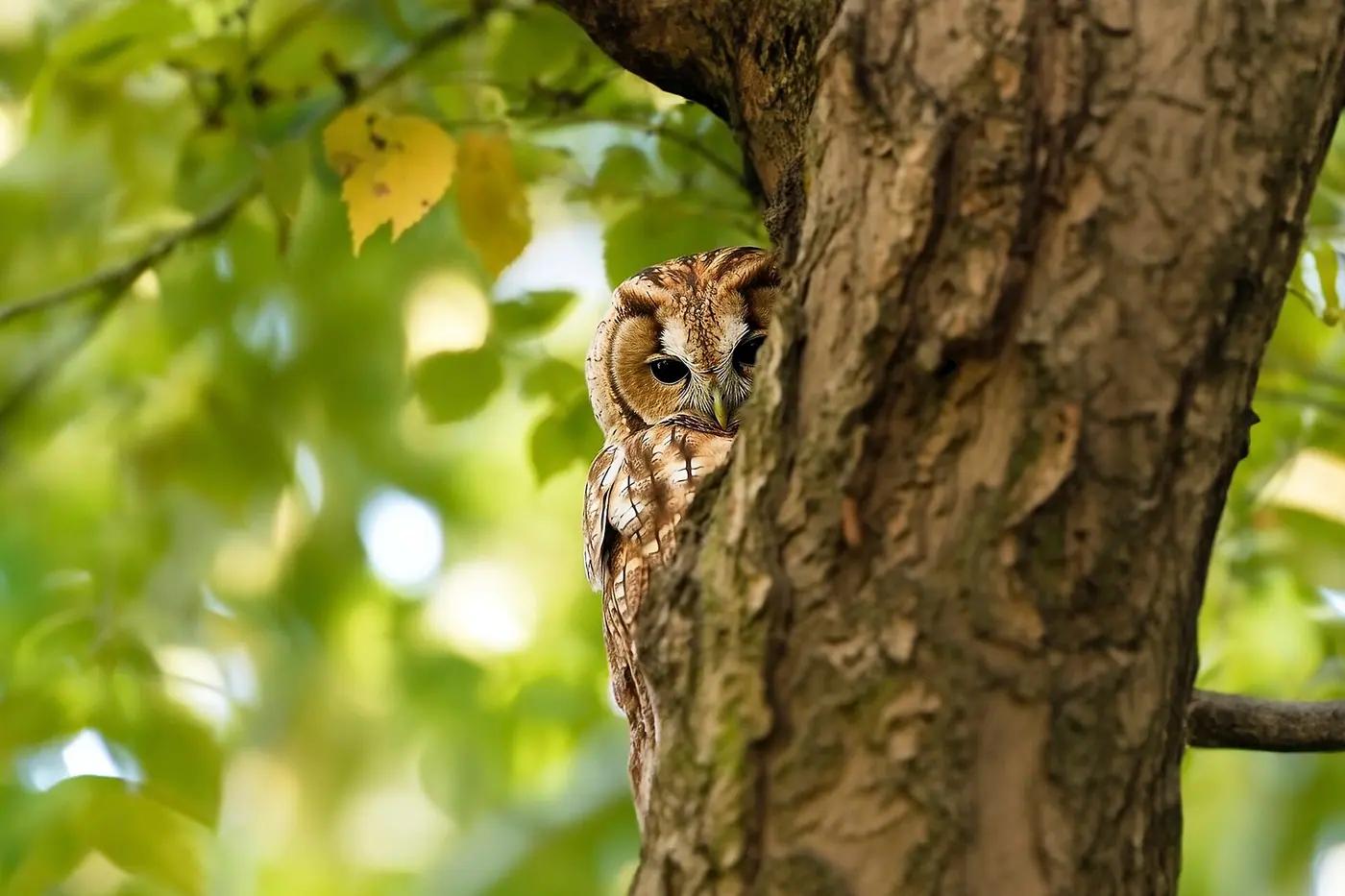
Owls can locate prey by sound with astonishing accuracy, and asymmetrical ear placement helps some species resolve where a sound comes from in darkness.
The owl says: you do not need to see everything if you can listen deeply enough. Silence is also data.
The Gorilla: Presence
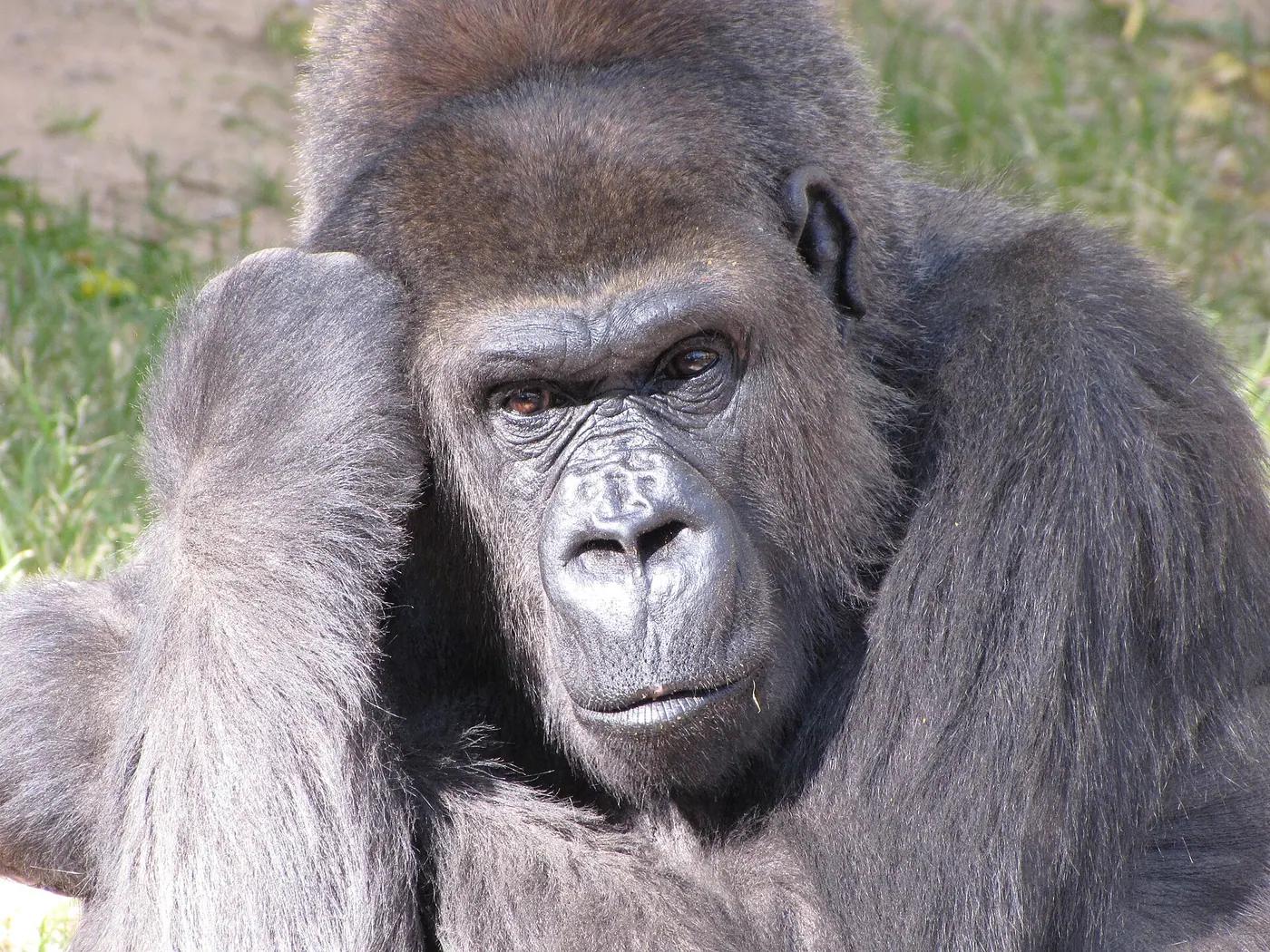
Gorilla strength is embodied rather than frantic. A silverback can represent protection, grounded authority, and power that does not need to perform constantly.
Presence is not aggression. It is the ability to be fully where you are. Sometimes strength sits still.
The Shark: Momentum
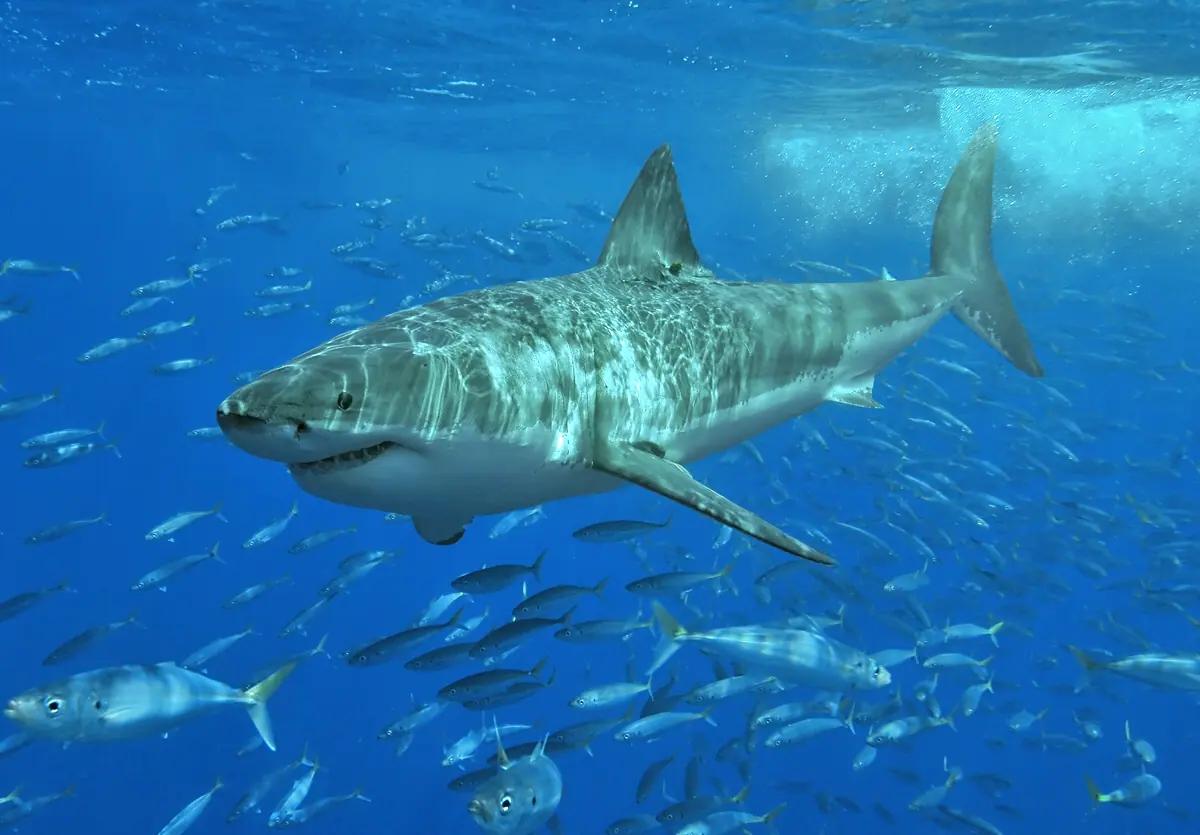
The claim that every shark must keep moving or die is too simple; shark respiration varies by species. The broader biological image remains powerful: an animal built to move through resistance with sensory focus.
The shark lesson is directed momentum. Sometimes clarity follows movement, confidence follows action, and life opens because you kept swimming.
The Dolphin: Communication
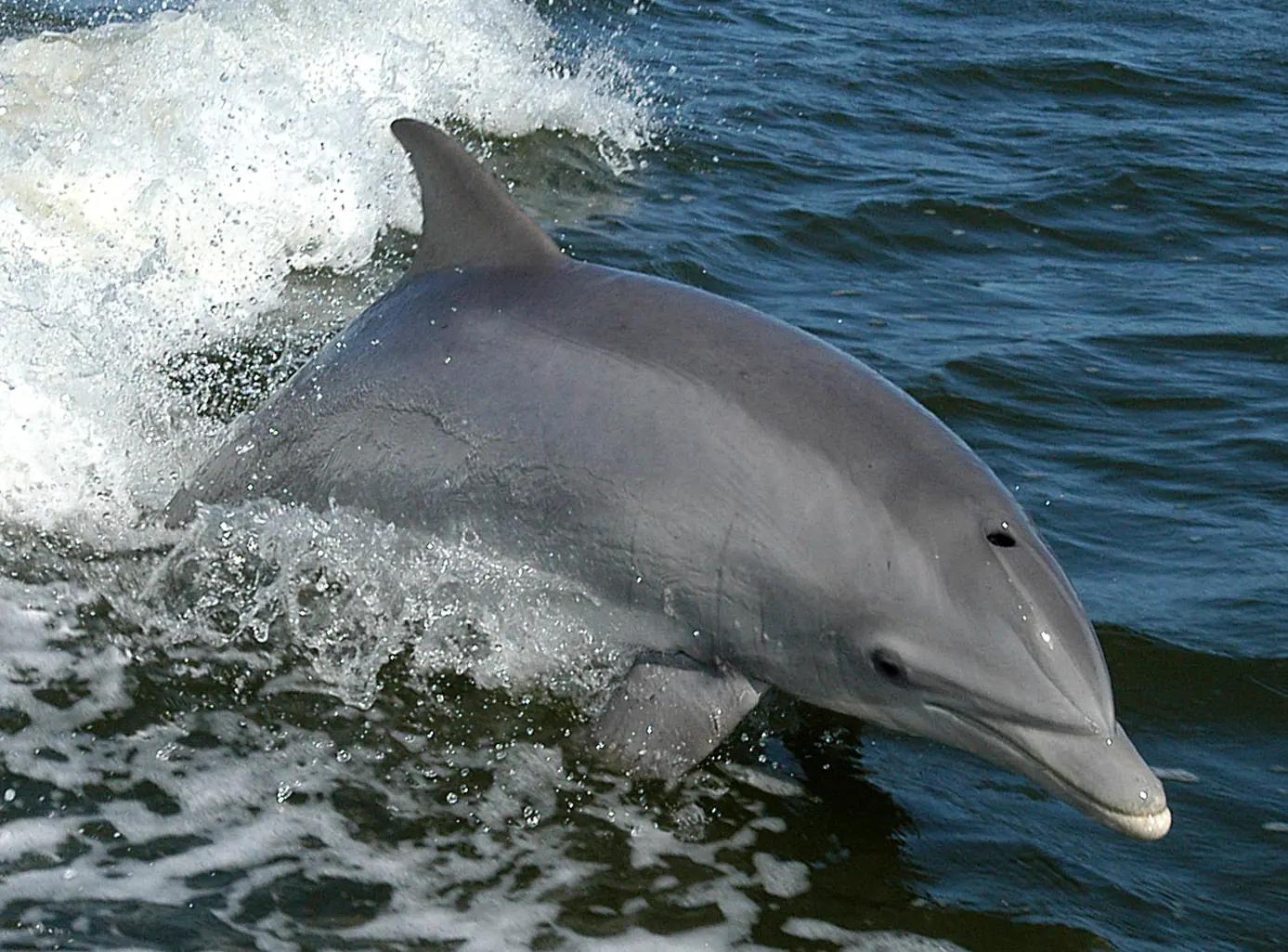
Dolphins use clicks, whistles, echolocation, body movement, and complex social signals. Their intelligence is relational and layered.
The dolphin lesson is not merely to speak. It is to send, receive, sense, adjust, and remain connected to the group without losing yourself.
The Wolf: Cooperation
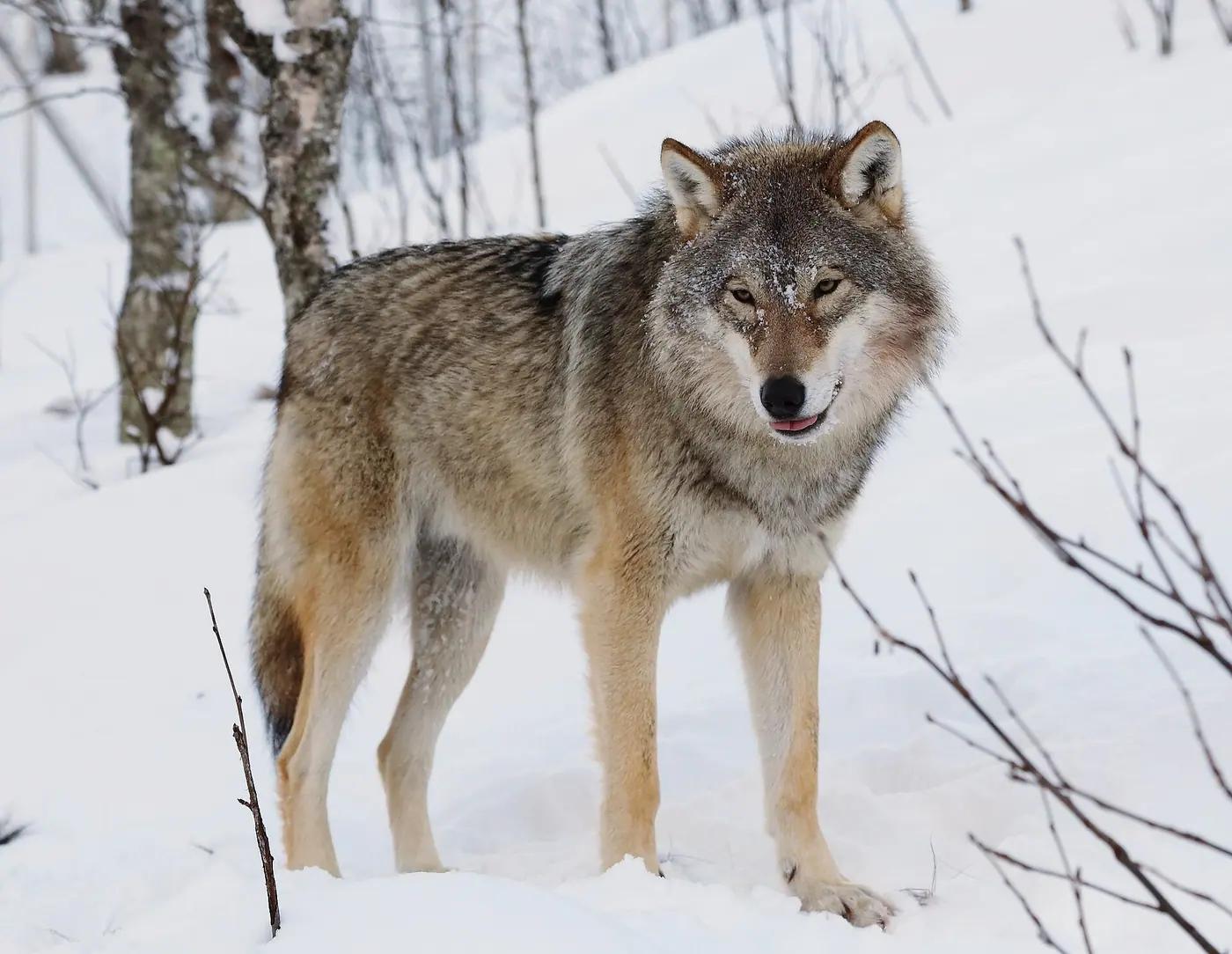
Wolf cooperation is survival cooperation. Hunting, territory, raising young, and enduring difficult conditions depend on coordinated social roles.
The deeper wolf lesson is not the romantic lone wolf. It is belonging with purpose: knowing when to lead, scout, protect, nurture, warn, or hold the back.
The Elephant: Memory
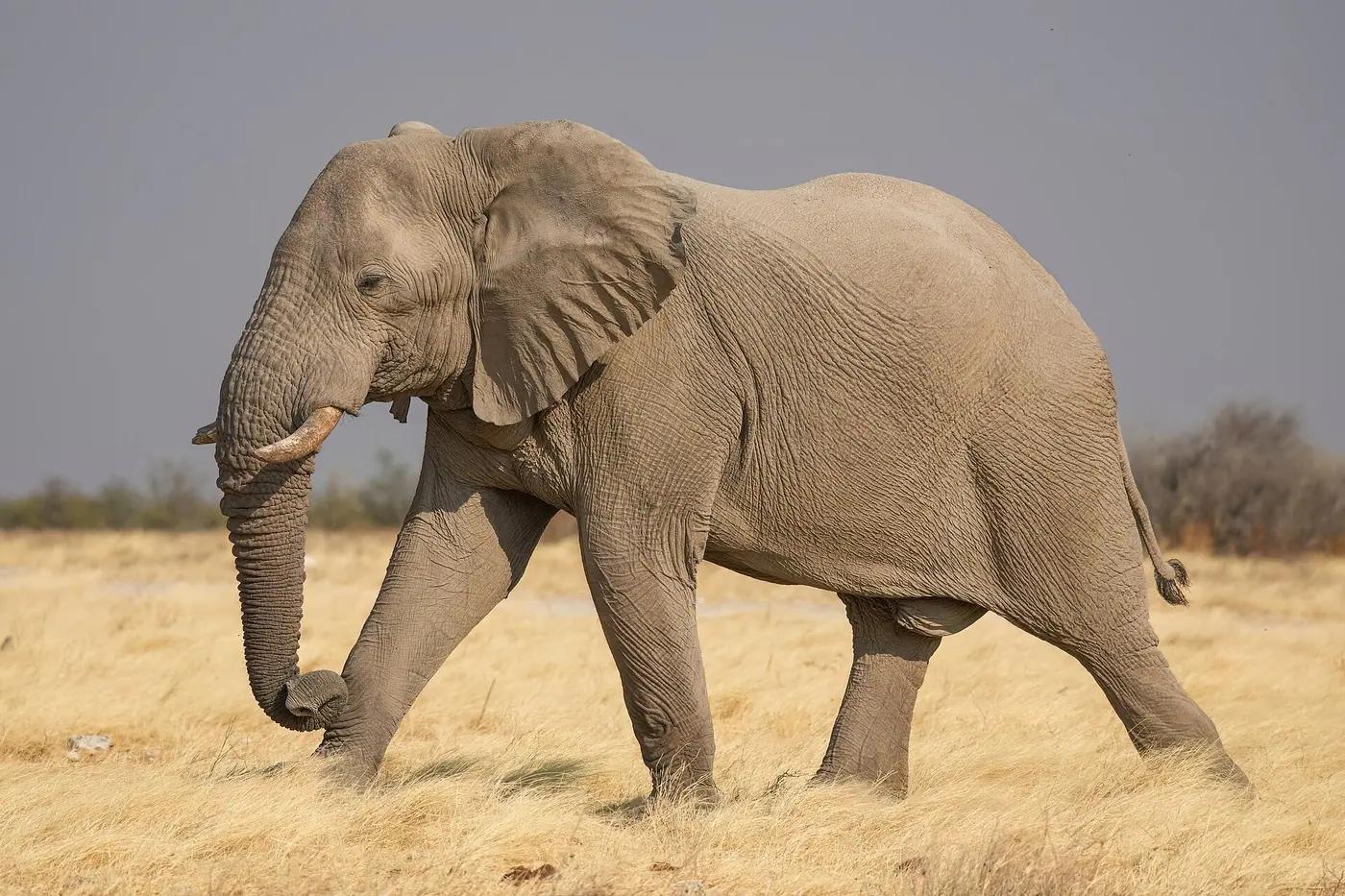
Elephants remember routes, water sources, family members, and social relationships. Older matriarchs can carry survival knowledge that matters to the herd during drought and danger.
The elephant teaches memory as responsibility, not nostalgia. Memory is how the future survives.
Barn OwlGorillaGreat White SharkDolphinWolfElephant
Animal Extinction as Loss of Consciousness
When a species goes extinct, we do not only lose biodiversity. We lose a strategy, a relationship, and a living answer to the question, ‘How can life be lived?’
When the tiger disappears, focused power disappears from that ecosystem. When the bee disappears, pollination relationships disappear. When the whale disappears, depth and song disappear. When the vulture disappears, a purification service disappears.
At a plain ecological level, extinction makes the web of life less complete. At a symbolic level, it feels like collective amnesia: the disappearance of a teacher.
From Identification to Relationship
Most animal apps begin and end with identification: what species is this? That is useful, but I want AnimalDex to go further.
What does this animal teach? What principle does it carry? What survival strategy has it mastered? What can this animal awaken in me?
A dog is not only a scientific name. It is loyalty, bonding, service, play, protection, and trust. A cat is independence, intuition, elegance, boundaries, and selective affection. A shark is momentum, sensory power, and ancient survival. The animal becomes a mirror.
The Future of Learning May Look Like Play
Serious topics do not always need serious-looking formats. Climate education may need games. Conservation may benefit from collection mechanics. Biomimicry may need better storytelling.
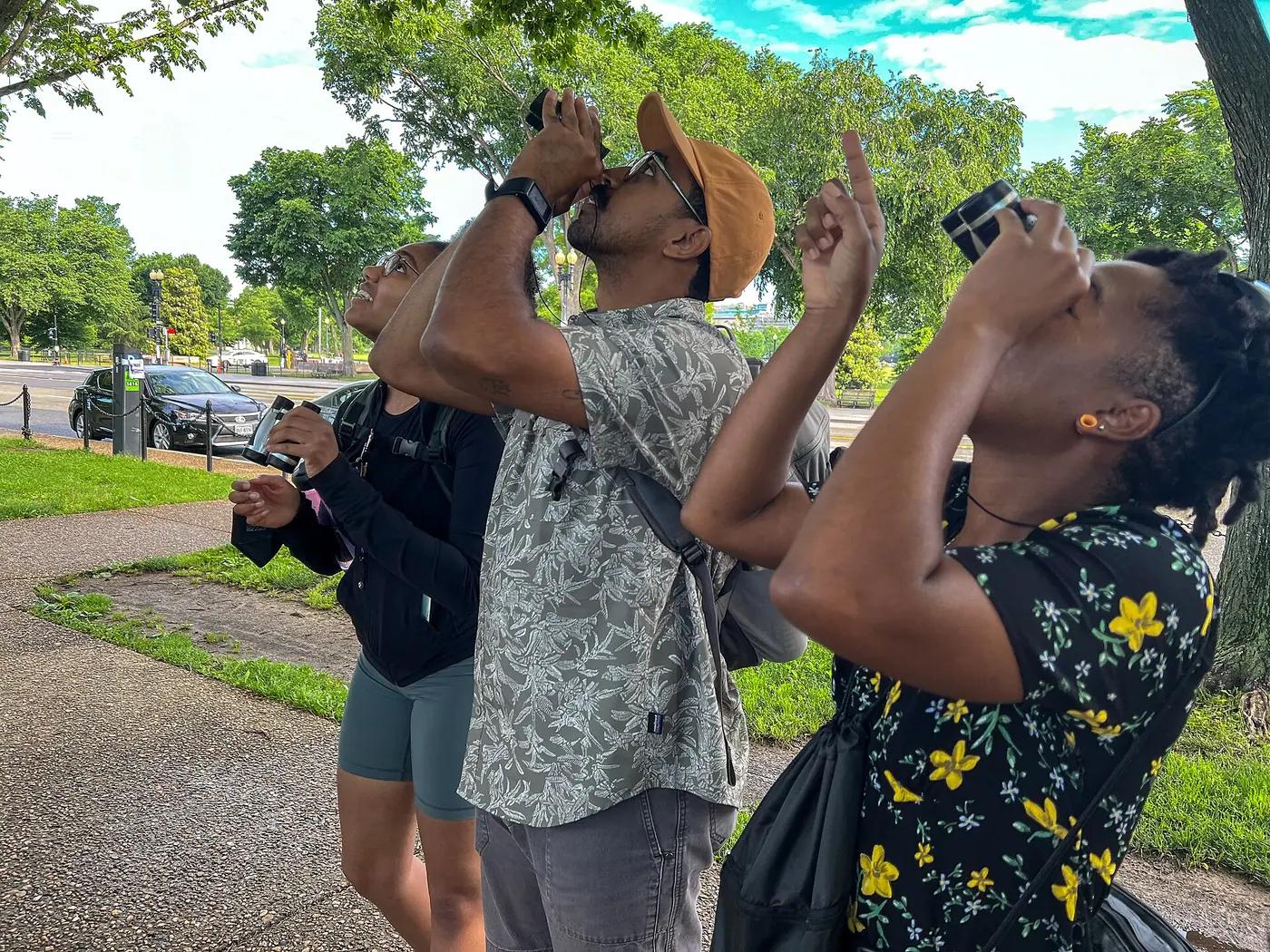
A child sees a bird, scans it, unlocks a profile, learns its traits, and starts noticing more animals. That moment matters because attention is the beginning of love, and love is the beginning of protection.
A trading card can lead to biology. A zoo visit can lead to ecology. A scan can lead to conservation. A game can lead to reverence.
What If Animals Are Teaching Balance?
The dog says: belong. The cat says: stay free. The wolf says: cooperate. The shark says: move. The owl says: listen. The elephant says: remember. The gorilla says: be present. The dolphin says: communicate.
None of these lessons is enough alone. Too much dog becomes obedience. Too much cat becomes isolation. Too much shark becomes aggression. Too much owl becomes detachment. Too much elephant becomes living in the past. Too much wolf becomes groupthink.
The goal is not to become one animal. The goal is to balance the full collection of strategies within us.
The Real-Life Pokedex Was Always Nature
Creature-collection games work because they touch something ancient: the desire to encounter creatures, name them, understand their abilities, travel through the world with them, and grow through the journey.
The real world already has this. Owls, sharks, dolphins, elephants, weasels, cats, and dogs are already extraordinary. We became too distracted to notice.
AnimalDex is built around a simple idea: the real-life Pokedex is nature. If we can make people look again, perhaps we can make people care again.

The Question I Keep Returning To
What if every animal is a lesson? What if every species is a kind of intelligence? What if extinction is not only the loss of life, but the loss of a teaching?
What if humans are not above animals, but shaped by many of their patterns? What if the future of education begins with a child pointing a phone at a bird and suddenly caring about the living world?
I do not know. But I know this: when we pay attention to animals, the world becomes alive again. When the world becomes alive again, we become responsible to it.
A child sees an animal. They ask what it is. Then, maybe, they ask what it means. That is enough to begin. AnimalDex is my small attempt to begin there.
Attention is where relationship begins. Relationship is where responsibility begins.
Systems Intelligence & Hidden Purpose
Lihat hewan-hewan ini sebagai sistem biologis yang dirancang dengan presisi: apa fungsinya, bagaimana ia bekerja di lingkungan, dan apa yang bisa kita pelajari dari desainnya.
Specialized Hardware
Regional endothermy, electroreception, and high-torque swimming design make great white sharks pursuit hardware for powerful marine predation.
Systems Script
They regulate marine food webs by pressuring seals, fish, and other prey species across coastal and pelagic routes. Great whites keep movement honest in the upper tiers of the oceanic system.
Strategic Insight
Top performance is rarely one feature. It is a stack of sensing, power, and timing that works under load.
Specialized Hardware
A facial disc that funnels sound, asymmetrical ears that triangulate prey in three dimensions, and feather geometry built for near-silent flight make the barn owl elite nocturnal capture hardware.
Systems Script
Barn owls convert darkness into rodent control. They reduce small-mammal pressure in grassland, farmland, and edge habitats while proving that low-noise predators can reshape a system without announcing themselves.
Strategic Insight
If you want cleaner decisions, lower your own signal first. Quiet systems detect more than loud ones.
Specialized Hardware
Long-distance scent detection, endurance locomotion, social signaling, and coordinated pack behavior give wolves durable hardware for tracking, testing, and wearing down prey across large territories.
Systems Script
Wolves apply top-down pressure that changes prey distribution, browsing intensity, and risk behavior. They remind ecosystems that movement patterns matter as much as raw population numbers.
Strategic Insight
Endurance and coordination beat isolated bursts of talent. A disciplined group with shared direction can reshape a landscape over time.
Specialized Hardware
A multipurpose trunk, low-frequency communication, seismic sensitivity through the feet, and long-term spatial memory make elephants large-scale environmental navigation hardware.
Systems Script
Elephants open paths, disperse seeds, modify vegetation, and uncover water access points that other species later use. They are not just large animals inside a habitat; they help write the habitat's infrastructure.
Strategic Insight
Scale is most useful when paired with memory. The bigger the system, the more it wins by remembering routes, resources, and failure points.
Specialized Hardware
Echolocation, dense auditory processing, hydrodynamic bodies, and strong social communication give dolphins active-sensing hardware for hunting where visibility is unreliable.
Systems Script
Dolphins shape fish movement, coordinate predation, and move information through pods faster than many prey systems can adapt. They show how intelligence and locomotion become more powerful when fused with live sensing.
Strategic Insight
When the environment is noisy or opaque, do not wait for perfect visibility. Build feedback loops that let you sense while moving.
Specialized Hardware
Massive upper-body strength, dexterous hands, social signaling, and plant-processing gut design make gorillas authority hardware for dense forest life without a predator's operating model.
Systems Script
Gorillas move seeds, prune vegetation, open travel routes, and stabilize social groups in forest systems where communication and memory matter. Their influence comes less from killing power and more from how a large intelligent herbivore uses space.
Strategic Insight
Strength is most stable when it does not need to prove itself constantly. The best-positioned systems often lead by clarity, not by endless escalation.
Pertanyaan singkat
Jawaban ringkas untuk pertanyaan yang paling sering muncul pada topik ini.
- What does it mean to say every animal is a lesson?
- It means each species can be studied as a specialized way of solving life. Biology and behavior come first; the lesson is a clearly marked human interpretation built from those observations.
- Is the idea of animal frequencies scientific?
- Not in the sense of a measured physical frequency. AnimalDex uses frequency as a symbolic word for a recurring pattern of anatomy, behavior, ecology, and meaning.
- How is this related to biomimicry?
- Biomimicry studies nature to solve human problems. This article extends that question from physical structures to behavioral strategies such as cooperation, attention, memory, communication, and adaptation.
- Does AnimalDex claim reincarnation or psychic animal experiments are proven?
- No. Reincarnation is presented as a speculative symbolic lens, and controversial animal-consciousness experiments are explicitly described as disputed, difficult to verify, or unresolved.
- Why connect animal lessons with conservation?
- A species carries biological relationships, ecosystem functions, and a unique strategy for living. Seeing those layers can deepen attention, and attention can make conservation feel personal.
- What is AnimalDex?
- AnimalDex is a real-world animal identification and collection experience where people can scan animals, unlock species profiles, build a collection, and learn from nature.
Hewan yang disebut
Lompat dari artikel ini ke halaman spesies di balik contoh, catatan systems, dan referensi field guide.
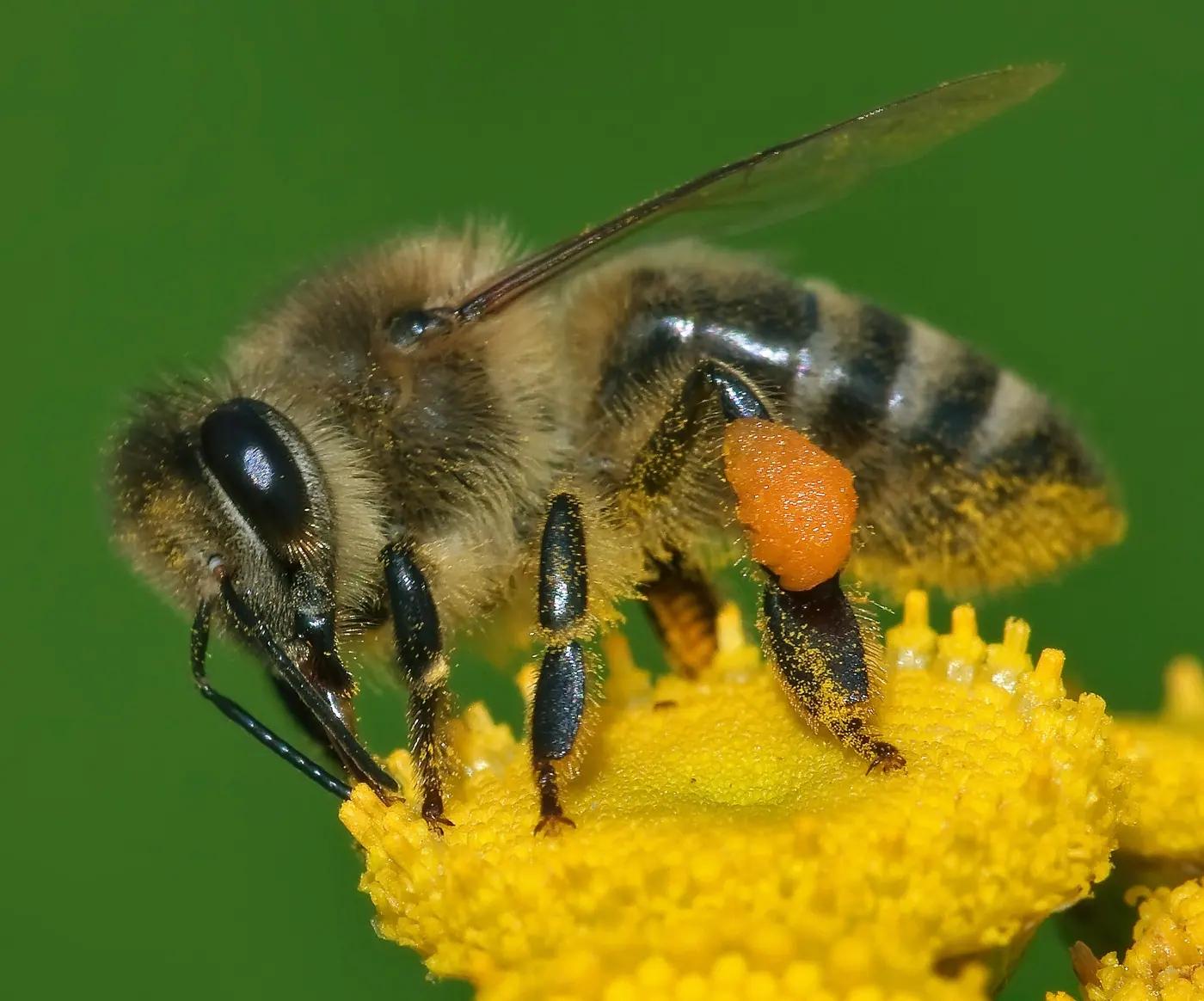
Great White SharkBarn OwlWolfElephantDolphinGorillaCrowBald EagleHoney Bee
Panduan jawaban terkait topik ini
Kalau kamu ingin perbandingan langsung dan rekomendasi yang jelas, lanjutkan ke halaman jawaban berikut.
Comparisons terkait
Lanjutkan ke halaman comparison animal-vs-animal terstruktur yang terhubung dengan spesies di panduan ini.
Dolphin vs Octopus: Which Is Smarter?
Dolphin gets the edge in social intelligence, communication, and group learning. Octopus gets the edge in solitary problem solving, manipulation, and flexible immediate adaptation. The smartest answer still depends on the task.
Dolphin vs Shark: Which Is Smarter?
Dolphin is clearly smarter in flexible cognition, communication, and social coordination. Shark remains an elite sensory hunter, but intelligence and predatory efficiency are not the same thing.
Bald Eagle vs Crowned Eagle: Who Would Win in a Fight?
Bald eagle gets the broader size and open-space verdict, while crowned eagle becomes far more dangerous in forested ambush contexts where explosive attack on agile prey matters more.
Bald Eagle vs Peregrine Falcon: Who Would Win in a Fight?
Peregrine falcon wins the speed question clearly. Bald eagle usually gets the overall edge in a direct clash because size, talon grip, and durability matter more once contact happens.
Panduan terkait

Biomimicry
Biomimicry in Animals: 35 Examples of Nature-Inspired Design
Discover 35 examples of biomimicry in animals, from shark skin and gecko feet to owl wings, elephant trunks, whale fins, spider silk, dolphins, ants, bees, and more.
28 menit baca
Capture Animals App: Identify, Collect, and Learn About Real Animals
Looking for a capture animals app? AnimalDex lets you scan real animals, identify species, collect discoveries, and build your own real-world animal collection.
24 menit baca
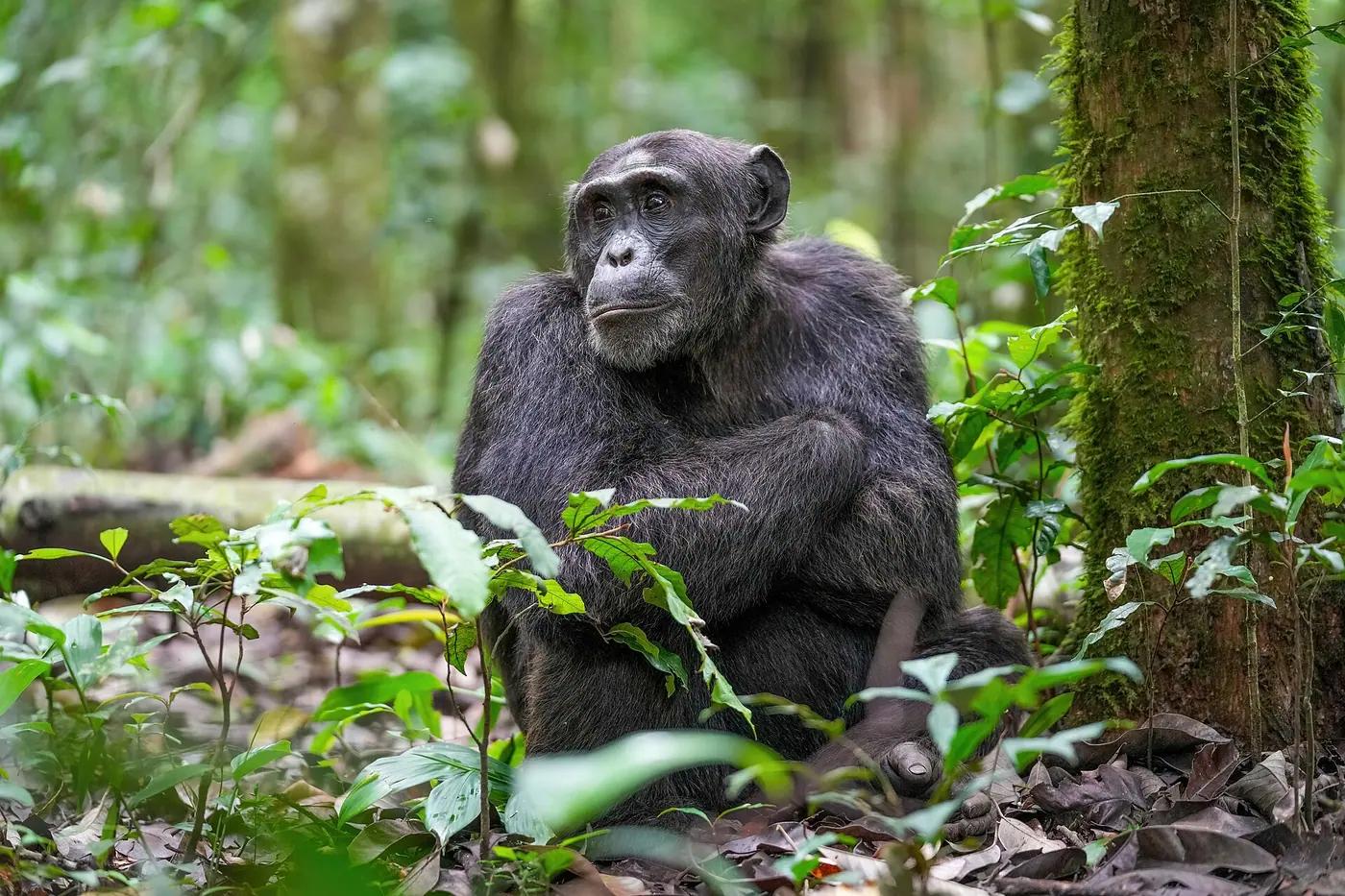
What Is the Smartest Animal? The 10 Smartest Animals
Chimpanzees and dolphins are the smartest animals after humans, with orcas, octopuses and crows close behind. The evidence, the rankings and the myths.
11 menit baca