
Panduan lapangan hewan
Dung Beetle
Identifikasi, habitat, rarity, perilaku, simbolisme, fakta, dan pelajaran praktis dari alam.
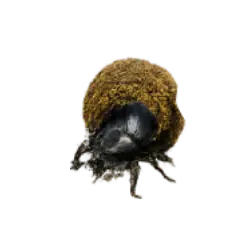
The Little Clean-Up Hero. The Dung Beetle uses strong legs to roll dung away and bury it in the soil. It teaches us that even messy work can make the world healthier and better.
Nama ilmiah
Scarabaeinae
Kategori
Insect
Habitat
Grassland, savannah, woodland, pasture, and forest with mammal activity and workable soil.
Rarity
Relatively common · 23/100
Native range
Dung beetles occur worldwide with especially high diversity in warm regions.
Renewal
Turn mess into soil.
Waste Burial
Apa yang diajarkannya
Nothing is only waste when it can be returned to the soil of growth.
Coba
A mess embarrasses you, so you turn it into something useful.
Bukti alam
Dung Beetles roll, bury, and process dung. This behavior recycles nutrients into soil, reduces waste, and supports healthier ecosystems.
Gunakan untuk
Tangkapan Dung Beetle berperingkat
1 tangkapan berperingkat dalam grup ini dari kolektor AnimalDex.
Mengapa Renewal?
Alasan di balik Prinsip Hewan ini dan biologi yang mendukungnya.
Dung beetles are nutrient-cycling insects known for rolling, burying, or tunneling dung and helping return organic material quickly to soil systems.
Cara mengidentifikasi Dung Beetle
- Compact shiny beetle body with strong digging or pushing legs
- Often seen around dung or soil disturbance sites
- Some species roll nearly spherical dung balls across open ground
Kenapa Dung Beetle menarik
- Dung beetles show how waste-processing can be one of the most important ecosystem jobs on land.
- Their orientation behavior is more sophisticated than many people expect from small beetles.
Habitat: Grassland, savannah, woodland, pasture, and forest with mammal activity and workable soil.
Native range: Dung beetles occur worldwide with especially high diversity in warm regions.
nativeRangeCardTitle
nativeRangeCardDescription
Grassland, savannah, woodland, pasture, and forest with mammal activity and workable soil.
To find Dung Beetle in the wild, focus on the exact habitat patches that match its body design and daily behavior, not just the broad country where it exists. You usually do better by working one good piece of habitat inside dung beetles occur worldwide with especially high diversity in warm regions. than by covering too much ground.
- Forest edge, canopy gaps, fruiting trees, or shaded trails where cover and food meet
- Open grassland edges, lightly wooded plains, or raised ground where you can scan long distances
- Burrow systems, sandy banks, fallen logs, or ground with clear den entrances
- Start early, pick one strong patch of habitat, and stay long enough for movement to return after you arrive.
- Work edges, clearings, fruiting trees, and stream crossings rather than walking randomly through dense cover.
- Move quietly, stop often, and give the habitat time to settle; many mammals and insects show themselves only after the first pause.
Dung is the center of the diet and reproduction strategy. The lesson is exact: what looks like mess becomes food, nursery, and soil renewal.
Birds, mammals, reptiles, ants, mites, and parasitic flies can threaten dung beetles or their brood. Burial and speed reduce the time spent exposed.
Many dung beetles are active at night or during cooler parts of the day, depending on species and climate. Their schedule follows dung freshness, heat, and competition.
Many adults live weeks to months, though timing varies by species. The short life still leaves a large ecological effect through repeated burial work.
Females lay eggs in dung balls or buried dung masses so larvae hatch into food. Reproduction is literally built from transformed waste.
Males in some species have horns or fight over dung and mates, while females focus heavily on brood provisioning. Sex differences often reflect competition and nest work.
- Buries or moves dung to feed adults and larvae
- Uses scent rapidly to find fresh organic material
- Can navigate using sun, sky cues, and landscape memory
Dung Beetle most often symbolizes renewal in AnimalDex because its real survival behavior repeatedly shows this pattern.
Nothing is only waste when it can be returned to the soil of growth.
Dung Beetles roll, bury, and process dung. This behavior recycles nutrients into soil, reduces waste, and supports healthier ecosystems.
- Watch from a crouched distance rather than stepping through active dung sites.
- Leave dung pats and surrounding soil intact if observing behavior.
- Other scarab beetles
- Dark carrion beetles
- Ground beetles near livestock areas
0/1 XP toward Level 2
statsTitle
statsDescription
statsSourceLabel: statsSourceSpeciesProfile
dominanceStat
49
speedStat
68
sizeStat
2
intelligenceStat
39
rarityStat
23%
Total
181
Size scale
Microscopic edge
Uses the canonical size stat for consistent placement

US$82 – US$170
Perkiraan rentang nilai
Kepercayaan 69%
Perkiraan nilai AnimalDex dibuat dari stat spesies kanonik.
Not a marketplace listing.
Perkiraan nilai berdasarkan hewan yang teridentifikasi dan konteks harga yang tersedia. Bukan daftar marketplace.
Seberapa langka Dung Beetle?
Rarity: Relatively common (23/100)
Many species remain common where large herbivores or livestock still provide a steady resource base.
Systems Intelligence & Hidden Purpose
Sudut pandang systems biology untuk melihat bagaimana spesies ini dibangun, peran apa yang dijalankannya di ekosistem, dan pelajaran praktis apa yang bisa dipetik manusia.
System Role
The Waste Logistics Engineer
Dung Beetle
Specialized Hardware
Compact pushing strength, scent tracking, and ball-rolling behavior make dung beetles nutrient-transfer hardware for grasslands and forests.
Systems Script
Dung beetles bury waste, suppress parasites, and move fertility back into the soil. They perform janitorial work that every productive ecosystem quietly depends on.
Strategic Insight
Systems improve when someone handles the unglamorous throughput everyone else would rather ignore.
Public Animal Power
Explore this Animal Power
This is a public capture, so you can explore its Animal Power here. Personal Apex matches and challenges use your Wild Profile and animals you own.
Own an animal with this power to use it in Growth challenges.
Comparison hearts ready
3 of 3 hearts remaining. Each loss removes 1 heart.
✦ Available actions
Compare this public animal when your deck meets the current rules.
⚡CompareUnavailable›Hewan terkait
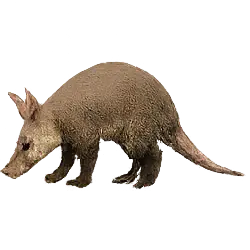
Aardvark
The aardvark is a nocturnal African mammal known for its long snout, strong digging…
Baca panduan spesies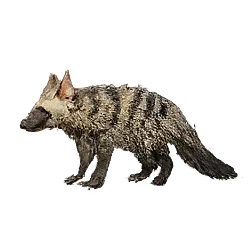
Aardwolf
The aardwolf is a small striped relative of hyenas that feeds mainly on termites rather…
Baca panduan spesies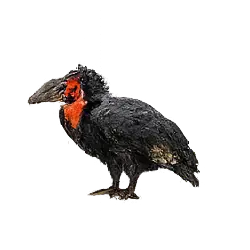
Abyssinian Ground Hornbill
Abyssinian Ground Hornbill is a bird known for bare red facial skin, huge…
Baca panduan spesiesLebih banyak hewan dengan kekuatan Cleanup Work
Jelajahi semua hewan Cleanup Work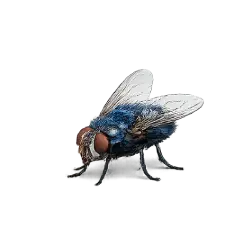
Bluebottle Fly
Bluebottle Fly's power is Decay Cleanup: rapid detection of decay and larval recycling…
Baca panduan spesies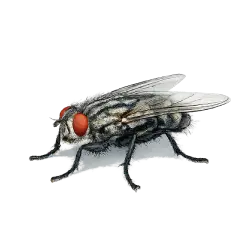
Common Flesh Fly
Common Flesh Flies are small but important cleanup insects. Their gray-striped bodies,…
Baca panduan spesies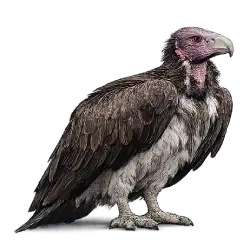
Lappet-faced Vulture
Lappet-faced Vulture is a bird known for huge bald head, dangling neck lappets, and…
Baca panduan spesiesBawa ensiklopedia ke dunia nyata
AnimalDex membantumu memindai hewan nyata, mengidentifikasi spesies, mengoleksi kartu, dan belajar dari alam di mana pun kamu berada.
Muncul di tier list
Lihat posisi spesies ini di halaman tier list AnimalDex yang dibangun dengan perbandingan terstruktur dan metodologi yang jelas.
#9 · Culture
Most Sacred Animals in History: Top 100 Tier List
Dung beetle makes the list because scarab symbolism gave beetle forms one of history's most durable sacred insect identities.
Baca tier list