
Panduan lapangan hewan
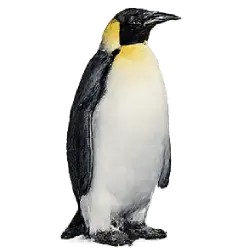
Emperor Penguin
Identifikasi, habitat, rarity, perilaku, simbolisme, fakta, dan pelajaran praktis dari alam.
Kartu AnimalDex
Buka kartu hewan ini
Pindai atau tangkap hewan ini dengan AnimalDex untuk membuka kartu koleksi dan menambahkannya ke koleksi satwa liarmu.
Dapatkan AnimalDexPanduan lapangan hewan
Emperor Penguin
Huddled Warmth
Hold the huddle.
Warmth becomes possible when the circle keeps moving for everyone.
No captures yet
Native range
Natural range, not this capture location
Antarctic sea ice, coastal ice shelves, and nearby cold marine feeding zones.
Search near meAnimalDex stats
Dominance
58
Speed
42
Size
42
Intelligence
44
Rarity
82%
Total
268
Size scale
Nama ilmiah
Aptenodytes forsteri
Kategori
Bird
Habitat
Antarctic sea ice, coastal ice shelves, and nearby cold marine feeding zones.
Rarity
Rare · 82/100
Native range
Circumpolar Antarctica.
Mengapa Huddled Warmth?
Alasan di balik Prinsip Hewan ini dan biologi yang mendukungnya.
The emperor penguin is the largest penguin species, built for deep cold-water diving, severe Antarctic weather, and tightly coordinated breeding colonies on sea ice.
Cara mengidentifikasi Emperor Penguin
- Tall black-and-white body with yellow-orange ear patches
- Heavy chest and thick neck on an upright penguin silhouette
- Waddling gait on ice and efficient torpedo-like swimming in water
Kenapa Emperor Penguin menarik
- Emperor penguins are textbook examples of group thermoregulation at work.
- Their breeding cycle is tied to one of the harshest seasonal windows used by any bird.
Habitat: Antarctic sea ice, coastal ice shelves, and nearby cold marine feeding zones.
Native range: Circumpolar Antarctica.
nativeRangeCardTitle
nativeRangeCardDescription
Antarctic sea ice, coastal ice shelves, and nearby cold marine feeding zones.
To find Emperor Penguin in the wild, focus on the exact habitat patches that match its body design and daily behavior, not just the broad country where it exists. You usually do better by working one good piece of habitat inside circumpolar Antarctica. than by covering too much ground.
- Headlands, reef edges, island colonies, tidal channels, or productive coastal water
- Protected habitat blocks within circumpolar Antarctica.
- First light and late afternoon are often best, when animals come out to feed along the edge of water.
- Time your search around tide, wind, and visibility, then focus on feeding lines, reef edges, and known haul-out or nesting spots.
- Use sound, flight lines, and perch trees as clues; birds often reveal themselves before they sit in the open.
They eat fish, krill, and squid, diving under sea ice to hunt. The diet supports the principle because every feeding trip powers the chick and partner waiting inside a cold shared system.
They rest and breed in cycles shaped by darkness, storms, fasting, and feeding trips. The rhythm is the lesson: warmth is not static; it moves through the huddle over time.
Often around 15 to 20 years in the wild, sometimes longer. The lifespan why is endurance through repetition: each year asks the bird to trust the group again.
Females lay a single egg, then males incubate while females return to sea to feed; both parents later care for the chick. Offspring are literally held above ice by shared sacrifice.
Sexes look similar, though males are often slightly heavier before incubation. The principle is partnership more than display: warmth survives because roles pass between bodies.
- Forms dense huddles to reduce heat loss in extreme wind and cold
- Makes long foraging dives for fish, squid, and krill
- Balances a single egg on the feet during winter breeding
Emperor Penguin most often symbolizes huddled warmth in AnimalDex because its real survival behavior repeatedly shows this pattern.
Warmth becomes possible when the circle keeps moving for everyone.
Emperor Penguins survive Antarctic breeding conditions by forming dense huddles that rotate individuals between the colder outside and warmer center.
- Follow strict polar tourism and research distances around colonies.
- Avoid obstructing movement lines between colony edge and sea access.
- King penguin
- Large penguin silhouette in heavy weather
- Grouped seabirds on ice at distance
Hewan terkait
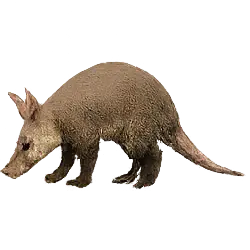
Aardvark
The aardvark is a nocturnal African mammal known for its long snout, strong digging…
Baca panduan spesies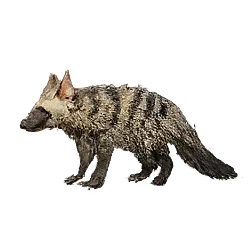
Aardwolf
The aardwolf is a small striped relative of hyenas that feeds mainly on termites rather…
Baca panduan spesies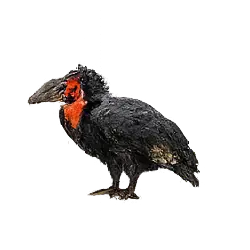
Abyssinian Ground Hornbill
Abyssinian Ground Hornbill is a bird known for bare red facial skin, huge…
Baca panduan spesiesLebih banyak hewan dengan kekuatan Endurance
Jelajahi semua hewan Endurance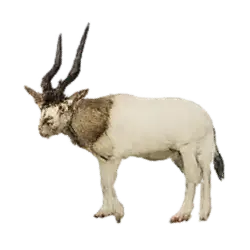
Addax
Addax is a mammal known for pale desert coat, wide spreading hooves, and slow-energy…
Baca panduan spesies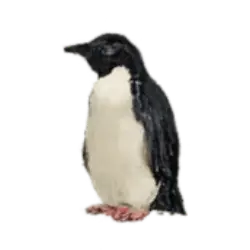
Adelie Penguin
Adelie Penguin is a bird known for classic black-and-white body, ice-edge breeding…
Baca panduan spesies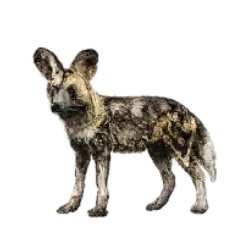
African Wild Dog
The African wild dog is a highly social carnivore with distinctive patchy coat patterns…
Baca panduan spesiesBawa ensiklopedia ke dunia nyata
AnimalDex membantumu memindai hewan nyata, mengidentifikasi spesies, mengoleksi kartu, dan belajar dari alam di mana pun kamu berada.
Panduan blog terkait
Lanjutkan belajar lewat artikel praktis yang terhubung dengan spesies ini.
Biomimicry in Animals: 35 Examples of Nature-Inspired Design
Discover 35 examples of biomimicry in animals, from shark skin and gecko feet to owl wings, elephant trunks, whale fins, spider silk, dolphins, ants, bees, and more.
Baca artikel blog