
Panduan lapangan hewan
Fennec Fox
Identifikasi, habitat, rarity, perilaku, simbolisme, fakta, dan pelajaran praktis dari alam.
The Big-Ear Desert Scout. The Fennec Fox uses giant ears to hear tiny sounds underground and to cool its body in the desert heat. It shows us that good listening can become a superpower when life is hard.
Nama ilmiah
Vulpes zerda
Kategori
Mammal
Habitat
Sand desert, dune fields, and arid scrub with burrow sites.
Rarity
Relatively common · 48/100
Native range
North African deserts and adjacent arid regions.
Listening
Hear the sand.
Heat-Shedding Desert Ears
Apa yang diajarkannya
Survival begins by hearing what the heat tries to hide.
Coba
Your partner seems distant, so you notice the quiet signals first.
Bukti alam
Fennec Foxes have very large ears that help detect prey sounds underground and dissipate heat, supporting survival in desert environments.
Gunakan untuk
Tangkapan Fennec Fox berperingkat
1 tangkapan berperingkat dalam grup ini dari kolektor AnimalDex.
SkibidiABG
@skibidiabgZoo · SBS Aesthetic Clinical Sanctuary · P. Hà Đông, Thành Phố Hà Nội, Việt Nam
Skor 0
Mengapa Listening?
Alasan di balik Prinsip Hewan ini dan biologi yang mendukungnya.
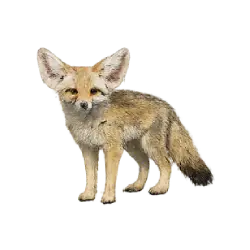
The fennec fox is a tiny desert canid with oversized ears, excellent heat management, and nocturnal hunting behavior tuned to dry sandy landscapes.
Cara mengidentifikasi Fennec Fox
- Very large ears relative to a small pale fox body
- Creamy sand-colored coat and dark eyes
- Light-footed movement over dunes and sparse scrub
Kenapa Fennec Fox menarik
- Fennecs are compact examples of desert design built around heat and hearing.
- Their silhouette is immediately recognizable even for non-specialists.
Habitat: Sand desert, dune fields, and arid scrub with burrow sites.
Native range: North African deserts and adjacent arid regions.
nativeRangeCardTitle
nativeRangeCardDescription
Sand desert, dune fields, and arid scrub with burrow sites.
To find Fennec Fox in the wild, focus on the exact habitat patches that match its body design and daily behavior, not just the broad country where it exists. You usually do better by working one good piece of habitat inside north African deserts and adjacent arid regions. than by covering too much ground.
- Water sources, dune bases, rocky wadis, or shaded scrub at first and last light
- Protected habitat blocks within north African deserts and adjacent arid regions.
- Go at dusk or after dark, move slowly, and listen before using a light or stepping into cover.
- Check shaded cover, water points, and cooler hours, because many dry-country animals avoid peak heat.
- Slow down and scan shapes, outlines, and eye-level silhouettes; many good sightings come from noticing what does not move.
Fennec Foxes are nocturnal, resting in burrows by day and hunting in cooler darkness. Their rhythm lets listening replace wasted movement.
Fennec Foxes can live several years in the wild and longer under care. In a desert life, each year depends on saving water, avoiding heat, and listening before wasting energy.
Females give birth in burrows, where pups are protected from heat and predators. Offspring make the burrow more than a shelter; it becomes the first listening room.
Males and females look similar, though males may help defend territory and support the family. The Listening lesson belongs to both sexes because the ears define survival.
- Listens for prey movement beneath sand using oversized ears
- Avoids heat by staying in burrows through the day
- Feeds opportunistically on insects, rodents, and fruit
Fennec Fox most often symbolizes listening in AnimalDex because its real survival behavior repeatedly shows this pattern.
Survival begins by hearing what the heat tries to hide.
Fennec Foxes have very large ears that help detect prey sounds underground and dissipate heat, supporting survival in desert environments.
- Use low light and slow movement during night observation.
- Avoid stepping on burrow systems in soft dune habitat.
0/1 XP toward Level 2
statsTitle
statsDescription
statsSourceLabel: statsSourceSpeciesProfile
dominanceStat
38
speedStat
55
sizeStat
12
intelligenceStat
48
rarityStat
48%
Total
201
Size scale
Small
Uses the canonical size stat for consistent placement






US$122 – US$254
Perkiraan rentang nilai
Kepercayaan 69%
Perkiraan nilai AnimalDex dibuat dari stat spesies kanonik.
Not a marketplace listing.
Perkiraan nilai berdasarkan hewan yang teridentifikasi dan konteks harga yang tersedia. Bukan daftar marketplace.
Seberapa langka Fennec Fox?
Rarity: Relatively common (48/100)
The species remains widespread across desert systems but is patchy and not easy to detect because of nocturnal habits.
Systems Intelligence & Hidden Purpose
Sudut pandang systems biology untuk melihat bagaimana spesies ini dibangun, peran apa yang dijalankannya di ekosistem, dan pelajaran praktis apa yang bisa dipetik manusia.
System Role
The Desert Listening Post
Fennec Fox
Specialized Hardware
Oversized ears, sand-ready feet, and heat-dumping body proportions make the fennec fox sensory hardware for dry low-cover hunting.
Systems Script
Fennecs convert small nighttime signals into survival in habitats with little margin for wasted motion. They show how desert systems reward detection and cooling more than brute power.
Strategic Insight
In harsh environments, the best upgrade is often better sensing, not more force.
Public Animal Power
Explore this Animal Power
This is a public capture, so you can explore its Animal Power here. Personal Apex matches and challenges use your Wild Profile and animals you own.
Own an animal with this power to use it in Growth challenges.
Comparison hearts ready
3 of 3 hearts remaining. Each loss removes 1 heart.
✦ Available actions
Compare this public animal when your deck meets the current rules.
⚡CompareUnavailable›Hewan terkait
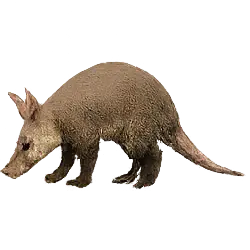
Aardvark
The aardvark is a nocturnal African mammal known for its long snout, strong digging…
Baca panduan spesies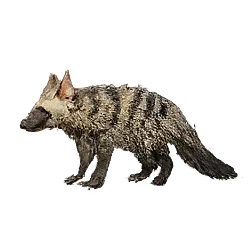
Aardwolf
The aardwolf is a small striped relative of hyenas that feeds mainly on termites rather…
Baca panduan spesies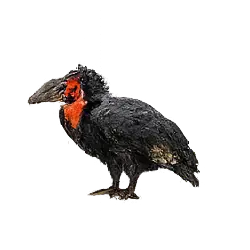
Abyssinian Ground Hornbill
Abyssinian Ground Hornbill is a bird known for bare red facial skin, huge…
Baca panduan spesiesLebih banyak hewan dengan kekuatan Clear Signals
Jelajahi semua hewan Clear Signals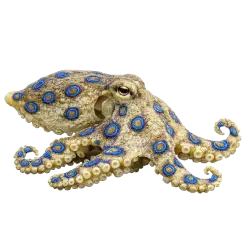
Blue-ringed Octopus
Blue-ringed Octopus is a marine animal known for tiny body with flashing blue rings,…
Baca panduan spesies
Blue-tongued Skink
The blue-tongued skink is a stout lizard known for smooth scales, a bright blue tongue,…
Baca panduan spesies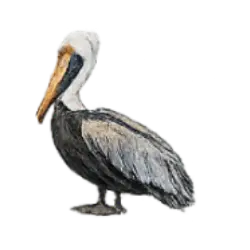
Brown Pelican
The brown pelican is a coastal seabird famous for plunge-diving into water to catch…
Baca panduan spesiesBawa ensiklopedia ke dunia nyata
AnimalDex membantumu memindai hewan nyata, mengidentifikasi spesies, mengoleksi kartu, dan belajar dari alam di mana pun kamu berada.