
Panduan lapangan hewan
Giant Burrowing Mayfly
Identifikasi, habitat, rarity, perilaku, simbolisme, fakta, dan pelajaran praktis dari alam.
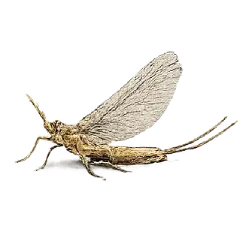
Giant Burrowing Mayfly teaches Ephemerality through a life that waits underwater for a brief skyward dance. Burrowing nymphs, synchronized emergence, fragile wings, and short adult life show that a moment can matter because preparation was long.
Kartu AnimalDex
Buka kartu hewan ini
Pindai atau tangkap hewan ini dengan AnimalDex untuk membuka kartu koleksi dan menambahkannya ke koleksi satwa liarmu.
Dapatkan AnimalDexNama ilmiah
Hexagenia limbata
Kategori
Animal
Habitat
Large rivers, lakes, silty bottoms, mud burrows, and clean oxygenated freshwater fit Giant Burrowing Mayflies because most of the life is spent hidden below the surface.
Rarity
Relatively common · 39/100
Native range
Large rivers, lakes, silty bottoms, mud burrows, and clean oxygenated freshwater fit Giant Burrowing Mayflies because most of the life is spent hidden below the surface.
Ephemerality
Dance while risen.
One-Night River Emergence
Apa yang diajarkannya
A brief life can still spend itself completely in the dance it was made for.
Coba
A rare opportunity appears, so you stop postponing and show up fully.
Bukti alam
Giant Burrowing Mayflies spend much of life as aquatic burrowing nymphs, then emerge in synchronized adult swarms with very short-lived winged reproductive stages above rivers and lakes.
Gunakan untuk
Tangkapan Giant Burrowing Mayfly berperingkat
Belum ada tangkapan komunitas berperingkat untuk spesies ini.
Mengapa Ephemerality?
Alasan di balik Prinsip Hewan ini dan biologi yang mendukungnya.
Giant Burrowing Mayfly teaches Ephemerality through a life that waits underwater for a brief skyward dance. Burrowing nymphs, synchronized emergence, fragile wings, and short adult life show that a moment can matter because preparation was long.
Cara mengidentifikasi Giant Burrowing Mayfly
- Burrowing nymphs: most of life is spent hidden in river or lake sediment.
- Synchronized emergence: many adults rise together in a brief reproductive pulse.
- Non-feeding adult stage: the winged body is built for mating, not maintenance.
Kenapa Giant Burrowing Mayfly menarik
- Mayflies are famous for very short adult lives.
- Their aquatic nymphs can be important food for fish.
- Mass emergences can be so large they show up around lights, bridges, and shorelines.
Habitat: Large rivers, lakes, silty bottoms, mud burrows, and clean oxygenated freshwater fit Giant Burrowing Mayflies because most of the life is spent hidden below the surface.
Native range: Large rivers, lakes, silty bottoms, mud burrows, and clean oxygenated freshwater fit Giant Burrowing Mayflies because most of the life is spent hidden below the surface.
To find Giant Burrowing Mayfly in the wild, focus on the exact habitat patches that match its body design and daily behavior, not just the broad country where it exists. You usually do better by working one good piece of habitat inside large rivers, lakes, silty bottoms, mud burrows, and clean oxygenated freshwater fit Giant Burrowing Mayflies because most of the life is spent hidden below the surface. than by covering too much ground.
- Quiet marsh edges, reedbeds, river bends, or shallow wetland margins
- Burrow systems, sandy banks, fallen logs, or ground with clear den entrances
- Protected habitat blocks within large rivers, lakes, silty bottoms, mud burrows, and clean oxygenated freshwater fit Giant Burrowing Mayflies because most of the life is spent hidden below the surface.
- First light and late afternoon are often best, when animals come out to feed along the edge of water.
- Watch the transition line between open water and cover, because feeding and movement often happen on that edge.
- Move quietly, stop often, and give the habitat time to settle; many mammals and insects show themselves only after the first pause.
Nymphs feed on fine organic matter and algae in sediment, while adults usually do not feed. The diet supports Ephemerality because the winged stage exists for reproduction, not maintenance.
Fish, birds, bats, spiders, dragonflies, and aquatic predators consume mayflies at every stage. Synchronized emergence overwhelms predators by turning timing into protection.
Adults often emerge in evening or night swarms and live briefly, while nymphs spend months or longer underwater. Their rhythm is patience below, urgency above.
Giant Burrowing Mayflies may spend many months to a few years as aquatic nymphs, while adults often live only hours to days. That contrast is the heart of Ephemerality: long hidden preparation, brief visible purpose.
Females release or deposit eggs back into water after mating, returning the next generation to the sediment world. Offspring begin where the adult dance ends.
Males often form mating swarms and may have enlarged eyes or mating adaptations, while females carry eggs. The difference exists to complete the short adult mission quickly.
- Burrowing nymphs: most of life is spent hidden in river or lake sediment.
- Synchronized emergence: many adults rise together in a brief reproductive pulse.
- Non-feeding adult stage: the winged body is built for mating, not maintenance.
Giant Burrowing Mayfly most often symbolizes ephemerality in AnimalDex because its real survival behavior repeatedly shows this pattern.
A brief life can still spend itself completely in the dance it was made for.
Giant Burrowing Mayflies spend much of life as aquatic burrowing nymphs, then emerge in synchronized adult swarms with very short-lived winged reproductive stages above rivers and lakes.
- Observe from a respectful distance and avoid changing the animal's behavior.
- Do not block feeding, shelter, nesting, or travel routes.
- Use a live camera capture without handling or staging wildlife.
statsTitle
statsDescription
statsSourceLabel: statsSourceSpeciesProfile
dominanceStat
2
speedStat
37
sizeStat
1
intelligenceStat
1
rarityStat
39%
Total
80
Size scale
Microscopic edge
Uses the canonical size stat for consistent placement


US$39 – US$81
Perkiraan rentang nilai
Kepercayaan 69%
Perkiraan nilai AnimalDex dibuat dari stat spesies kanonik.
Not a marketplace listing.
Perkiraan nilai berdasarkan hewan yang teridentifikasi dan konteks harga yang tersedia. Bukan daftar marketplace.
Seberapa langka Giant Burrowing Mayfly?
Rarity: Relatively common (39/100)
AnimalDex canonical rarity score: 39/100, maintained by the live indexed species profile.
Public Animal Power
Explore this Animal Power
This is a public capture, so you can explore its Animal Power here. Personal Apex matches and challenges use your Wild Profile and animals you own.
Own an animal with this power to use it in Growth challenges.
Hewan terkait

Giant Burrowing Mayfly
Giant Burrowing Mayfly is a insect known for sail-like upright wings, long tail…
Baca panduan spesies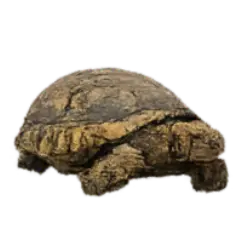
Aldabra Giant Tortoise
Aldabra Giant Tortoise is a reptile known for immense domed shell, very long lifespan,…
Baca panduan spesies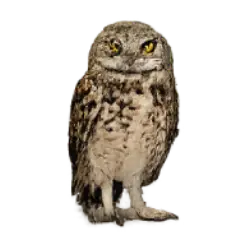
Burrowing Owl
Burrowing Owl is a bird of prey known for long-legged owl body, ground-dwelling burrow…
Baca panduan spesiesLebih banyak hewan dengan kekuatan Patience
Jelajahi semua hewan Patience
Adelie Penguin
Adelie Penguin is a bird known for classic black-and-white body, ice-edge breeding…
Baca panduan spesies
African Bullfrog
African Bullfrog is a amphibian known for huge frog body, powerful bite, and burrowing…
Baca panduan spesies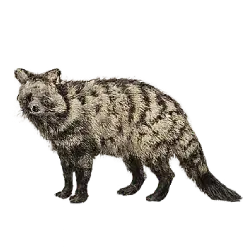
African Civet
African Civet is a mammal known for bold black-and-white pattern, night-active…
Baca panduan spesiesBawa ensiklopedia ke dunia nyata
AnimalDex membantumu memindai hewan nyata, mengidentifikasi spesies, mengoleksi kartu, dan belajar dari alam di mana pun kamu berada.