
Panduan lapangan hewan
Burrowing Owl
Identifikasi, habitat, rarity, perilaku, simbolisme, fakta, dan pelajaran praktis dari alam.
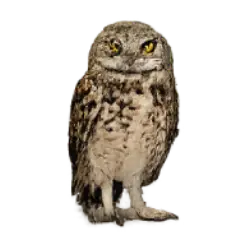
Kartu AnimalDex
Buka kartu hewan ini
Pindai atau tangkap hewan ini dengan AnimalDex untuk membuka kartu koleksi dan menambahkannya ke koleksi satwa liarmu.
Dapatkan AnimalDexPanduan lapangan hewan
Burrowing Owl
Grounded Watch
Watch from the hole.
Home can be below the earth while the eyes stay wide on the horizon.
No captures yet
Native range
Location unknown
AnimalDex does not have a mapped native range region for this profile yet.
AnimalDex stats
Dominance
48
Speed
58
Size
18
Intelligence
48
Rarity
55%
Total
227
Size scale
Nama ilmiah
Athene cunicularia
Kategori
Bird of prey
Habitat
grassland, prairie, desert edge, and open scrub
Rarity
Uncommon · 55/100
Native range
the Americas in open dry-country habitats
Mengapa Grounded Watch?
Alasan di balik Prinsip Hewan ini dan biologi yang mendukungnya.
Burrowing Owl is a bird of prey known for long-legged owl body, ground-dwelling burrow life, and daylight hunting in open country.
Cara mengidentifikasi Burrowing Owl
- long-legged owl body
- ground-dwelling burrow life
- daylight hunting in open country
- Often associated with grassland, prairie, desert edge, and open scrub
Kenapa Burrowing Owl menarik
- Burrowing Owl is a useful example of how anatomy and habitat fit together as one survival system.
- Its shape, movement style, and food strategy make it easy to compare with related animals.
- This species turns one page into a lesson about adaptation, ecosystem role, and identification.
Habitat: grassland, prairie, desert edge, and open scrub
Native range: the Americas in open dry-country habitats
To find Burrowing Owl in the wild, focus on the exact habitat patches that match its body design and daily behavior, not just the broad country where it exists. You usually do better by working one good piece of habitat inside the Americas in open dry-country habitats than by covering too much ground.
- Open grassland edges, lightly wooded plains, or raised ground where you can scan long distances
- Water sources, dune bases, rocky wadis, or shaded scrub at first and last light
- Burrow systems, sandy banks, fallen logs, or ground with clear den entrances
- Start early, pick one strong patch of habitat, and stay long enough for movement to return after you arrive.
- Use binoculars from a track, ridge, or vehicle stop and scan far ahead before you move closer.
- Slow down and scan shapes, outlines, and eye-level silhouettes; many good sightings come from noticing what does not move.
Insects, beetles, grasshoppers, mice, lizards, small snakes, and birds support the lesson because the owl works from a grounded base rather than a hidden tree cavity.
Diurnal and crepuscular, also active at night; its schedule is flexible because open-ground danger and prey change through the day.
Often 6 to 10 years in the wild if conditions are good; the lesson repeats through burrow reuse, pair bonds, and open-country vigilance.
Females lay eggs underground, and chicks grow at the burrow mouth where watching and hiding are learned together.
Sexes are similar, though females may appear darker during nesting wear; both share the same grounded sentry design.
- Burrowing Owl adjusts movement and feeding to match light, temperature, and food access in its habitat.
- Body design, timing, and shelter choices all help this species stay effective in the wild.
- Patient observation usually reveals more behavior than close approach or fast movement.
Burrowing Owl most often symbolizes grounded watch in AnimalDex because its real survival behavior repeatedly shows this pattern.
Home can be below the earth while the eyes stay wide on the horizon.
Burrowing Owls live in open habitats and use underground burrows, often made by other animals. They stand near burrow entrances on long legs and scan for predators or prey.
- Keep distance and let the animal choose the space.
- Avoid blocking movement routes, nesting areas, or feeding behavior.
- Use optics, patience, and quiet observation instead of crowding for a closer view.
- Regional relatives may look similar at a distance.
- Juveniles, adults, and seasonal forms can differ in color or size.
- Light, angle, and habitat context can change how field marks appear.
Hewan terkait
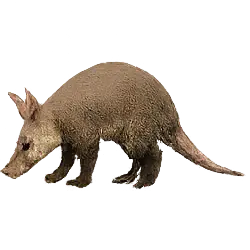
Aardvark
The aardvark is a nocturnal African mammal known for its long snout, strong digging…
Baca panduan spesies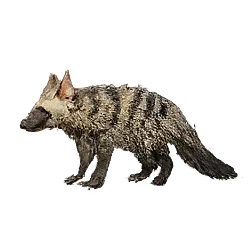
Aardwolf
The aardwolf is a small striped relative of hyenas that feeds mainly on termites rather…
Baca panduan spesies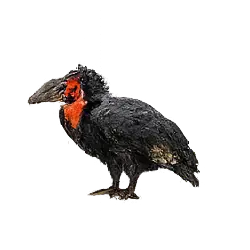
Abyssinian Ground Hornbill
Abyssinian Ground Hornbill is a bird known for bare red facial skin, huge…
Baca panduan spesiesLebih banyak hewan dengan kekuatan Defense
Jelajahi semua hewan Defense
Ackie Monitor
Ackie Monitor is a reptile known for spiny defensive tail, compact muscular monitor…
Baca panduan spesies
African Pygmy Hedgehog
African Pygmy Hedgehog teaches Spined Night Foraging through a small nocturnal body…
Baca panduan spesies
American Badger
American Badger turns Burrow Strategy into muscular problem-solving, using claws,…
Baca panduan spesiesBawa ensiklopedia ke dunia nyata
AnimalDex membantumu memindai hewan nyata, mengidentifikasi spesies, mengoleksi kartu, dan belajar dari alam di mana pun kamu berada.