
Panduan lapangan hewan
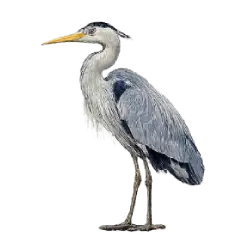
Great Blue Heron
Identifikasi, habitat, rarity, perilaku, simbolisme, fakta, dan pelajaran praktis dari alam.
The Still Water Spear. The Great Blue Heron uses long legs to stand in the shallows and a sharp beak to strike fish in one fast move. It shows us that patient waiting can make one moment count more.
Kartu AnimalDex
Buka kartu hewan ini
Pindai atau tangkap hewan ini dengan AnimalDex untuk membuka kartu koleksi dan menambahkannya ke koleksi satwa liarmu.
Dapatkan AnimalDexNama ilmiah
Ardea herodias
Kategori
Bird
Habitat
Marsh, lake edge, river shallows, tidal flats, and artificial ponds or canals.
Rarity
Relatively common · 35/100
Native range
North and Central America, parts of the Caribbean, and northern South America.
Poise
Stand until strike.
Still-Water Spear Strike
Apa yang diajarkannya
One clean strike is born from a long quiet body.
Coba
You are about to speak, so you wait until the room is actually listening.
Bukti alam
Great Blue Herons stand motionless in shallow water, then strike quickly with long necks and sharp bills to catch fish and other aquatic prey.
Gunakan untuk
Tangkapan Great Blue Heron berperingkat
Belum ada tangkapan komunitas berperingkat untuk spesies ini.
Mengapa Poise?
Alasan di balik Prinsip Hewan ini dan biologi yang mendukungnya.
The great blue heron is a tall wading bird built for patient stalking, long-necked strike feeding, and flexible use of wetlands, shores, and urban waterways.
Cara mengidentifikasi Great Blue Heron
- Tall grey-blue body with long neck and dagger bill
- Slow deliberate stalking posture in shallow water
- Broad rounded wings and tucked-neck flight silhouette
Kenapa Great Blue Heron menarik
- Herons are excellent examples of patience turning into very efficient prey capture.
- Their large size makes wetland hunting behavior easy to study.
Habitat: Marsh, lake edge, river shallows, tidal flats, and artificial ponds or canals.
Native range: North and Central America, parts of the Caribbean, and northern South America.
nativeRangeCardTitle
nativeRangeCardDescription
Marsh, lake edge, river shallows, tidal flats, and artificial ponds or canals.
To find Great Blue Heron in the wild, focus on the exact habitat patches that match its body design and daily behavior, not just the broad country where it exists. You usually do better by working one good piece of habitat inside north and Central America, parts of the Caribbean, and northern South America. than by covering too much ground.
- Quiet marsh edges, reedbeds, river bends, or shallow wetland margins
- Protected habitat blocks within north and Central America, parts of the Caribbean, and northern South America.
- First light and late afternoon are often best, when animals come out to feed along the edge of water.
- Watch the transition line between open water and cover, because feeding and movement often happen on that edge.
- Use sound, flight lines, and perch trees as clues; birds often reveal themselves before they sit in the open.
Fish, frogs, crayfish, insects, snakes, small mammals, and birds support Poise because the heron must read different prey movements without wasting motion.
Great Blue Herons are mostly diurnal, hunting slowly through daylight and sometimes at dusk. Their rhythm turns long quiet hours into sudden precision.
Great Blue Herons can live for many years when wetlands and nesting trees remain safe. Poise improves with practiced knowledge of tides, shallows, prey movement, and striking distance.
Females lay eggs in large stick nests, often in colonies, and both parents feed chicks by regurgitation. Offspring make poise practical because every clean strike becomes fuel for tall hungry young.
Males and females look similar, though males are often slightly larger. The Poise lesson comes from shared body geometry: legs, neck, bill, and stillness.
- Waits almost motionless before a quick spear-like strike
- Feeds on fish, frogs, crustaceans, and small vertebrates
- Nests in tree colonies or on secluded wetland platforms
Great Blue Heron most often symbolizes poise in AnimalDex because its real survival behavior repeatedly shows this pattern.
One clean strike is born from a long quiet body.
Great Blue Herons stand motionless in shallow water, then strike quickly with long necks and sharp bills to catch fish and other aquatic prey.
- Stay back from feeding shallows and let the bird resume its own rhythm.
- Do not approach heronries during breeding season.
- Grey heron
- Great egret
- Cranes in low light
statsTitle
statsDescription
statsSourceLabel: statsSourceSpeciesProfile
dominanceStat
64
speedStat
45
sizeStat
33
intelligenceStat
38
rarityStat
35%
Total
215
Size scale
Medium
Uses the canonical size stat for consistent placement

US$143 – US$297
Perkiraan rentang nilai
Kepercayaan 69%
Perkiraan nilai AnimalDex dibuat dari stat spesies kanonik.
Not a marketplace listing.
Perkiraan nilai berdasarkan hewan yang teridentifikasi dan konteks harga yang tersedia. Bukan daftar marketplace.
Seberapa langka Great Blue Heron?
Rarity: Relatively common (35/100)
The species is often common where wetland feeding habitat remains available and disturbance is moderate.
Systems Intelligence & Hidden Purpose
Sudut pandang systems biology untuk melihat bagaimana spesies ini dibangun, peran apa yang dijalankannya di ekosistem, dan pelajaran praktis apa yang bisa dipetik manusia.
System Role
The Wetland Spear Platform
Great Blue Heron
Specialized Hardware
Long legs, telescoping neck mechanics, and a stabbing bill make herons patient interception hardware for shallow water prey.
Systems Script
Herons regulate fish, frogs, and small aquatic animals while mapping wetland productivity in plain sight. They turn still water into an arena of timed precision rather than random waiting.
Strategic Insight
Stillness is useful when it shortens the distance between signal and strike.
Public Animal Power
Explore this Animal Power
This is a public capture, so you can explore its Animal Power here. Personal Apex matches and challenges use your Wild Profile and animals you own.
Own an animal with this power to use it in Growth challenges.
Hewan terkait
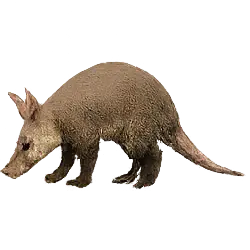
Aardvark
The aardvark is a nocturnal African mammal known for its long snout, strong digging…
Baca panduan spesies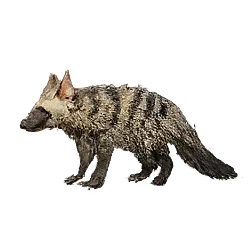
Aardwolf
The aardwolf is a small striped relative of hyenas that feeds mainly on termites rather…
Baca panduan spesies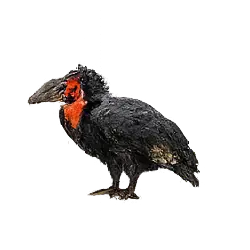
Abyssinian Ground Hornbill
Abyssinian Ground Hornbill is a bird known for bare red facial skin, huge…
Baca panduan spesiesLebih banyak hewan dengan kekuatan Clean Action
Jelajahi semua hewan Clean Action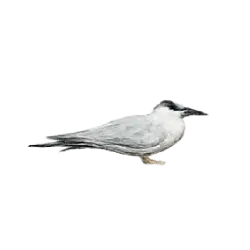
Black-naped Tern
Black-naped Tern is a bird known for clean white seabird body, thin black eye stripe,…
Baca panduan spesies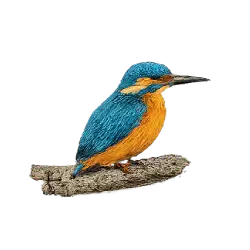
Common Kingfisher
The common kingfisher is a small bright river bird built for perch hunting, rapid…
Baca panduan spesies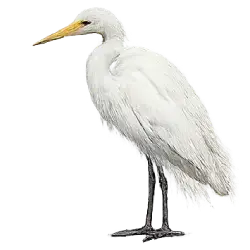
Great Egret
Great Egret is a bird known for tall white wading body, slow stalking hunt, and…
Baca panduan spesiesBawa ensiklopedia ke dunia nyata
AnimalDex membantumu memindai hewan nyata, mengidentifikasi spesies, mengoleksi kartu, dan belajar dari alam di mana pun kamu berada.
Comparisons terkait
Lihat bagaimana spesies ini tampil di halaman perbandingan AnimalDex yang terstruktur.
Shoebill vs Great Blue Heron: Which Wetland Hunter Has the Edge?
Shoebill usually has the edge because it is heavier, more imposing, and built for a more forceful strike package. Great blue heron is still the cleaner light-frame specialist in shallower, more delicate hunting situations.
Baca halaman comparisonMuncul di tier list
Lihat posisi spesies ini di halaman tier list AnimalDex yang dibangun dengan perbandingan terstruktur dan metodologi yang jelas.
#10 · Eyesight
Animals with the Best Eyesight: Top 100 Tier List
Great blue heron stays relevant because patient visual targeting is central to how it hunts.
Baca tier list