
Panduan lapangan hewan
Great White Shark
Identifikasi, habitat, rarity, perilaku, simbolisme, fakta, dan pelajaran praktis dari alam.
The Apex Signal Fin. The Great White Shark is recognized before it arrives. It shows that a single clear signal can change the whole field.
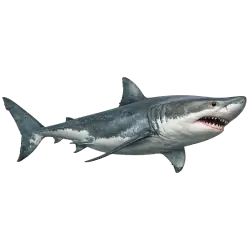
Kartu AnimalDex
Buka kartu hewan ini
Pindai atau tangkap hewan ini dengan AnimalDex untuk membuka kartu koleksi dan menambahkannya ke koleksi satwa liarmu.
Dapatkan AnimalDexNama ilmiah
Carcharodon carcharias
Kategori
Marine fish
Habitat
Coastal seal colonies, offshore fronts, temperate reefs, and productive upwelling waters.
Rarity
Uncommon · 68/100
Native range
Temperate and subtropical oceans worldwide.
Apex Signal
Let presence arrive.
Make the signal sharp enough to shift the room.
Apa yang diajarkannya
Presence can move first, even before the body does.
Coba
In human life, this reminds us that careful observation often makes the next move obvious.
Bukti alam
Great white sharks are large predatory fish with powerful senses, burst speed, and a visible dorsal fin profile.
Gunakan untuk
Tangkapan Great White Shark berperingkat
Belum ada tangkapan komunitas berperingkat untuk spesies ini.
Mengapa Apex Signal?
Alasan di balik Prinsip Hewan ini dan biologi yang mendukungnya.
The great white shark is a large predatory fish built for fast bursts, strong bite force, and long-range sensory detection in temperate and subtropical seas.
Cara mengidentifikasi Great White Shark
- Heavy torpedo-shaped body with grey upperparts and white underside
- Large triangular dorsal fin and crescent tail
- Conical snout and robust jaw profile
Kenapa Great White Shark menarik
- Great whites are iconic examples of high-performance marine predation without social coordination.
- They also illustrate how apex marine fish depend on long maturation and low turnover.
Habitat: Coastal seal colonies, offshore fronts, temperate reefs, and productive upwelling waters.
Native range: Temperate and subtropical oceans worldwide.
nativeRangeCardTitle
nativeRangeCardDescription
nativeRangeMissingAssets
Coastal seal colonies, offshore fronts, temperate reefs, and productive upwelling waters.
To find Great White Shark in the wild, focus on the exact habitat patches that match its body design and daily behavior, not just the broad country where it exists. You usually do better by working one good piece of habitat inside temperate and subtropical oceans worldwide. than by covering too much ground.
- Headlands, reef edges, island colonies, tidal channels, or productive coastal water
- Protected habitat blocks within temperate and subtropical oceans worldwide.
- First light and late afternoon are often best, when animals come out to feed along the edge of water.
- Time your search around tide, wind, and visibility, then focus on feeding lines, reef edges, and known haul-out or nesting spots.
- Choose a viewing point with clean light and water visibility, then watch for repeated surfacing, feeding, or current lines.
Adults have few predators, though orcas can kill them in some regions.
Does not sleep like land mammals; it alternates active swimming with lower-activity periods.
Can live for several decades, with some estimates exceeding 50 years.
Females give birth to live young after internal development; pups are independent at birth.
Females often grow larger than males.
- Uses scent, vibration, and electroreception to locate prey
- Patrols productive marine edges rather than random open ocean space
- Can breach or strike upward during focused attacks
Great White Shark most often symbolizes apex signal in AnimalDex because its real survival behavior repeatedly shows this pattern.
Presence can move first, even before the body does.
Great white sharks are large predatory fish with powerful senses, burst speed, and a visible dorsal fin profile.
- Follow licensed operator rules and avoid any unregulated close-water interaction.
- Do not create noisy or erratic surface movement where sharks are actively investigating.
- Mako shark
- Large tuna fin profile
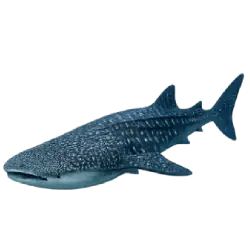
- Bronze whaler in quick view
statsTitle
statsDescription
statsSourceLabel: statsSourceSpeciesProfile
dominanceStat
96
speedStat
72
sizeStat
78
intelligenceStat
48
rarityStat
68%
Total
362
Size scale
Huge
Uses the canonical size stat for consistent placement



US$327 – US$679
Perkiraan rentang nilai
Kepercayaan 69%
Perkiraan nilai AnimalDex dibuat dari stat spesies kanonik.
Not a marketplace listing.
Perkiraan nilai berdasarkan hewan yang teridentifikasi dan konteks harga yang tersedia. Bukan daftar marketplace.
Seberapa langka Great White Shark?
Rarity: Uncommon (68/100)
Great whites are globally distributed but naturally sparse and slow to replace where fishing or bycatch pressure occurs.
Systems Intelligence & Hidden Purpose
Sudut pandang systems biology untuk melihat bagaimana spesies ini dibangun, peran apa yang dijalankannya di ekosistem, dan pelajaran praktis apa yang bisa dipetik manusia.
System Role
The Thermal Pursuit Apex
Great White Shark
Specialized Hardware
Regional endothermy, electroreception, and high-torque swimming design make great white sharks pursuit hardware for powerful marine predation.
Systems Script
They regulate marine food webs by pressuring seals, fish, and other prey species across coastal and pelagic routes. Great whites keep movement honest in the upper tiers of the oceanic system.
Strategic Insight
Top performance is rarely one feature. It is a stack of sensing, power, and timing that works under load.
Public Animal Power
Explore this Animal Power
This is a public capture, so you can explore its Animal Power here. Personal Apex matches and challenges use your Wild Profile and animals you own.
Own an animal with this power to use it in Growth challenges.
Hewan terkait
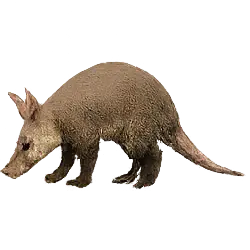
Aardvark
The aardvark is a nocturnal African mammal known for its long snout, strong digging…
Baca panduan spesies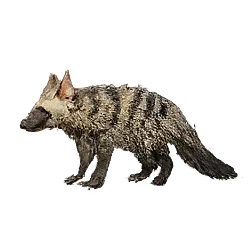
Aardwolf
The aardwolf is a small striped relative of hyenas that feeds mainly on termites rather…
Baca panduan spesies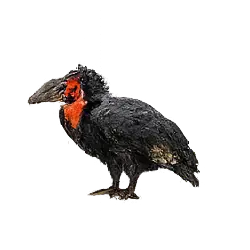
Abyssinian Ground Hornbill
Abyssinian Ground Hornbill is a bird known for bare red facial skin, huge…
Baca panduan spesiesLebih banyak hewan dengan kekuatan Presence
Jelajahi semua hewan PresenceAbyssinian Ground Hornbill
Abyssinian Ground Hornbill is a bird known for bare red facial skin, huge…
Baca panduan spesies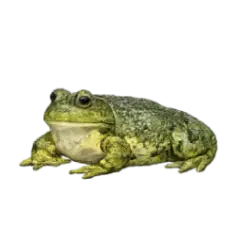
American Bullfrog
The American bullfrog is a large pond and marsh amphibian known for deep calls, strong…
Baca panduan spesies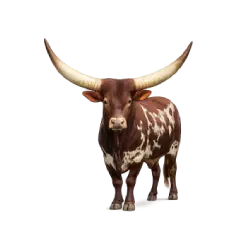
Ankole-Watusi Cattle
Watusi Cattle is the AnimalDex expression of Horned Heat Presence: Let the horns mark…
Baca panduan spesiesBawa ensiklopedia ke dunia nyata
AnimalDex membantumu memindai hewan nyata, mengidentifikasi spesies, mengoleksi kartu, dan belajar dari alam di mana pun kamu berada.
Panduan blog terkait
Lanjutkan belajar lewat artikel praktis yang terhubung dengan spesies ini.
Capture Animals App: Identify, Collect, and Learn About Real Animals
Looking for a capture animals app? AnimalDex lets you scan real animals, identify species, collect discoveries, and build your own real-world animal collection.
Baca artikel blogBiomimicry in Animals: 35 Examples of Nature-Inspired Design
Discover 35 examples of biomimicry in animals, from shark skin and gecko feet to owl wings, elephant trunks, whale fins, spider silk, dolphins, ants, bees, and more.
Baca artikel blogWhat If Every Animal Is a Lesson?
Biomimicry, animal intelligence, symbolism, reincarnation, conservation, and why AnimalDex treats every animal as a living lesson.
Baca artikel blogComparisons terkait
Lihat bagaimana spesies ini tampil di halaman perbandingan AnimalDex yang terstruktur.
Crocodile vs Shark: Who Wins Where Water Meets Shore?
Great white shark has the edge in open ocean. Crocodile becomes more dangerous the closer the matchup gets to shallow water, shoreline bottlenecks, and ambush-heavy edge habitat.
Baca halaman comparisonDolphin vs Shark Intelligence: Which Marine Hunter Is Smarter?
Dolphin is clearly smarter in flexible cognition, communication, and social coordination. Shark remains an elite sensory hunter, but intelligence and predatory efficiency are not the same thing.
Baca halaman comparisonGreat White Shark vs Alligator Snapping Turtle: Which Predator Has the Edge?
Great white shark gets the overwhelming overall edge in any true open-water contest because it is vastly larger, faster, and built for fully aquatic pursuit. Alligator snapping turtle only becomes dangerous in a narrow front-end bite window where the shark makes a major positioning mistake in confined water.
Baca halaman comparisonGreat White Shark vs Bull Shark: Which Predator Has the Better Edge?
Great white shark gets the stronger overall open-water fight verdict because it is larger and more apex-scaled. Bull shark stays dangerous through aggression, thick build, and unusual freshwater-linked flexibility.
Baca halaman comparisonMuncul di tier list
Lihat posisi spesies ini di halaman tier list AnimalDex yang dibangun dengan perbandingan terstruktur dan metodologi yang jelas.
#4 · Bite Force
Animals With the Strongest Bite Force: Top 100 Tier List
Great white uses jaw power as a primary marine kill tool rather than as a side feature.
Baca tier list#6 · Danger
Most Dangerous Animals in the World: Top 250 Tier List
Great white is not the most likely animal to encounter, but the danger profile is still severe once the attack occurs.
Baca tier list#7 · Size
Biggest Animals in the World: Top 250 Tier List
Great white shark ranks as one of the clearest large-bodied predatory fish in AnimalDex.
Baca tier list