
Panduan lapangan hewan
Indo-Pacific Horseshoe Crab
Identifikasi, habitat, rarity, perilaku, simbolisme, fakta, dan pelajaran praktis dari alam.

Kartu AnimalDex
Buka kartu hewan ini
Pindai atau tangkap hewan ini dengan AnimalDex untuk membuka kartu koleksi dan menambahkannya ke koleksi satwa liarmu.
Dapatkan AnimalDexPanduan lapangan hewan
Indo-Pacific Horseshoe Crab
Ancient Resilience Strategy
Endure with Patience.
The Indo-Pacific Horseshoe Crab has survived for millions of years by adapting to changing environments, showcasing the power of resilience and patience.
No captures yet
Native range
Natural range, not this capture location
Native range keys: southeast_asia, south_asia, east_asia. Soft mud and sand in shallow coastal water, mangroves and estuaries, because Unchanged Design suits a life ploughing sediment where competition is thin.
Search near meAnimalDex stats
Dominance
22
Speed
19
Size
12
Intelligence
10
Rarity
37%
Total
100
Size scale
Nama ilmiah
Tachypleus gigas
Kategori
Marine invertebrate
Habitat
Native range keys: southeast_asia, south_asia, east_asia. Soft mud and sand in shallow coastal water, mangroves and estuaries, because Unchanged Design suits a life ploughing sediment where competition is thin.
Rarity
Relatively common · 37/100
Native range
Native range keys: southeast_asia, south_asia, east_asia. Soft mud and sand in shallow coastal water, mangroves and estuaries, because Unchanged Design suits a life ploughing sediment where competition is thin.
Mengapa Ancient Resilience Strategy?
Alasan di balik Prinsip Hewan ini dan biologi yang mendukungnya.
Indo-Pacific Horseshoe Crab teaches Unchanged Design. Its body plan has worked for hundreds of millions of years, and it survives by ploughing soft mud that almost nothing else contests.
Cara mengidentifikasi Indo-Pacific Horseshoe Crab
- Hinged horseshoe-shaped shell with a long rigid tail spine
- Ten legs hidden beneath the shell, used to plough and to feed
- Blue, copper-based blood
- Mass spawning on tidal flats around the highest tides
Kenapa Indo-Pacific Horseshoe Crab menarik
- It is not a crab at all — horseshoe crabs are closer to spiders and scorpions.
- Their blue blood clots around bacterial toxins, and the same reaction is used to test medical equipment for contamination.
- The tail spine is not a weapon; it is a lever for righting an overturned animal.
- They come ashore to spawn in numbers timed to the highest tides.
Habitat: Native range keys: southeast_asia, south_asia, east_asia. Soft mud and sand in shallow coastal water, mangroves and estuaries, because Unchanged Design suits a life ploughing sediment where competition is thin.
Native range: Native range keys: southeast_asia, south_asia, east_asia. Soft mud and sand in shallow coastal water, mangroves and estuaries, because Unchanged Design suits a life ploughing sediment where competition is thin.
nativeRangeCardTitle
nativeRangeCardDescription
Native range keys: southeast_asia, south_asia, east_asia. Soft mud and sand in shallow coastal water, mangroves and estuaries, because Unchanged Design suits a life ploughing sediment where competition is thin.
To find Indo-Pacific Horseshoe Crab in the wild, focus on the exact habitat patches that match its body design and daily behavior, not just the broad country where it exists. You usually do better by working one good piece of habitat inside native range keys: southeast_asia, south_asia, east_asia. Soft mud and sand in shallow coastal water, mangroves and estuaries, because Unchanged Design suits a life ploughing sediment where competition is thin. than by covering too much ground.
- Quiet marsh edges, reedbeds, river bends, or shallow wetland margins
- Headlands, reef edges, island colonies, tidal channels, or productive coastal water
- Protected habitat blocks within native range keys: southeast_asia, south_asia, east_asia. Soft mud and sand in shallow coastal water, mangroves and estuaries, because Unchanged Design suits a life ploughing sediment where competition is thin.
- First light and late afternoon are often best, when animals come out to feed along the edge of water.
- Time your search around tide, wind, and visibility, then focus on feeding lines, reef edges, and known haul-out or nesting spots.
- Choose a viewing point with clean light and water visibility, then watch for repeated surfacing, feeding, or current lines.
Worms, small molluscs and other soft-bodied animals crushed by the leg bases. This diet supports Unchanged Design because it needs no speed, no vision to speak of, and no change.
Sharks, rays, sea turtles and shorebirds taking eggs and juveniles. The shell handles most of it; the real threats now are habitat loss and harvesting.
They move with the tides more than with the sun, ploughing the shallows and burying themselves when the water drops. Their rhythm belongs to the moon.
They are long-lived and slow to mature, taking years to reach breeding age. Unchanged Design deepens because a slow life only works if the design does not need to keep adapting.
Females drag males to the tideline and bury clutches of thousands of eggs in the sand. Offspring fit the principle because larvae hatch already shaped like miniature adults.
Females are noticeably larger; males have modified front claws for holding on during spawning.
- Hinged horseshoe-shaped shell with a long rigid tail spine
- Ten legs hidden beneath the shell, used to plough and to feed
- Blue, copper-based blood
- Mass spawning on tidal flats around the highest tides
Indo-Pacific Horseshoe Crab most often symbolizes ancient resilience strategy in AnimalDex because its real survival behavior repeatedly shows this pattern.
The Indo-Pacific Horseshoe Crab has survived for millions of years by adapting to changing environments, showcasing the power of resilience and patience.
Horseshoe crabs have existed for over 450 million years, enduring through significant environmental changes due to their adaptability and resilience.
- Observe from a respectful distance and avoid changing the animal's behavior.
- Do not block feeding, shelter, nesting, or travel routes.
- Use a live camera capture without handling or staging wildlife.
Hewan terkait

Mangrove Horseshoe Crab
Mangrove Horseshoe Crab teaches Tidal Persistence in soft estuarine mud, a body plan…
Baca panduan spesies
Pacific Mole Crab
Pacific Mole Crabs live in sandy surf zones where waves constantly reshape the ground.…
Baca panduan spesies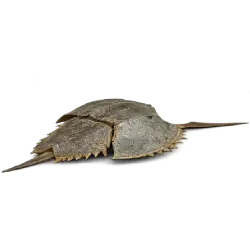
Horseshoe Crab
The horseshoe crab is an ancient marine arthropod known for its helmet-like shell, long…
Baca panduan spesiesLebih banyak hewan dengan kekuatan Resilience
Jelajahi semua hewan Resilience

Bawa ensiklopedia ke dunia nyata
AnimalDex membantumu memindai hewan nyata, mengidentifikasi spesies, mengoleksi kartu, dan belajar dari alam di mana pun kamu berada.