
Panduan lapangan hewan
Jellyfish
Identifikasi, habitat, rarity, perilaku, simbolisme, fakta, dan pelajaran praktis dari alam.
The Keen Survivor. Jellyfish handles daily life with a body and senses shaped for its own world. It teaches that real strength often comes from knowing how to use what you already have.
Nama ilmiah
Scyphozoa and related medusozoans
Kategori
Marine invertebrate
Habitat
Coastal seas, open ocean, bays, estuaries, and nutrient-rich surface waters depending on species.
Rarity
Relatively common · 28/100
Native range
Jellyfish occur worldwide from tropical coasts to cold ocean systems.
Efficiency
Preserve energy for decisive moves.
Apa yang diajarkannya
Lightweight systems can become dominant when the environment does most of the transport for them. Reduce overhead before you add muscle.
Bukti alam
Nematocysts, a gelatinous low-cost body plan, pulsed propulsion, and a simple nerve net allow jellyfish to capture prey with minimal structural expense. Jellyfish convert plankton-rich water into higher trophic energy and can rapidly exploit imbalanced marine conditions. Their blooms often reveal that the surrounding system has become easier to game.
Gunakan untuk
Tangkapan Jellyfish berperingkat
1 tangkapan berperingkat dalam grup ini dari kolektor AnimalDex.
Lenny
@lendawgZoo · Puffy Cotton Candy Jakarta Aquarium · Near SoHo Podomoro City, West Jakarta, Indonesia
Skor 0
Mengapa Efficiency?
Alasan di balik Prinsip Hewan ini dan biologi yang mendukungnya.
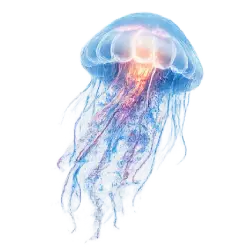
Jellyfish are gelatinous marine drifters that capture prey with stinging cells and can become highly abundant when ocean conditions favor low-cost bloom dynamics.
Cara mengidentifikasi Jellyfish
- Bell-shaped translucent body with trailing oral arms or tentacles
- Rhythmic pulsing movement through the water column
- Often visible as drifting clusters in calm or bloom conditions
Kenapa Jellyfish menarik
- Jellyfish show how simple body plans can still dominate under the right environmental rules.
- Their blooms often reveal broader imbalance in marine systems.
Habitat: Coastal seas, open ocean, bays, estuaries, and nutrient-rich surface waters depending on species.
Native range: Jellyfish occur worldwide from tropical coasts to cold ocean systems.
To find Jellyfish in the wild, focus on the exact habitat patches that match its body design and daily behavior, not just the broad country where it exists. You usually do better by working one good piece of habitat inside jellyfish occur worldwide from tropical coasts to cold ocean systems. than by covering too much ground.
- Headlands, reef edges, island colonies, tidal channels, or productive coastal water
- Protected habitat blocks within jellyfish occur worldwide from tropical coasts to cold ocean systems.
- First light and late afternoon are often best, when animals come out to feed along the edge of water.
- Time your search around tide, wind, and visibility, then focus on feeding lines, reef edges, and known haul-out or nesting spots.
- Choose a viewing point with clean light and water visibility, then watch for repeated surfacing, feeding, or current lines.
Jellyfish eats the foods its body design and habitat make easiest to access. Diet can shift across seasons, life stages, and local competition.
- The most accessible prey or plant foods in its habitat
- Energy-rich foods that match its size and behavior
- Seasonal resources available in the local environment
A practical answer for Jellyfish always depends on what food is actually available in coastal seas, open ocean, bays, estuaries, and nutrient-rich surface waters depending on species..
- Captures plankton and small prey with stinging tentacles
- Rides currents while pulsing enough to adjust depth or direction
- Forms sudden local concentrations under favorable conditions
Jellyfish most often symbolizes efficiency in AnimalDex because its real survival behavior repeatedly shows this pattern.
Lightweight systems can become dominant when the environment does most of the transport for them. Reduce overhead before you add muscle.
Nematocysts, a gelatinous low-cost body plan, pulsed propulsion, and a simple nerve net allow jellyfish to capture prey with minimal structural expense. Jellyfish convert plankton-rich water into higher trophic energy and can rapidly exploit imbalanced marine conditions. Their blooms often reveal that the surrounding system has become easier to game.
- Check local water warnings before swimming in bloom season.
- Do not handle stranded animals because tentacles can still sting.
- Salp chains
- Comb jellies
- Floating plastic debris at distance
0/1 XP toward Level 2
statsTitle
statsDescription
statsSourceLabel: statsSourceSpeciesProfile
dominanceStat
57
speedStat
40
sizeStat
42
intelligenceStat
31
rarityStat
28%
Total
198
Size scale
Large
Uses the canonical size stat for consistent placement



US$135 – US$281
Perkiraan rentang nilai
Kepercayaan 60%
Perkiraan nilai AnimalDex dibuat dari stat spesies kanonik.
Not a marketplace listing.
Perkiraan nilai berdasarkan hewan yang teridentifikasi dan konteks harga yang tersedia. Bukan daftar marketplace.
Seberapa langka Jellyfish?
Rarity: Relatively common (28/100)
Many jellyfish species are common and can bloom rapidly when marine conditions, food availability, and predator pressure align.
Systems Intelligence & Hidden Purpose
Sudut pandang systems biology untuk melihat bagaimana spesies ini dibangun, peran apa yang dijalankannya di ekosistem, dan pelajaran praktis apa yang bisa dipetik manusia.
System Role
The Drift-Based Capture Array
Jellyfish
Specialized Hardware
Nematocysts, a gelatinous low-cost body plan, pulsed propulsion, and a simple nerve net allow jellyfish to capture prey with minimal structural expense.
Systems Script
Jellyfish convert plankton-rich water into higher trophic energy and can rapidly exploit imbalanced marine conditions. Their blooms often reveal that the surrounding system has become easier to game.
Strategic Insight
Lightweight systems can become dominant when the environment does most of the transport for them. Reduce overhead before you add muscle.
Public Animal Power
Explore this Animal Power
This is a public capture, so you can explore its Animal Power here. Personal Apex matches and challenges use your Wild Profile and animals you own.
Own an animal with this power to use it in Growth challenges.
Comparison hearts ready
3 of 3 hearts remaining. Each loss removes 1 heart.
✦ Available actions
Compare this public animal when your deck meets the current rules.
⚡CompareUnavailable›Hewan terkait
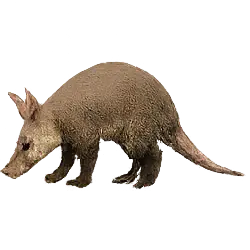
Aardvark
The aardvark is a nocturnal African mammal known for its long snout, strong digging…
Baca panduan spesies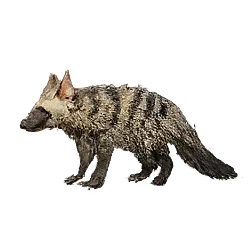
Aardwolf
The aardwolf is a small striped relative of hyenas that feeds mainly on termites rather…
Baca panduan spesies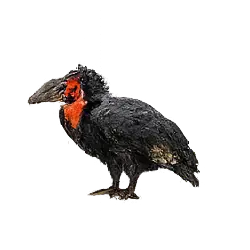
Abyssinian Ground Hornbill
Abyssinian Ground Hornbill is a bird known for bare red facial skin, huge…
Baca panduan spesiesLebih banyak hewan dengan kekuatan Energy Management
Jelajahi semua hewan Energy Management
Burrowing Parrot
Burrowing Parrot is a bird known for cliff-tunneling nest habit, long-distance flock…
Baca panduan spesies
Central American Agouti
Central American Agouti is a mammal known for fast rodent runner, seed-burying forest…
Baca panduan spesies
Coati
Coati is a mammal known for long flexible nose, ringed balancing tail, and social…
Baca panduan spesiesBawa ensiklopedia ke dunia nyata
AnimalDex membantumu memindai hewan nyata, mengidentifikasi spesies, mengoleksi kartu, dan belajar dari alam di mana pun kamu berada.
Panduan blog terkait
Lanjutkan belajar lewat artikel praktis yang terhubung dengan spesies ini.
Jellyfish Symbolism: Drift Intelligence, Soft Power & Ocean Pulse
Explore jellyfish symbolism through drift-based capture, bioluminescence, nerve-net simplicity, and the archetype of lightweight systems that let the environment do the work.
Baca artikel blogWhy Jellyfish Thrive in Changing Oceans
A practical guide to jellyfish behavior, simple but effective survival strategy, ecosystem role, and why jellyfish can flourish when ocean systems shift.
Baca artikel blogMuncul di tier list
Lihat posisi spesies ini di halaman tier list AnimalDex yang dibangun dengan perbandingan terstruktur dan metodologi yang jelas.
#4 · Reputation
Most Reviled Animals in the World: Top 100 Tier List
Jellyfish belongs here because it turns ordinary swimming space into a place people suddenly do not trust.
Baca tier list#8 · Fatality
Deadliest Animals to Humans in the Wild: Top 100 Tier List
Jellyfish earns a slot because dangerous stings can turn ordinary swimming into fatal or near-fatal collapse in some regions.
Baca tier list