
Panduan lapangan hewan
Lionfish
Identifikasi, habitat, rarity, perilaku, simbolisme, fakta, dan pelajaran praktis dari alam.
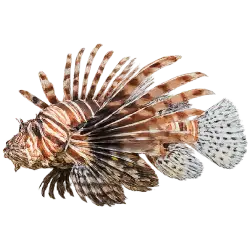
The Fancy Fin Fighter. The Lionfish spreads striped fins like a fan and carries venomous spines that make other animals step back. It reminds us that beauty and danger can sometimes arrive together.
Kartu AnimalDex
Buka kartu hewan ini
Pindai atau tangkap hewan ini dengan AnimalDex untuk membuka kartu koleksi dan menambahkannya ke koleksi satwa liarmu.
Dapatkan AnimalDexNama ilmiah
Pterois volitans
Kategori
Marine fish
Habitat
Coral reefs, rocky bottoms, mangroves, and artificial structures in warm marine water.
Rarity
Relatively common · 34/100
Native range
Indo-Pacific, with invasive populations across the western Atlantic and Caribbean.
Presence
Be seen clearly.
Venomous Fin Display
Apa yang diajarkannya
Beauty becomes power when it makes danger visible before contact.
Coba
You set a clear boundary with a friend before resentment has a chance to build.
Bukti alam
Lionfish display broad fan-like fins and carry venomous spines. Their striking appearance and defensive spines deter many predators while they move slowly through reef habitats.
Gunakan untuk
Tangkapan Lionfish berperingkat
Belum ada tangkapan komunitas berperingkat untuk spesies ini.
Mengapa Presence?
Alasan di balik Prinsip Hewan ini dan biologi yang mendukungnya.
Lionfish are venomous reef predators with ornate fins, patient hovering behavior, and major ecological impact where introduced beyond their native range.
Cara mengidentifikasi Lionfish
- Bold red, brown, and white striping across body and fins
- Long separated venomous fin spines and fanlike pectoral fins
- Hovering stalking posture near reef structure
Kenapa Lionfish menarik
- Lionfish are important examples of how elegant predators can still become destructive invaders.
- Their hunting style is easy to observe compared with many reef fish.
Habitat: Coral reefs, rocky bottoms, mangroves, and artificial structures in warm marine water.
Native range: Indo-Pacific, with invasive populations across the western Atlantic and Caribbean.
nativeRangeCardTitle
nativeRangeCardDescription
Coral reefs, rocky bottoms, mangroves, and artificial structures in warm marine water.
To find Lionfish in the wild, focus on the exact habitat patches that match its body design and daily behavior, not just the broad country where it exists. You usually do better by working one good piece of habitat inside indo-Pacific, with invasive populations across the western Atlantic and Caribbean. than by covering too much ground.
- Quiet marsh edges, reedbeds, river bends, or shallow wetland margins
- Headlands, reef edges, island colonies, tidal channels, or productive coastal water
- Sunlit logs, exposed branches, warm rocks, or regular perch sites used for scanning
- Start early, pick one strong patch of habitat, and stay long enough for movement to return after you arrive.
- Time your search around tide, wind, and visibility, then focus on feeding lines, reef edges, and known haul-out or nesting spots.
- Choose a viewing point with clean light and water visibility, then watch for repeated surfacing, feeding, or current lines.
Small fish, shrimp, crabs, and other crustaceans support Presence because the lionfish often approaches with slow control, using fins and positioning rather than chase speed alone.
Large groupers, sharks, moray eels, humans, and a few specialized predators may threaten lionfish, but many predators avoid their spines. The lesson is deterrence through visible consequence.
Lionfish are often crepuscular or nocturnal hunters, resting in cover and feeding when prey is vulnerable. Their rhythm supports dramatic emergence from shelter into controlled display.
Lionfish can live for many years in the wild or aquariums. A longer life supports Presence because the body’s warning pattern stays useful across repeated predator encounters.
Females can release buoyant egg masses, allowing many offspring to drift with currents. Reproduction supports the lesson because presence does not stay fixed; it spreads through water.
Males and females look broadly similar to casual observers, though size and breeding behavior can differ. The Presence lesson is carried mainly by shared spines, fins, and warning pattern.
- Uses fin displays to corner small reef prey
- Hunts at dusk and night but also hovers openly by day
- Expands quickly in non-native systems with little predation pressure
Lionfish most often symbolizes presence in AnimalDex because its real survival behavior repeatedly shows this pattern.
Beauty becomes power when it makes danger visible before contact.
Lionfish display broad fan-like fins and carry venomous spines. Their striking appearance and defensive spines deter many predators while they move slowly through reef habitats.
- Keep hands clear of spines and never attempt casual handling.
- Learn local guidance because management differs between native and invasive regions.
- Scorpionfish
- Juvenile turkeyfish
- Decorative aquarium releases in shallow areas
statsTitle
statsDescription
statsSourceLabel: statsSourceSpeciesProfile
dominanceStat
66
speedStat
40
sizeStat
18
intelligenceStat
31
rarityStat
34%
Total
189
Size scale
Small
Uses the canonical size stat for consistent placement


US$116 – US$240
Perkiraan rentang nilai
Kepercayaan 69%
Perkiraan nilai AnimalDex dibuat dari stat spesies kanonik.
Not a marketplace listing.
Perkiraan nilai berdasarkan hewan yang teridentifikasi dan konteks harga yang tersedia. Bukan daftar marketplace.
Seberapa langka Lionfish?
Rarity: Relatively common (34/100)
Lionfish are common in suitable habitat and can become overly abundant where native predators and controls are weak.
Systems Intelligence & Hidden Purpose
Sudut pandang systems biology untuk melihat bagaimana spesies ini dibangun, peran apa yang dijalankannya di ekosistem, dan pelajaran praktis apa yang bisa dipetik manusia.
System Role
The Venom-Spined Invader
Lionfish
Specialized Hardware
Venomous fin spines, ambush feeding style, and broad habitat tolerance make lionfish predatory hardware that scales too well in the wrong system.
Systems Script
In native ranges they are one predator among many; in invaded reefs they become a stress test for ecological defenses. Lionfish show how dangerous efficient hardware becomes when checks are missing.
Strategic Insight
Performance without constraints is not excellence. It is often a system failure in disguise.
Public Animal Power
Explore this Animal Power
This is a public capture, so you can explore its Animal Power here. Personal Apex matches and challenges use your Wild Profile and animals you own.
Own an animal with this power to use it in Growth challenges.
Hewan terkait
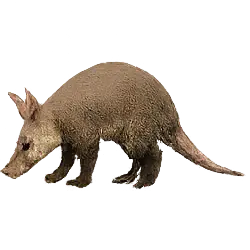
Aardvark
The aardvark is a nocturnal African mammal known for its long snout, strong digging…
Baca panduan spesies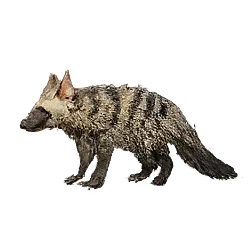
Aardwolf
The aardwolf is a small striped relative of hyenas that feeds mainly on termites rather…
Baca panduan spesies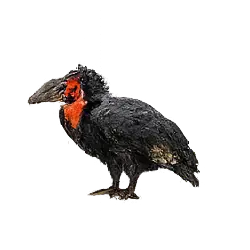
Abyssinian Ground Hornbill
Abyssinian Ground Hornbill is a bird known for bare red facial skin, huge…
Baca panduan spesiesLebih banyak hewan dengan kekuatan Confidence
Jelajahi semua hewan Confidence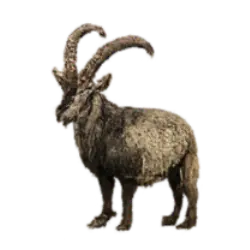
Alpine Ibex
Alpine Ibex is a mammal known for massive curved horns, rock-face climbing power, and…
Baca panduan spesies
Amboina Sailfin Lizard
Amboina Sailfin Lizard teaches Crested Display because its real biology turns…
Baca panduan spesies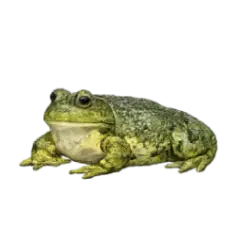
American Bullfrog
The American bullfrog is a large pond and marsh amphibian known for deep calls, strong…
Baca panduan spesiesBawa ensiklopedia ke dunia nyata
AnimalDex membantumu memindai hewan nyata, mengidentifikasi spesies, mengoleksi kartu, dan belajar dari alam di mana pun kamu berada.
Panduan blog terkait
Lanjutkan belajar lewat artikel praktis yang terhubung dengan spesies ini.
Lionfish Symbolism: Invasive Resilience, Venomous Beauty & Adaptive Survival
Explore lionfish symbolism through venomous spines, invasive success, and dangerous beauty.
Baca artikel blogMuncul di tier list
Lihat posisi spesies ini di halaman tier list AnimalDex yang dibangun dengan perbandingan terstruktur dan metodologi yang jelas.
#1 · Invasive
Most Invasive Species in the World: Top 100 Tier List
Lionfish leads because it combines fast establishment, broad prey pressure, and stubborn control problems in invaded reef systems.
Baca tier list#9 · Adaptability
Most Adaptable Animals in the World: Top 100 Tier List
Lionfish deserves a place because invasive success is one harsh proof of biological adaptability.
Baca tier list#10 · Invasive
Largest Introduced and Invasive Animals in the World: Top 100 Tier List
Lionfish closes the list because it is not physically huge, but in marine settings it behaves like a visibly outsized invader relative to reef prey.
Baca tier list