
Panduan lapangan hewan
Meerkat
Identifikasi, habitat, rarity, perilaku, simbolisme, fakta, dan pelajaran praktis dari alam.
Sentry Specialist. Meerkats are experts at teamwork and vigilance. Living in groups called mobs, they take turns standing on their hind legs to watch for predators while others forage for food. Their ability to stand upright and their excellent vision help them spot danger from far away. This cooperative behavior ensures the safety of the group, as the sentry meerkat will alert others with a specific call if a threat is detected. In problem-solving, adopt the meerkat's strategy by assigning roles in a team. Designate someone to keep an eye on potential challenges while others focus on their tasks, ensuring that everyone is protected and informed. This way, you can work efficiently and safely, just like meerkats do in the wild.
Nama ilmiah
Suricata suricatta
Kategori
Mammal
Habitat
Arid grassland, scrub, and semi-desert with burrow-friendly soil.
Rarity
Relatively common · 32/100
Native range
Southern Africa.
Vigilance
Watch the horizon.
Rotating Sentry Duty
Apa yang diajarkannya
The group stays free because someone is willing to watch the horizon.
Coba
You rotate who watches the kids at the beach so everyone gets to relax without losing safety.
Bukti alam
Meerkats live in cooperative groups where individuals often take sentry positions, standing upright to watch for predators while others forage. Alarm calls warn the group of danger.
Gunakan untuk
Tangkapan Meerkat berperingkat
3 tangkapan berperingkat dalam grup ini dari kolektor AnimalDex.
Florian
@flo.jZoo · Zoo Burkart · Near Mundenhof, Freiburg im Breisgau, Baden-Württemberg, Deutschland
Skor 0
Mengapa Vigilance?
Alasan di balik Prinsip Hewan ini dan biologi yang mendukungnya.
Meerkats are small desert mongooses known for upright vigilance, social digging, and cooperative group living in open dry habitats.
Cara mengidentifikasi Meerkat
- Slim sandy body with dark eye patches and banded back
- Frequently stands upright on hind legs while scanning
- Thin pointed face and long tapering tail
Kenapa Meerkat menarik
- Meerkats make cooperative vigilance easy to see even for casual observers.
- They are strong examples of small mammals reducing risk through social structure.
Habitat: Arid grassland, scrub, and semi-desert with burrow-friendly soil.
Native range: Southern Africa.
nativeRangeCardTitle
nativeRangeCardDescription
Arid grassland, scrub, and semi-desert with burrow-friendly soil.
To find Meerkat in the wild, focus on the exact habitat patches that match its body design and daily behavior, not just the broad country where it exists. You usually do better by working one good piece of habitat inside southern Africa. than by covering too much ground.
- Open grassland edges, lightly wooded plains, or raised ground where you can scan long distances
- Water sources, dune bases, rocky wadis, or shaded scrub at first and last light
- Protected habitat blocks within southern Africa.
- Start early, pick one strong patch of habitat, and stay long enough for movement to return after you arrive.
- Use binoculars from a track, ridge, or vehicle stop and scan far ahead before you move closer.
- Slow down and scan shapes, outlines, and eye-level silhouettes; many good sightings come from noticing what does not move.
Insects, scorpions, spiders, lizards, eggs, small mammals, and roots support Vigilance because foragers must look down for food while someone else watches the sky.
Meerkats are diurnal, warming up near burrows before foraging and returning underground to rest. Their rhythm makes watch duty part of every working day.
Meerkats often live around 6 to 10 years in the wild, with longer lives possible under safer care. That span makes repeated roles, learned alarm calls, and group routines central to the Vigilance lesson.
Females usually give birth in underground burrows, and the group helps babysit, feed, and guard the pups. Offspring survival depends on the mob turning watchfulness into shared labor.
Males and females look broadly similar, though dominant breeding animals shape the group’s reproductive structure. The useful difference is less visual than social: who watches, who breeds, who helps, and when.
- Rotates sentry duty while others forage
- Digs for insects, lizards, and small vertebrates
- Uses alarm calls tuned to different threat types
Meerkat most often symbolizes vigilance in AnimalDex because its real survival behavior repeatedly shows this pattern.
The group stays free because someone is willing to watch the horizon.
Meerkats live in cooperative groups where individuals often take sentry positions, standing upright to watch for predators while others forage. Alarm calls warn the group of danger.
- Stay low and still rather than walking directly toward active burrows.
- Do not bait groups for close photography around den entrances.
- Mongoose species
- Ground squirrel at poor angle
- Young mongoose troop members
1/3 XP toward Level 3
statsTitle
statsDescription
statsSourceLabel: statsSourceSpeciesProfile
dominanceStat
46
speedStat
58
sizeStat
27
intelligenceStat
58
rarityStat
32%
Total
221
Size scale
Medium
Uses the canonical size stat for consistent placement


US$133 – US$275
Perkiraan rentang nilai
Kepercayaan 69%
Perkiraan nilai AnimalDex dibuat dari stat spesies kanonik.
Not a marketplace listing.
Perkiraan nilai berdasarkan hewan yang teridentifikasi dan konteks harga yang tersedia. Bukan daftar marketplace.
Seberapa langka Meerkat?
Rarity: Relatively common (32/100)
Meerkats remain locally common in suitable dry habitats, though they are absent where soil, burrow sites, or prey base are poor.
Systems Intelligence & Hidden Purpose
Sudut pandang systems biology untuk melihat bagaimana spesies ini dibangun, peran apa yang dijalankannya di ekosistem, dan pelajaran praktis apa yang bisa dipetik manusia.
System Role
The Cooperative Sentinel Mesh
Meerkat
Specialized Hardware
Upright vigilance posture, coordinated alarm language, and digging-ready limbs make meerkats social detection hardware for open dry ground.
Systems Script
Meerkats reduce predation uncertainty by turning many small mammals into one shared warning network. They prove that survival at small body size depends on information quality as much as escape speed.
Strategic Insight
Small units become formidable when they pool watch duty instead of pretending every member can do everything alone.
Public Animal Power
Explore this Animal Power
This is a public capture, so you can explore its Animal Power here. Personal Apex matches and challenges use your Wild Profile and animals you own.
Own an animal with this power to use it in Growth challenges.
Comparison hearts ready
3 of 3 hearts remaining. Each loss removes 1 heart.
✦ Available actions
Compare this public animal when your deck meets the current rules.
⚡CompareUnavailable›Hewan terkait
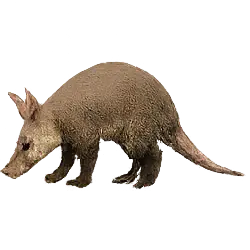
Aardvark
The aardvark is a nocturnal African mammal known for its long snout, strong digging…
Baca panduan spesies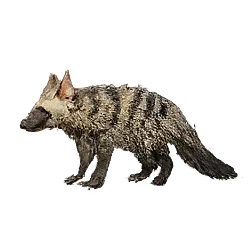
Aardwolf
The aardwolf is a small striped relative of hyenas that feeds mainly on termites rather…
Baca panduan spesies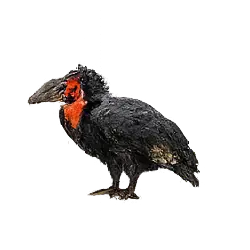
Abyssinian Ground Hornbill
Abyssinian Ground Hornbill is a bird known for bare red facial skin, huge…
Baca panduan spesiesLebih banyak hewan dengan kekuatan Observation
Jelajahi semua hewan Observation
Amazon Milk Frog
Amazon Milk Frog is a amphibian known for big silver-rimmed eyes, banded brown-and-blue…
Baca panduan spesies
American Toad
American Toad carries Warty through specific body design and repeated survival…
Baca panduan spesies
Barred Eagle-Owl
Barred Eagle-Owl teaches Barred Eagle Owl · Canopy Vigilance through its real biology:…
Baca panduan spesiesBawa ensiklopedia ke dunia nyata
AnimalDex membantumu memindai hewan nyata, mengidentifikasi spesies, mengoleksi kartu, dan belajar dari alam di mana pun kamu berada.
Muncul di tier list
Lihat posisi spesies ini di halaman tier list AnimalDex yang dibangun dengan perbandingan terstruktur dan metodologi yang jelas.
#8 · Teamwork
Animals with the Best Teamwork: Top 100 Tier List
Meerkats turn lookout behavior into a clear group survival advantage.
Baca tier list