
Panduan lapangan hewan
Niger Triggerfish
Identifikasi, habitat, rarity, perilaku, simbolisme, fakta, dan pelajaran praktis dari alam.
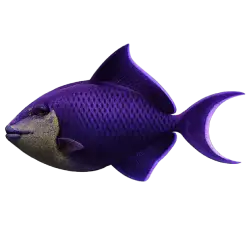
Kartu AnimalDex
Buka kartu hewan ini
Pindai atau tangkap hewan ini dengan AnimalDex untuk membuka kartu koleksi dan menambahkannya ke koleksi satwa liarmu.
Dapatkan AnimalDexPanduan lapangan hewan
Niger Triggerfish
Current Facing
Face the current.
Facing the hard direction is sometimes the least effort, not the most.
No captures yet
Native range
Natural range, not this capture location
Native range keys: indian_ocean, south_pacific, red_sea, coral_triangle. Current-swept outer reef slopes and drop-offs suit Niger Triggerfish because Current Facing only works where there is reliable flow to face into.
Search near meAnimalDex stats
Dominance
44
Speed
49
Size
22
Intelligence
32
Rarity
41%
Total
188
Size scale
Nama ilmiah
Odonus niger
Kategori
Animal
Habitat
Native range keys: indian_ocean, south_pacific, red_sea, coral_triangle. Current-swept outer reef slopes and drop-offs suit Niger Triggerfish because Current Facing only works where there is reliable flow to face into.
Rarity
Relatively common · 41/100
Native range
Native range keys: indian_ocean, south_pacific, red_sea, coral_triangle. Current-swept outer reef slopes and drop-offs suit Niger Triggerfish because Current Facing only works where there is reliable flow to face into.
Mengapa Current Facing?
Alasan di balik Prinsip Hewan ini dan biologi yang mendukungnya.
Niger Triggerfish teaches Current Facing on the outer reef slope, holding position nose-first into moving water where the current does the work of finding food.
Cara mengidentifikasi Niger Triggerfish
- Deep blue to blue-green body that shifts colour with mood and light
- Deeply forked lyre-shaped tail with long trailing tips
- Distinctly red teeth, visible at close range
- A locking dorsal spine used to wedge itself into reef crevices
Kenapa Niger Triggerfish menarik
- The first dorsal spine locks upright and is released by a smaller 'trigger' spine behind it, which is what names the family.
- Once wedged in a crevice with the spine locked, it is extremely difficult to pull out.
- Its teeth are genuinely red, unusual among reef fish.
- It feeds mainly on plankton taken from current, unlike many triggerfishes that crush hard-shelled prey.
- Body colour changes noticeably with mood, from deep blue to almost green.
Habitat: Native range keys: indian_ocean, south_pacific, red_sea, coral_triangle. Current-swept outer reef slopes and drop-offs suit Niger Triggerfish because Current Facing only works where there is reliable flow to face into.
Native range: Native range keys: indian_ocean, south_pacific, red_sea, coral_triangle. Current-swept outer reef slopes and drop-offs suit Niger Triggerfish because Current Facing only works where there is reliable flow to face into.
nativeRangeCardTitle
nativeRangeCardDescription
nativeRangeMissingAssets
Native range keys: indian_ocean, south_pacific, red_sea, coral_triangle. Current-swept outer reef slopes and drop-offs suit Niger Triggerfish because Current Facing only works where there is reliable flow to face into.
To find Niger Triggerfish in the wild, focus on the exact habitat patches that match its body design and daily behavior, not just the broad country where it exists. You usually do better by working one good piece of habitat inside native range keys: indian_ocean, south_pacific, red_sea, coral_triangle. Current-swept outer reef slopes and drop-offs suit Niger Triggerfish because Current Facing only works where there is reliable flow to face into. than by covering too much ground.
- Headlands, reef edges, island colonies, tidal channels, or productive coastal water
- Protected habitat blocks within native range keys: indian_ocean, south_pacific, red_sea, coral_triangle. Current-swept outer reef slopes and drop-offs suit Niger Triggerfish because Current Facing only works where there is reliable flow to face into.
- Start early, pick one strong patch of habitat, and stay long enough for movement to return after you arrive.
- Time your search around tide, wind, and visibility, then focus on feeding lines, reef edges, and known haul-out or nesting spots.
- Move quietly, stop often, and give the habitat time to settle; many mammals and insects show themselves only after the first pause.
Zooplankton and drifting algae taken from moving water, with some benthic invertebrates. This diet supports Current Facing because the food arrives on the current, so the fish's job is to hold position rather than to search.
Reef sharks, large groupers and jacks. Its answer is the crevice and the locking spine: it reverses in, locks up, and becomes effectively immovable.
Niger Triggerfish feed in open water by day and wedge into a reef crevice at night, locking the dorsal spine to hold themselves in place while they rest.
They live for many years, so Current Facing turns into local knowledge — which slope runs when the tide turns, and which crevice is close enough to reach.
They spawn on the reef, and the eggs are laid in and guarded around a nest site on the bottom. Offspring fit the principle because the nest is placed where flow keeps the eggs oxygenated.
Males and females look closely similar, with males often slightly larger and with longer tail filaments. The difference is minor because the species' key behaviour is shared by both.
- Deep blue to blue-green body that shifts colour with mood and light
- Deeply forked lyre-shaped tail with long trailing tips
- Distinctly red teeth, visible at close range
- A locking dorsal spine used to wedge itself into reef crevices
Niger Triggerfish most often symbolizes current facing in AnimalDex because its real survival behavior repeatedly shows this pattern.
Facing the hard direction is sometimes the least effort, not the most.
Niger Triggerfish hangs head-on into current-swept reef slopes, picking plankton out of the flow, and reverses into a crevice and locks itself there when threatened.
- Observe from a respectful distance and avoid changing the animal's behavior.
- Do not block feeding, shelter, nesting, or travel routes.
- Use a live camera capture without handling or staging wildlife.
Hewan terkait
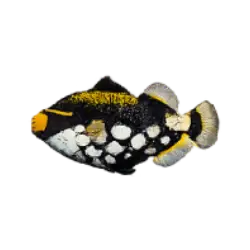
Lebih banyak hewan dengan kekuatan Flow
Jelajahi semua hewan Flow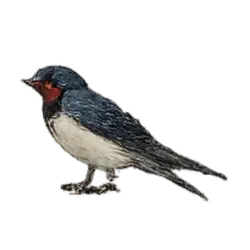
Barn Swallow
Barn swallows are agile aerial insectivores known for forked tails, high-speed turning,…
Baca panduan spesies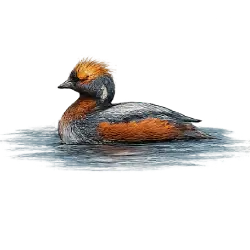
Horned Grebe
Horned Grebe is a bird known for gold hornlike breeding plumes, compact diving body,…
Baca panduan spesies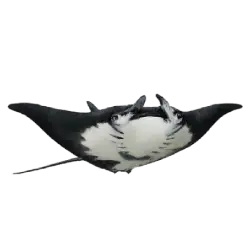
Manta Ray
Manta rays are giant plankton-feeding rays known for broad wing-like pectoral fins,…
Baca panduan spesiesBawa ensiklopedia ke dunia nyata
AnimalDex membantumu memindai hewan nyata, mengidentifikasi spesies, mengoleksi kartu, dan belajar dari alam di mana pun kamu berada.